The Hidden Link Between Workplace Distractions and Employee Productivity

It takes an average of 20 minutes to regain concentration after being distracted. Do you know how much your distraction costs every year? In the age of continuous multitasking, productivity is no longer about how much time employees spend behind their desks, but rather about how effectively they utilize that time during working hours. In this article, we’ll explore the hidden links between workplace distractions and employee productivity.
Why Workplace Distractions Are a Silent Productivity Killer
Distractions in the workplace are like hazard trojans hidden in plain sight. They often go unnoticed until you start to miss deadlines, and the burnout sets in. Does this ring a bell? That’s where employees often start to lag in their performance. According to the research on the costs of interrupted work by UCI, it takes more than 20 minutes to refocus after being distracted. If we multiply that by the number of interruptions per day, the cumulative loss can be astonishing.
Distractions erode deep work, reduce cognitive performance, and productivity. Yet the issue remains unaddressed. Employers invest in tools, training programs, and talent acquisition, but without addressing the root causes of distraction, these investments fail to resolve the conflict.
Types of Distractions That Derail Productivity
Addressing the issues is step one. To maintain productivity amidst distractions, we must understand the types of interruptions we face that can derail our productivity. Let’s dive in:
1. Digital Distractions
Modern problems require modern solutions. But modern workplaces also come with the cost of losing productivity by 40% if you’re not careful. In this hyper-connected digital ecosystem, distractions are the most pervasive threat to productivity. Tools such as Slack, Teams, Zoom, and endless email threads are key to increased productivity. Still, counterintuitively, they’re also the primary cause of constant interruptions due to non-stop pings, pop-ups, and alerts all day.
What begins as a harmless notification can easily derail deep work you’ve been putting in for the last 3 hours. This loop forces the brain to switch contexts multiple times an hour, making it increasingly difficult each time to regain focus.
This is what we call a resumption lag. A cognitive cost of task switching and the time it takes to regain focus after an interruption. Therefore, remember to think twice before hitting that notification. To avoid digital distractions, here are some essential things you can do:
- Turn off non-essential notifications by disabling alerts from social media, non-critical apps, and chat groups you’re not a part of.
- Use ‘Do Not Disturb’ Mode when you want to start deep work.
- Designate specific timings to batch-check emails and messages instead of reacting in real time.
- Use website blockers to stay focused and block access to any unnecessary sites during work.
- Declutter your digital workspace, e.g., limiting your browser tabs and reducing cognitive overload by closing any unused apps in the background.
2. Environmental Distractions
A well-designed workspace can make or break your productivity goals. Environmental distractions, such as noise, clutter, lighting deficiencies, and others, can silently erode your focus and performance. Open office plans, although designed for collaboration, can quickly become a hub of interruptions. These noises raise stress levels and make it increasingly difficult to return to deep work.
Visual clutter is also another overlooked distraction. Messy and disorganized spaces are a primary cause of cognitive overload. Poor lighting, especially in fluorescent or dimly lit setups, can lead to eye strain and headaches, which may cause you to lose self-control at times.
To avoid this, among others, here’s what you can do:
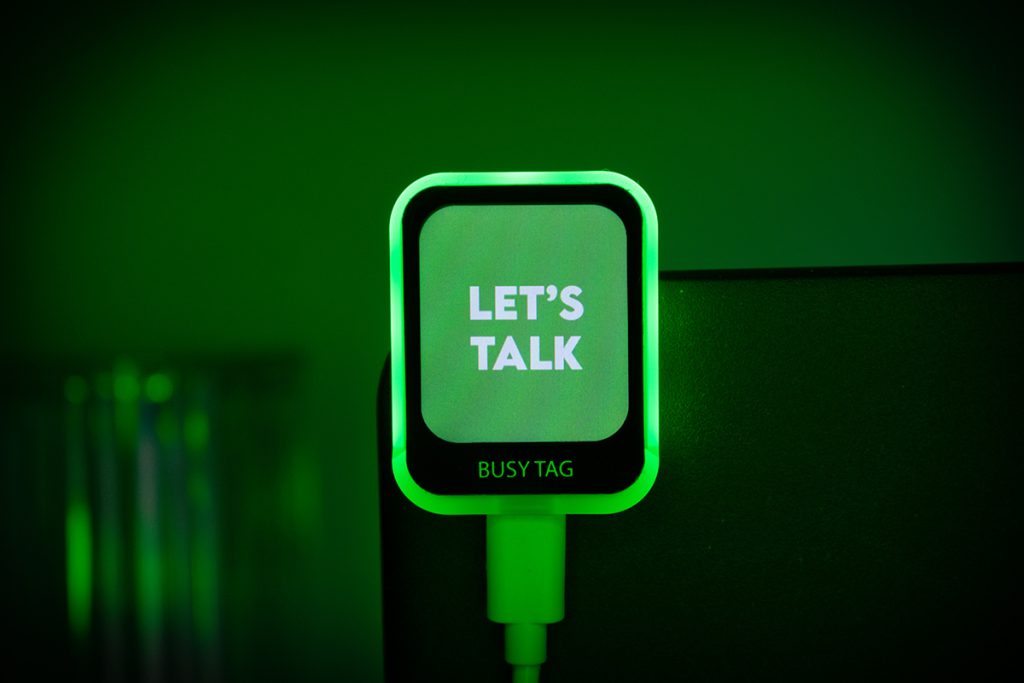
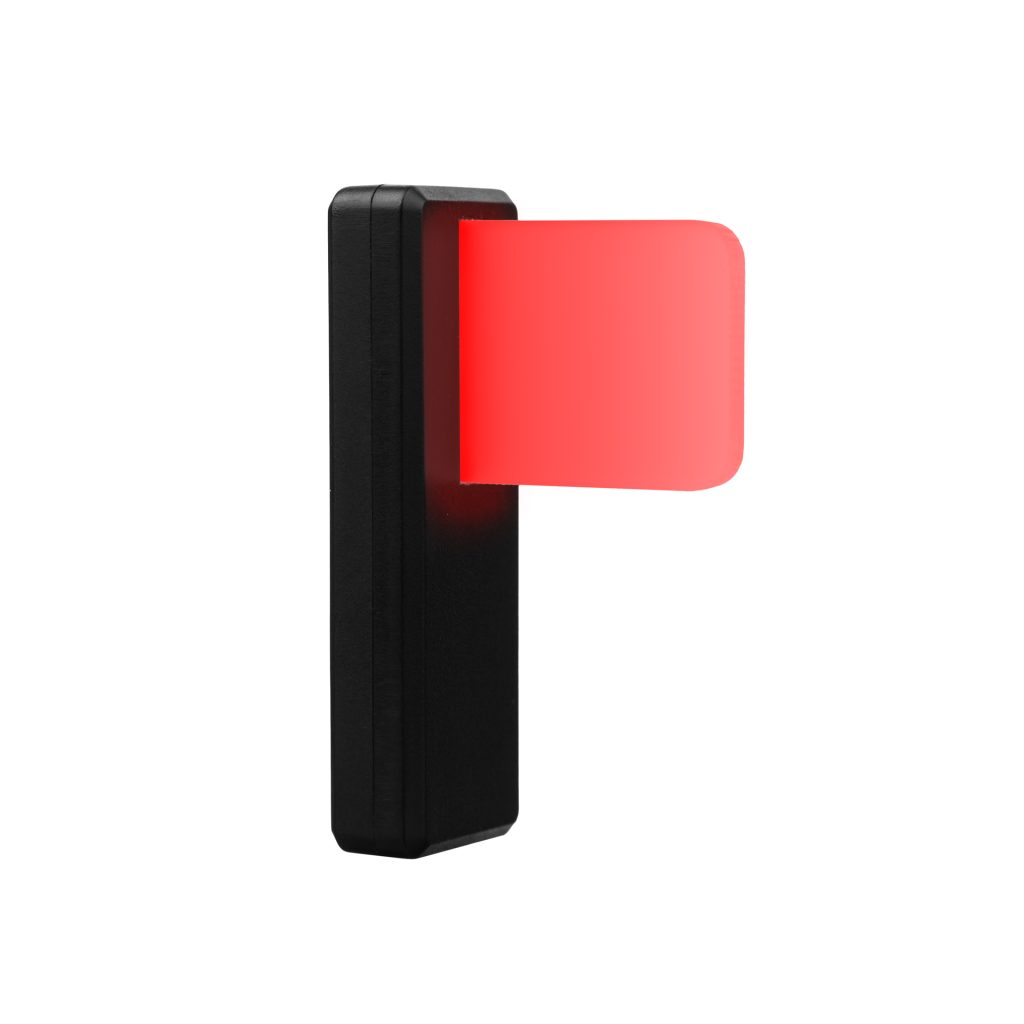
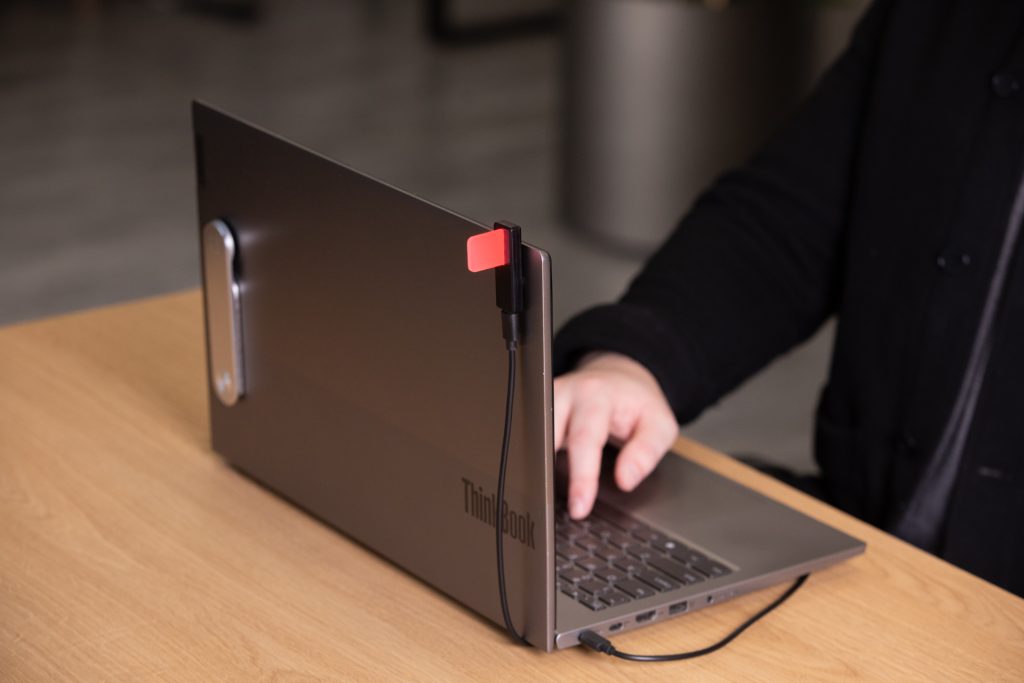
- Use visual signals to indicate when you’re in deep focus mode so others don’t interrupt you. We will explore this further, as we have a fascinating solution to this!
- Invest in good noise-cancelling headphones to block any unwanted background noises outside, especially in an open office or shared spaces.
- Enhance your workspaces so you can only see essential items at your desk. This will help you reduce visual clutter and promote the mental clarity you deserve.
- Optimize your surroundings by using natural light when possible or invest in daylight-balanced bulbs for better energy and focus.
- Create focus zones such as working pods or partitions where you can sit and work without being distracted.
3. Cultural Distractions
While tools and environment are apparent, the most hazardous distractions are often culturally woven into the norms and expectations of the workplace. For example, the “always on” mentality while working. Even when employees aren’t actively working, they often feel pressured to remain available at all times and respond to messages. This constant surveillance prevents psychological detachment, which is the most crucial element in avoiding burnout.
Unclear priorities also wreak havoc! When task briefings are ambiguous and constantly shifting context, employees often leave themselves second-guessing their decisions. This results in unnecessary conflicts like constant task switching, duplicated efforts, and so on.
Micro-management, regardless of its good intentions, can signal a lack of trust. Due to this, employees may hesitate to take initiative themselves because of fear and lose momentum. If you encounter your team lacking evident progress, you must address the root cause of frustration and performance inefficiency.
To mitigate this cultural misalignment, here’s what you can do:
- Set clear boundaries to communicate your working hours and schedule your preferred responses strategically.
- You can use epractical project management tools and 1:1 check-ins to reduce ambiguity and prioritise task collaboration.
- Encourage a workspace centered around outcomes that are managed to shift focus from hours spent online to results delivered. This will also help you significantly reduce micro-managing patterns.
- Implement ‘No meeting’ time blocks where you can allocate your time to focus on deep work hours.
- Promote psychological safety by fostering a culture where employees feel empowered to speak up about distractions, unclear tasks, and burnout signals.
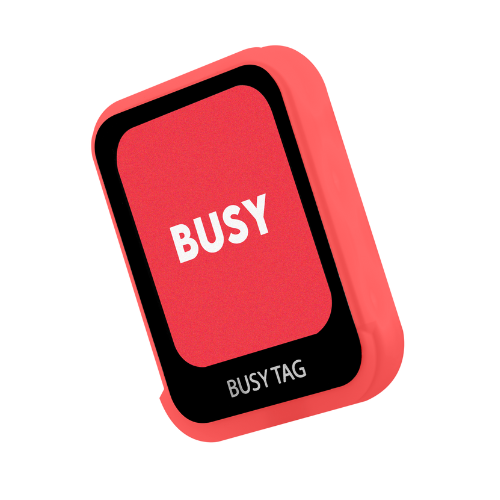
Busy Tag: Stay focused and avoid distractions
How Distractions Impact Teams and Performance
The consequences of unchecked distractions go beyond the individual output. Let’s explore how distractions impact teams and their performance if they go unnoticed:
- Slower Output: Fragmented attention means your projects will take longer to complete, as they often require revisions due to context switching.
- More Mistakes: Cognitive overload increases the risk of making more errors, especially when it’s about deep research on complex topics.
- Increased stress and burnout: Constant context-hopping gets increasingly exhausting. Such stress can lead to depleted mental reserves and can cause severe mental fatigue.
Reduced collaboration is also an aftermath of distractions.
Tools That Help Minimize Distractions in the Workspace
Fortunately, you can find many solutions to distractions within this growing tech ecosystem. Here are a few to help your employees regain control over their time and environment:
Visual Indicators and LED Tools
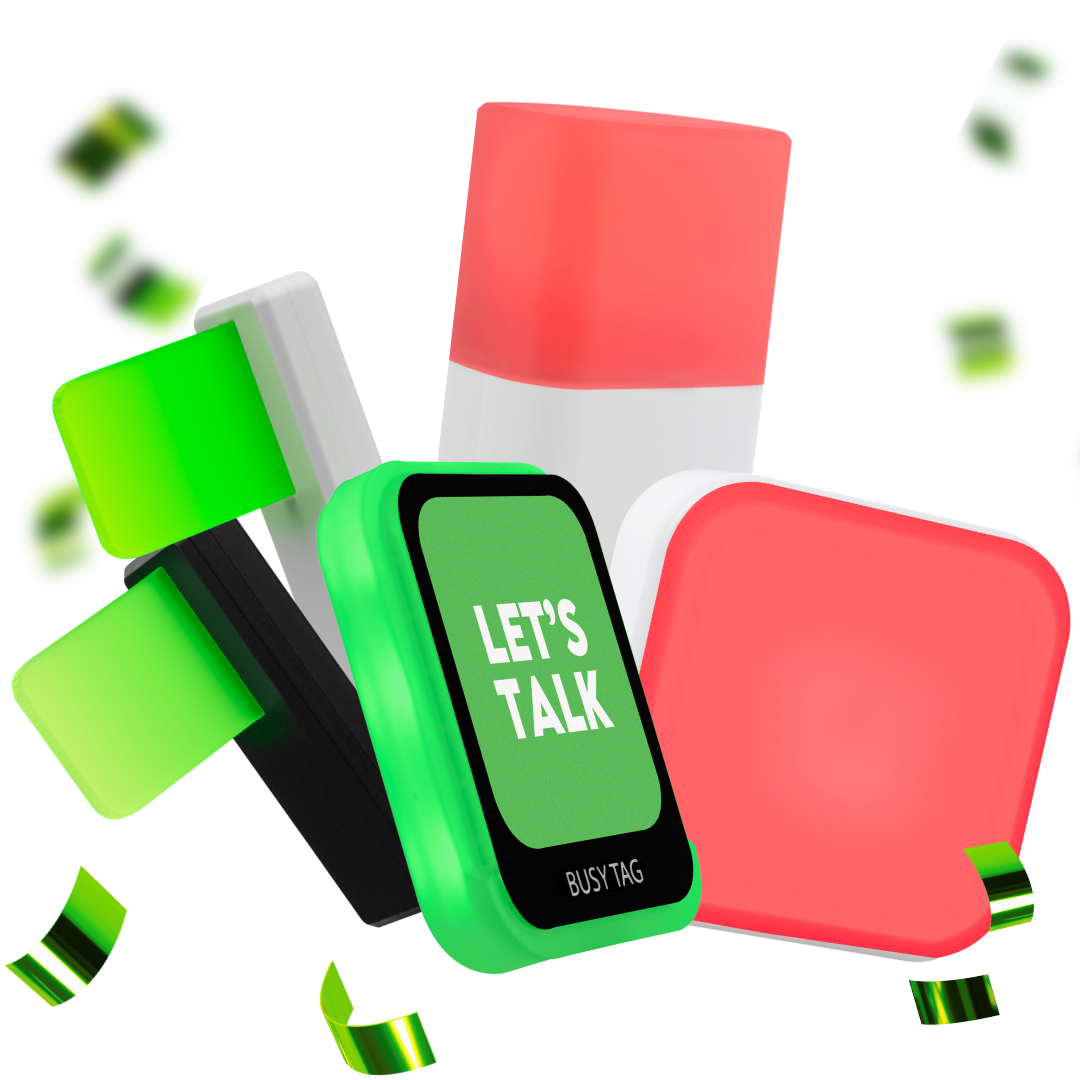
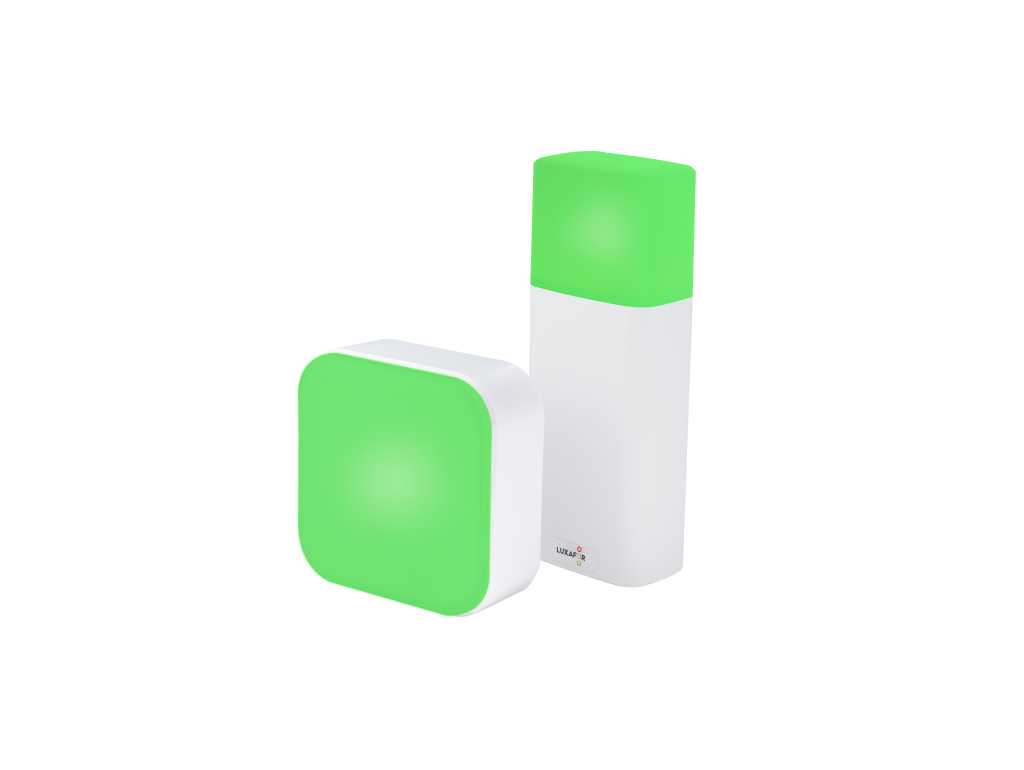
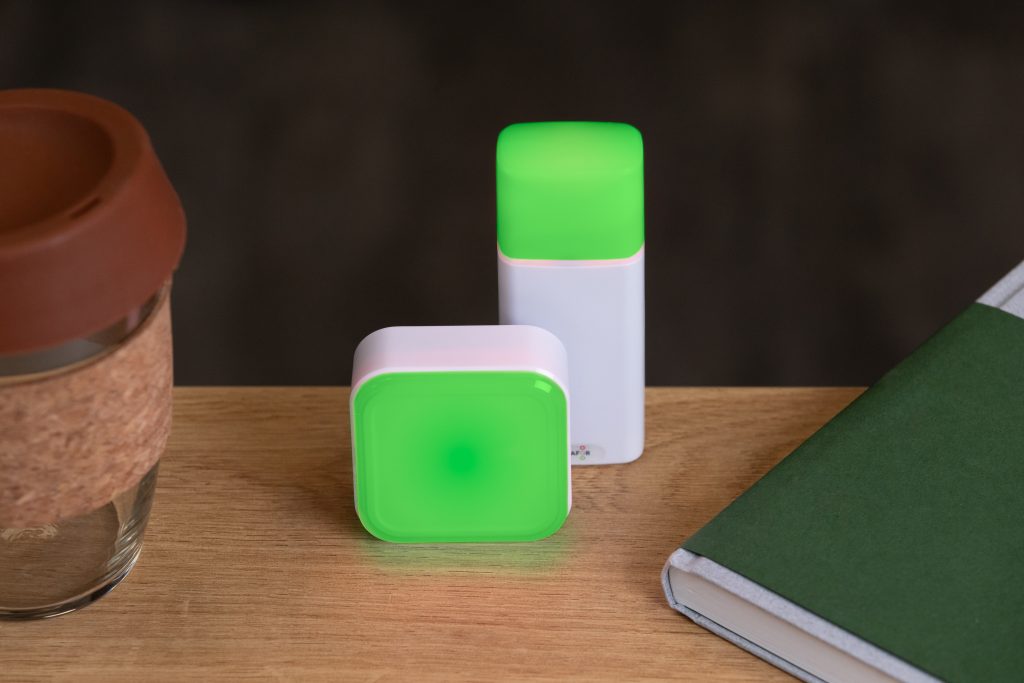
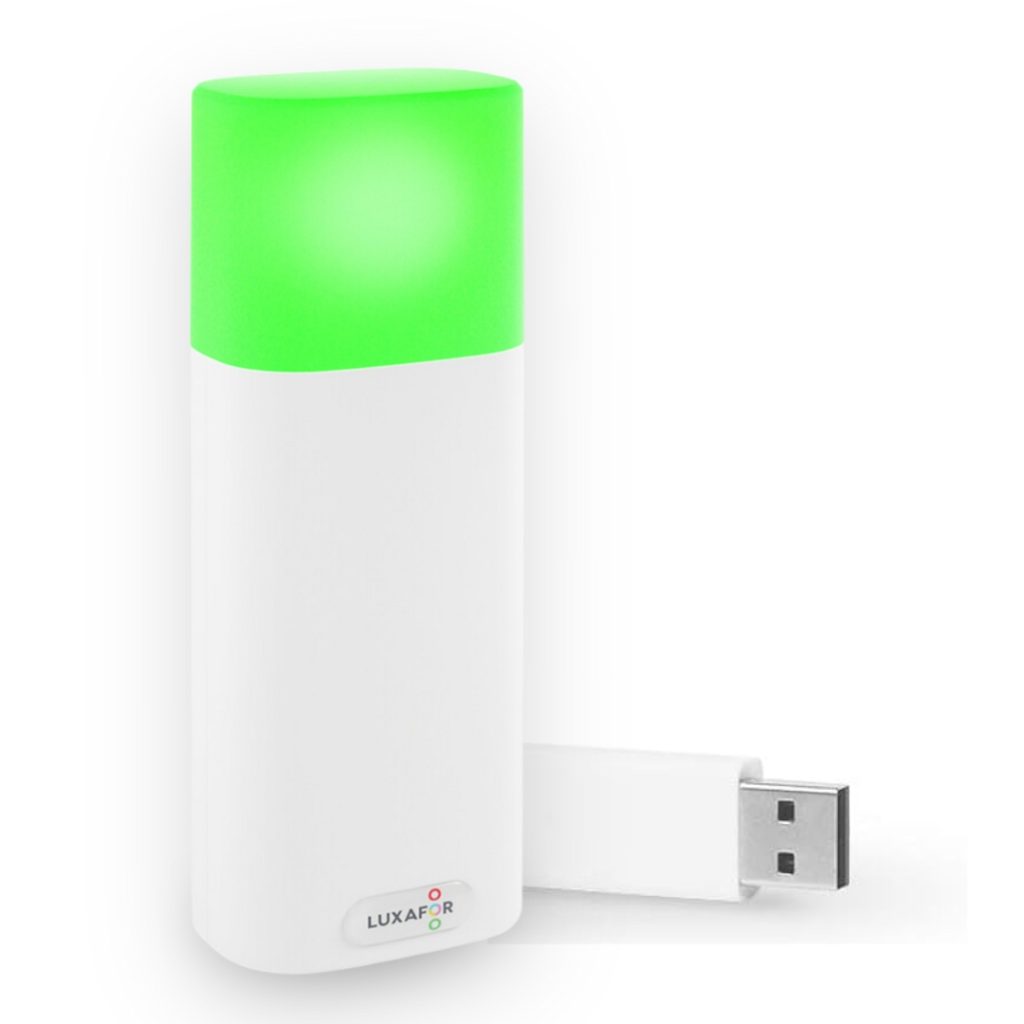
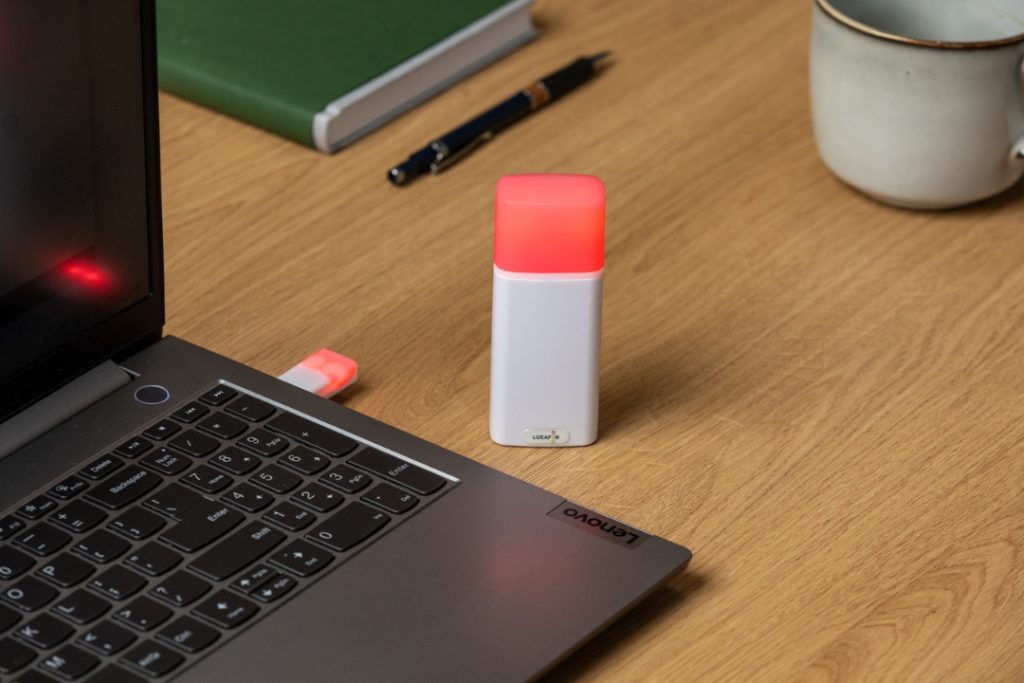
Luxafor’s LED availability flags are a game-changer for holistic workspaces. Whether in-office or remote, a red light indicates ‘do not disturb’, while a green signal indicates availability. These visual indicators are a key to creating a company culture that respects deep work, personal space, and focus when needed.
This simple and effective visual indicator will help you:
- Reduce unwanted interruptions.
- Improve communication norms within teams.
- Empower employees to control their schedule effectively by selective availability.
Time-Blocking and Productivity Timers
Methods like Pomodoro or Timeboxing can significantly boost output by structuring your work schedule into focused sprints. Tools that are effective timers can be designed to bring rhythm and reduce procrastination, and can bring so many strategic benefits, including:
- Improved task completion rate.
- Better mental and physical energy management.
- More precise boundaries between deep work and reactive tasks.
Noise-Cancelling Tech and Environmental Optimization
Whether working from buzzing offices or noisy environments, a practical upgrade makes more sense. Technologies like noise-cancellation and environmental optimization can bring back the time you deserve.
- Noise-canceling headphones filter out all unnecessary distractions, allowing you to focus on your tasks.
- White noise machines are also a great option to mask disruptive external sounds.
- Better lighting solutions will help you reduce fatigue and improve alertness.
Aligning Work Habits with Organizational Culture
While tools help you bring productivity back at work, they’re only effective as the culture they support. Organizations must build a framework where focus is respected at all costs.
Using a Luxafor Flag or Pomodoro timer does help bring productivity, but maintaining it is a different game. To maintain productivity, you must address deeper issues, such as unclear roles, toxic communication, and reactive management, regularly.
It’s more of a behavioral issue that can be addressed using practical tools. While tools support behavior, the company is solely responsible for creating a culture that drives consistency across all quarters.
The Need for Strategic Alignment
Actual productivity occurs when employees clearly understand their priorities and have the autonomy to structure their work as needed. Another hidden link to productivity is to control our survival instincts and feel psychologically safe while actively blocking distractions.
That’s where platforms like Revaluate180 come in. By combining organizational psychology and behavioral analytics, Revaluate180 helps companies create and maintain a high-performing culture that is resilient to all the unwanted distractions.
Provided solutions can go beyond strategic benefits:
- Proprietary insights into team dynamics.
- Early detection of disengagement triggers to mitigate risks before they occur.
- Custom models that prioritize focus, clear communication, support, and performance.
Final Thoughts
Intellectual properties are becoming a new economy in the modern world, and they can only be retained through performance. Since focus is the essential element that drives performance, using it to its full potential is necessary.
By recognizing the multifaceted nature of distractions, leaders can design a work environment that protects focus and optimizes productivity. While innovative tools like Luxafor Flags offer tactical support, strategic partners like Revaluate180 help maintain the long-term cultural change.
LUXAFOR HELPS PEOPLE TO ACHIEVE THEIR GREATEST PRODUCTIVITY LEVELS WITH A WIDE VARIETY OF OFFICE PRODUCTS. LET’S BE PRODUCTIVE TOGETHER!
Show your colleagues when you're busy!
The Hidden Link Between Workplace Distractions and Employee Productivity
Tags
Archives
- March 2026
- January 2026
- December 2025
- November 2025
- October 2025
- September 2025
- August 2025
- July 2025
- June 2025
- May 2025
- February 2025
- January 2025
- December 2024
- November 2024
- October 2024
- September 2024
- August 2024
- July 2024
- June 2024
- May 2024
- April 2024
- March 2024
- February 2024
- January 2024
- December 2023
- November 2023
- October 2023
- September 2023
- August 2023
- July 2023
- June 2023
- May 2023
- April 2023
- March 2023
- February 2023
- January 2023
- December 2022
- November 2022
- October 2022
- September 2022
- August 2022
- July 2022
- June 2022
- May 2022
- April 2022
- March 2022
- February 2022
- January 2022
- December 2021
- November 2021
- October 2021
- September 2021
- August 2021
- July 2021
- June 2021
- May 2021
- April 2021
- March 2021
- February 2021
- January 2021
- December 2020
- November 2020
- October 2020
- September 2020
- August 2020
- July 2020
- June 2020
- May 2020
- April 2020
- March 2020
- December 2019
- November 2019
- October 2019
- September 2019
- August 2019
- July 2019
- April 2019
- March 2019
- January 2019
- December 2018
- November 2018
- October 2018
- September 2018
- August 2018
- July 2018
- June 2018
- August 2017
- May 2017
- April 2017
- February 2017
- January 2017
- November 2016
- October 2016
- September 2016
- August 2016
- July 2016
- June 2016
- May 2016
- April 2016
- March 2016
- February 2016
- January 2016