
Mastering Deep Work: Techniques to Enhance Focus in a Distracted World

Deep work is the ability to focus intensely on cognitively demanding tasks without distractions. In today's fast-paced world, mastering this skill is essential for productivity and creativity.
Techniques like time blocking, eliminating digital distractions, and setting clear goals help maintain deep focus. Creating a dedicated workspace and using tools like noise-canceling headphones further enhance concentration.
Practicing mindfulness and scheduled breaks prevents mental fatigue, ensuring sustained focus. By prioritizing deep work, professionals can improve efficiency, produce high-quality results, and achieve meaningful progress in their careers.
Deep Work Defined: The Key to High-Impact Productivity
Deep work, a concept popularized by Cal Newport, refers to focused, distraction-free concentration on cognitively demanding tasks. In an era of constant digital interruptions, mastering deep work strategies is essential for efficiency and innovation.
Unlike shallow work, which consists of low-value, reactive tasks, deep work fosters creativity and skill development. Professionals who prioritize deep work produce higher-quality results and gain a competitive edge.
By eliminating distractions, setting structured work periods, and leveraging time-blocking techniques, individuals can cultivate deep work habits, ensuring sustained productivity and meaningful progress in their careers.
The Science Behind Focus: Why Deep Work Works
Deep work relies on focus improvement methods rooted in neuroscience and psychology. The flow state, coined by Mihaly Csikszentmihalyi, occurs when individuals engage in highly immersive tasks, enhancing concentration and creativity.
Studies show that context switching—frequent task shifting—reduces cognitive efficiency and increases mental fatigue. Sustained attention activates the prefrontal cortex, improving problem-solving and deep focus.
Optimizing work environments, minimizing distractions, and using structured time management techniques help professionals achieve deep work. By understanding the brain’s mechanisms, individuals can enhance productivity and maintain high-impact focus in a digitally demanding world.
Designing a Deep Work Routine That Sticks
Effective deep work strategies begin with scheduling dedicated focus blocks into your calendar. Identify peak productivity hours and allocate 60-90 minute sessions for uninterrupted work.
Consistency is key—maintaining a regular schedule reinforces concentration and minimizes distractions. Morning or evening deep work sessions should align with personal energy levels for optimal results.
Rituals help signal the start and end of deep work. Begin with a pre-work routine, such as meditation or journaling, and conclude with a reflection period to assess progress. By structuring deep work sessions, professionals can enhance focus, efficiency, and long-term productivity.
Enhancing Concentration with Proven Techniques
Boosting focus requires structured enhancing concentration techniques that minimize distractions and optimize mental clarity. The Pomodoro technique improves attention by breaking work into focused intervals, followed by short breaks to prevent fatigue.
Meditation strengthens cognitive function, reducing stress and enhancing sustained focus. Focus warm-ups, such as breathing exercises or quick mental challenges, prepare the brain for deep work.
Avoiding multitasking and frequent task-switching preserves cognitive energy, ensuring efficiency. By implementing these techniques, professionals can sharpen concentration, improve productivity, and maintain high-performance levels in demanding work environments.
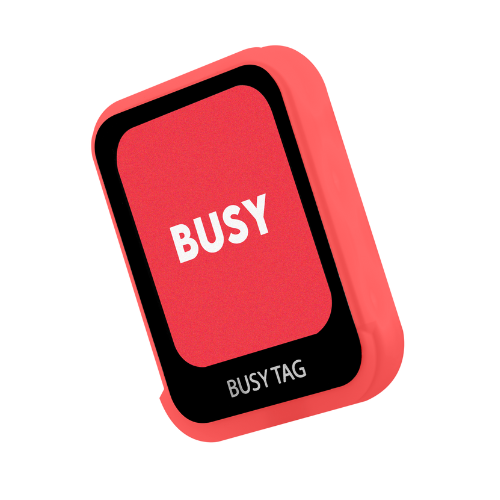
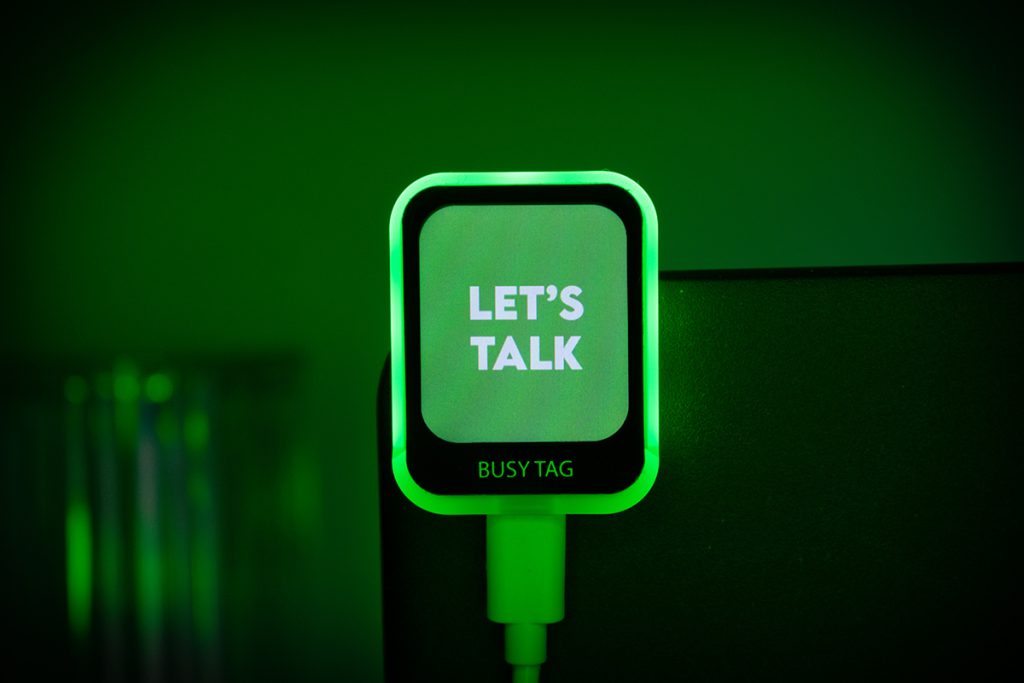
Busy Tag: Stay focused and avoid distractions
Eliminating Distractions at Work: Practical Fixes
Eliminating distractions at work starts with identifying common interruptions. Digital distractions like social media, email notifications, and instant messaging can be minimized by using website blockers and scheduling dedicated response times.
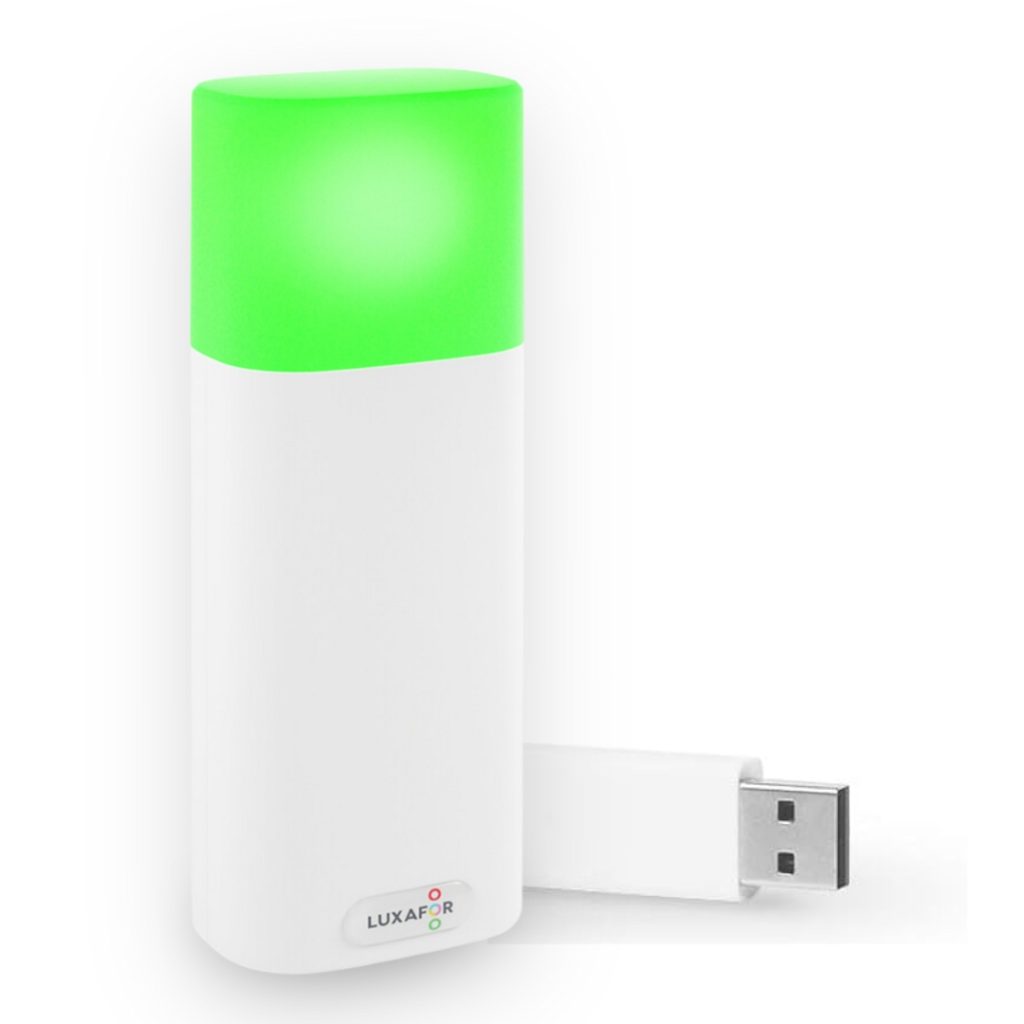
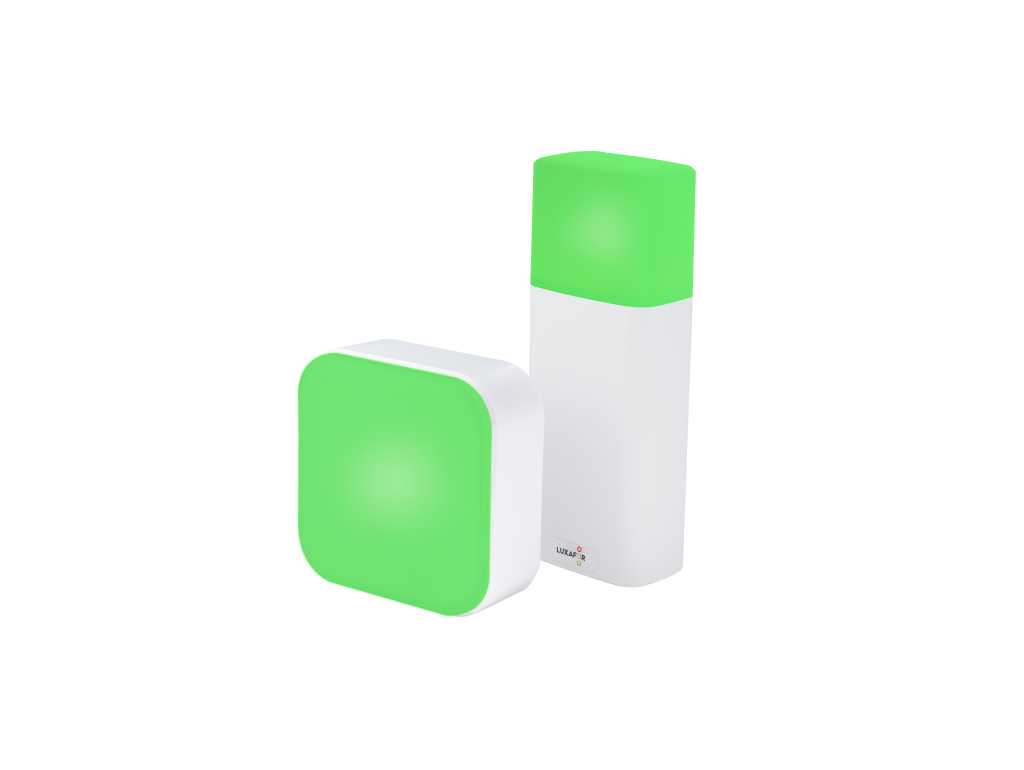
Environmental distractions, such as office noise and clutter, can be reduced with noise-canceling headphones and an organized workspace. Setting boundaries with colleagues and using visual cues like Luxafor flags signal focus time.
Apps like Freedom and RescueTime help track and limit distractions, while browser extensions like StayFocusd enforce productivity. By optimizing digital habits and workspace setup, professionals can maintain deep focus and improve efficiency.
Optimizing Your Workspace for Deep Focus
A well-designed workspace enhances concentration and minimizes distractions. Lighting plays a crucial role—natural light boosts alertness, while adjustable LED fixtures reduce eye strain. Noise control is essential; soundproofing techniques or white noise machines help maintain focus.
Ergonomic furniture, including a comfortable chair and desk, supports posture and prevents fatigue. Visual minimalism, such as decluttering and using calming colors, fosters mental clarity.
Tools like Luxafor lights signal availability, reducing interruptions. Creating a dedicated deep work zone reinforces focus, whether at home or in an office. A structured environment ensures sustained productivity and efficiency.
Leveraging Technology to Support Deep Work
Focus improvement methods rely on digital tools that enhance concentration while minimizing distractions. Distraction blockers like Freedom and Cold Turkey prevent access to time-wasting websites, ensuring uninterrupted deep work sessions.
Ambient noise apps such as Noisli and Focus@Will create soundscapes that improve focus and reduce background distractions. Time trackers like RescueTime analyze work patterns, helping professionals optimize their schedules.
Balancing technology use is crucial—while these tools enhance productivity, excessive reliance on digital solutions can become a distraction. Setting boundaries and using tech mindfully ensures sustained focus and efficiency in deep work environments.
Deep Work for Teams: Creating a Focus-Friendly Culture
Teams thrive when they minimize distractions and prioritize deep work. Asynchronous communication reduces interruptions—using tools like Slack or Notion for updates allows team members to focus without constant notifications. Meeting reduction strategies, such as replacing status meetings with written updates, free up time for high-impact tasks.
Managers can support deep work by implementing focus time policies, ensuring employees have uninterrupted work periods. Team-level deep work examples include shared focus blocks, where everyone works on critical tasks simultaneously. By fostering a focus-friendly culture, organizations enhance productivity, collaboration, and overall work quality.
Measure and Improve: Tracking Your Deep Work Progress
Tracking deep work progress ensures sustained productivity and focus. Using journals or time audits helps professionals monitor focus hours, identify patterns, and refine work habits.
Setting weekly goals for deep work sessions establishes accountability and allows for measurable improvements. Reviewing outcomes helps pinpoint distractions and optimize workflow.
Adjusting routines based on insights ensures consistency. Experimenting with session lengths, peak focus times, and environmental tweaks enhances efficiency. By regularly assessing progress, professionals can refine their deep work strategies, maximize concentration, and achieve long-term success in high-impact tasks.
Show your colleagues when you're busy!
Mastering Deep Work: Techniques to Enhance Focus in a Distracted World




Tags
Archives
- March 2026
- January 2026
- December 2025
- November 2025
- October 2025
- September 2025
- August 2025
- July 2025
- June 2025
- May 2025
- February 2025
- January 2025
- December 2024
- November 2024
- October 2024
- September 2024
- August 2024
- July 2024
- June 2024
- May 2024
- April 2024
- March 2024
- February 2024
- January 2024
- December 2023
- November 2023
- October 2023
- September 2023
- August 2023
- July 2023
- June 2023
- May 2023
- April 2023
- March 2023
- February 2023
- January 2023
- December 2022
- November 2022
- October 2022
- September 2022
- August 2022
- July 2022
- June 2022
- May 2022
- April 2022
- March 2022
- February 2022
- January 2022
- December 2021
- November 2021
- October 2021
- September 2021
- August 2021
- July 2021
- June 2021
- May 2021
- April 2021
- March 2021
- February 2021
- January 2021
- December 2020
- November 2020
- October 2020
- September 2020
- August 2020
- July 2020
- June 2020
- May 2020
- April 2020
- March 2020
- December 2019
- November 2019
- October 2019
- September 2019
- August 2019
- July 2019
- April 2019
- March 2019
- January 2019
- December 2018
- November 2018
- October 2018
- September 2018
- August 2018
- July 2018
- June 2018
- August 2017
- May 2017
- April 2017
- February 2017
- January 2017
- November 2016
- October 2016
- September 2016
- August 2016
- July 2016
- June 2016
- May 2016
- April 2016
- March 2016
- February 2016
- January 2016