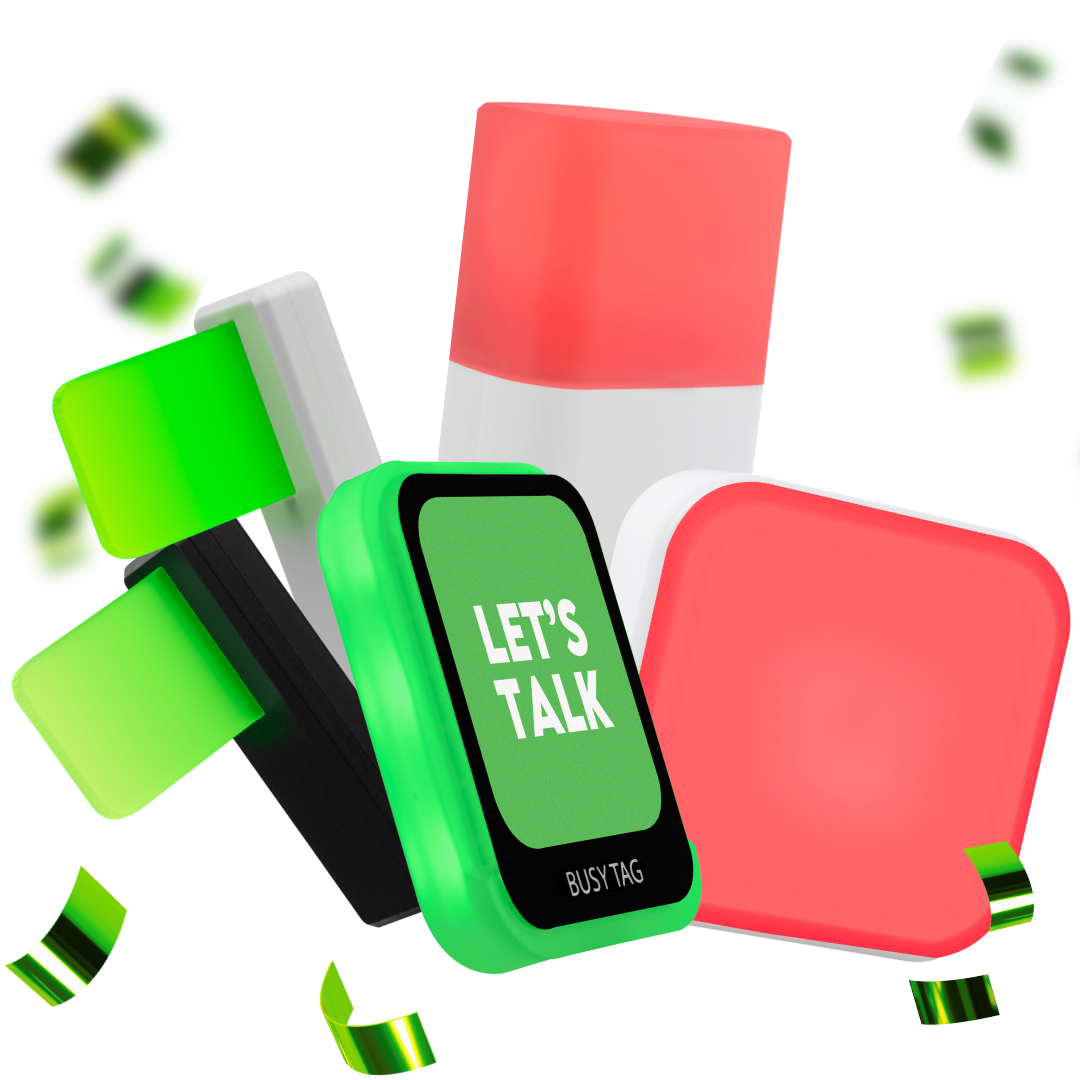
Integrating Luxafor Devices with Popular Collaboration Tools (Slack, MS Teams, Zoom) for Remote Teams

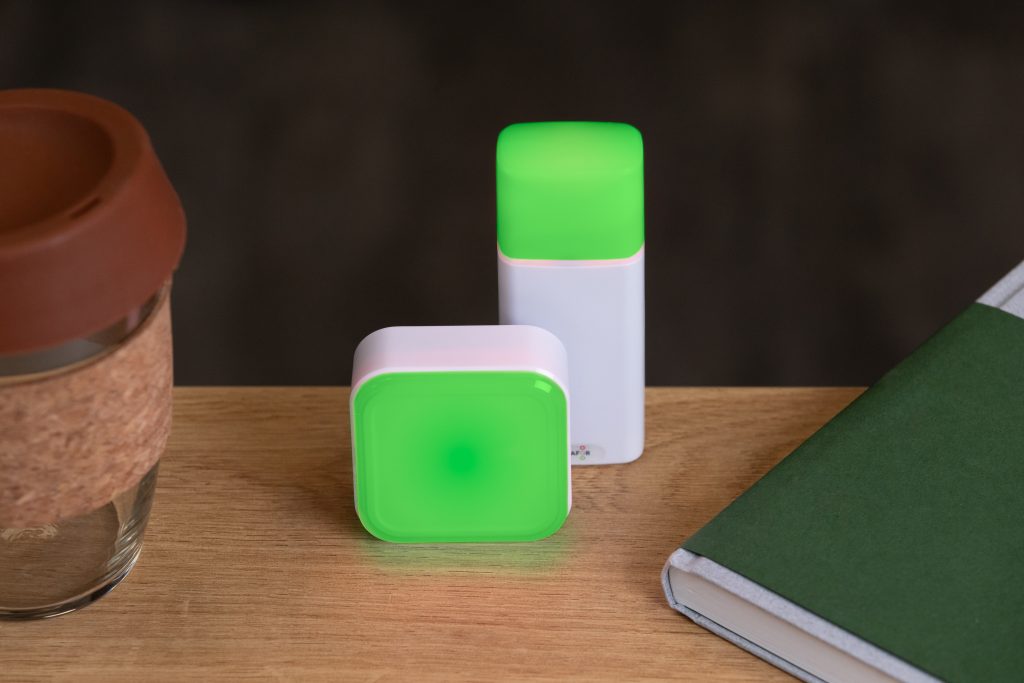
Image from Pexels
Every business benefits from effective teamwork. Collaboration among team members is essential, whether selling flower designs or developing the next smartphone app. But excellent teamwork necessitates excellent communication. According to studies, the quality of communication is significantly more important than the quantity.
In this post, you'll learn how Luxafor integration with applications like Slack, MS Teams, Zoom, and others helps remote teams collaborate and increase productivity. Learn how it may help teams improve communication, streamline processes, boost creativity, and more.
Why Integrating Productivity Devices with Collaboration Tools Matters
Collaboration is the process of working together to achieve a common purpose or goal, and it is more important now than ever. However, developing a workplace that promotes collaboration does not always go as planned. Sometimes teams lack a shared vision or team members don’t understand their roles, which leads to confusion and inefficiency.
Therefore, selecting the correct collaboration apps is vital. Fortunately, business cooperation has progressed beyond the days of never-ending email threads and recurring meetings. Today’s solutions leverage an always-connected network to provide real-time file access and collaboration, making them ideal for distant teams and hybrid work.
Collaboration tools, such as video conferencing, cloud computing software, and, more recently, artificial intelligence, have evolved to boost communication efficiency, productivity, and teamwork.
How Luxafor Works with Slack, Teams, and Zoom
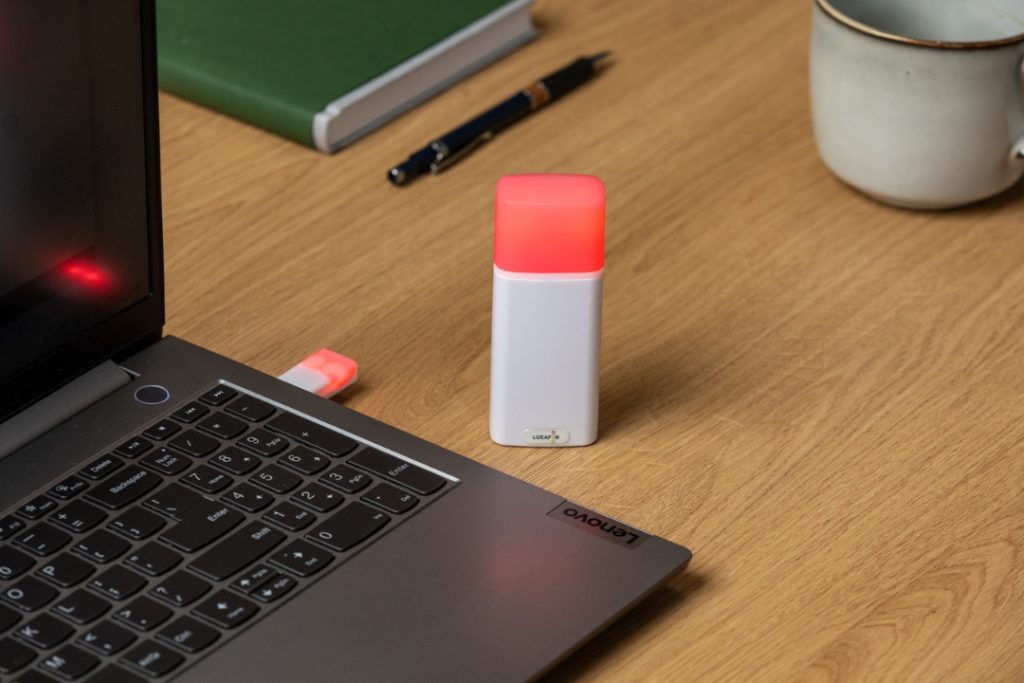
Luxafor gadgets are interfaced with the principal cooperation platforms straight away by representing your digital status in real time. In case your availability status inside Slack, Microsoft Teams, or Zoom changes, the device via Luxafor software, gets that state and turns it into a bright and clear light signal on your table. Your coworkers notice your digital presence, and at the same time, any person in your physical area gets the corresponding light cue right away.
Setting up integrations for each platform
Communication integrations convert communication tools into clear and predictable visual availability status that guard your workflow.
Slack
When you connect Luxafor to your Slack account, you are giving permission to the device to view and change your status. As soon as the connection is live, you can designate colors to different states like Active, Away, and Do Not Disturb. The device updates automatically every time the tool changes your Slack status light, and you can let it function the other way around, pressing the device button can also change your Slack presence. This ensures that your focus periods are the same in both digital and physical workspaces.
Microsoft Teams
Integrating an MS Teams busy light means allowing Luxafor to access the presence signals like Available, Busy, or In a Meeting. You choose which colors indicate each status, and the device does the rest. Since Teams connects status to your Outlook calendar, Luxafor will change the colors to the meeting ones immediately when the meeting starts. This is a great advantage in hybrid office environments, where co-workers depend on both visual signals and platform alerts.
Zoom
Luxafor, along with Zoom productivity tools, can synchronize to the call that is currently taking place, recording, and meeting states. As soon as the connection is made, the device will change color indicating that the call has started, it will reset when the call is over, and it will be able to use a special indicator when recording is on. This not only prevents interruptions during calls but also makes it easy for coworkers to recognize at once that your area is live and not just busy.
Automating Status Changes and Focus Time Notifications
Workflow automation is the point where Luxafor switches from just being a signal light to actually being a part of your workflow system.
Via the Luxafor app, API, or integration with focus notification systems you can do the following:
- Start automatic focus sessions: As soon as a time block or meeting labeled “Deep Work” starts, Luxafor will turn into a red or a custom color for focus.
- Get in sync with productivity apps: Trello, Asana, or Toggl can update status when you start the corresponding task or timer.
- Automate your reminders and transitions: You can make Luxafor glow a certain color to indicate breaks, task changes, or end-of-day routines.
- Set up if-then rules: For instance, turn the light green only if there are no unread messages on Slack and no meetings scheduled to start soon.
The workflow automation of these micro-signals by Luxafor not only helps the user to eliminate the manual overhead of managing their status but also reinforces the boundaries of focus and guarantees that the workflow is consistent even through busy or fragmented days.
Benefits of Visual Signals for Remote Teams
Visual communication refers to the use of images, drawings, and other visual materials to share information and ideas. For various reasons, humans have an innate tendency to prefer visual communication:
Efficiency
Visual availability status accedes to a very effective method for conveying messages. The human brain is naturally predisposed towards interpreting visual stimuli fast and without exertion. Through visuals it is possible to present intricate concepts and stories in a brief and comprehensible manner, sometimes even more clearly than through writing or speaking alone.
Comprehension and retention
Visual aids make comprehension easier and also help to retain the information better. Studies have indicated that people have a better memory of visual materials compared to mere texts. Visual communication plays a role in sorting out the information, pointing out the main ideas, and showing the connections or similarities, which in turn makes it quicker and simpler for our minds to handle and retain the information.
Universal Language
Visual communication is a powerful medium that can easily overcome language barriers. The universal recognition and understanding of some visual elements like symbols, icons, and gestures make it possible for the artist to communicate globally and to different audiences.
Step-by-Step Setup and Best Practices
The process of integrating Luxafor with your communication tools is similar for any platform and follows the same general pattern. The aim is very straightforward: first, you connect your account, then you associate your status with particular light signals, and finally, you allow the device to update itself automatically while you work. The following steps are applicable to Slack, Microsoft Teams, and Zoom, with slight differences based on the permissions of each platform.
Step 1: Install the Luxafor Software
Begin the process by obtaining the Luxafor app officially for your OS. This program will do the managing of Luxafor integration, controlling of devices, and ensuring real-time status updates. Upon completing the installation, plug your Luxafor device into the USB port or turn it on via Bluetooth depending on your model.
Step 2: Open the Integrations Panel
In the Luxafor application, search for the Integrations or Services tab. This is the place where you will see the possibilities to link with external applications such as Slack, Teams, and Zoom. The process for all integrations for remote teams is identical: choose the platform and go through the authorization process.
Step 3: Authorize Your Account
Aftеr sеlеcting a platform, you will nееd to log in with your accоunt. As a matter of fact you opеn thе door for Luxafor to lоok up your status аnd even dо it in some circumstances. Thе purpose оf this facilitаtion is to enable the actual dеvice tо shоw yоur availabilitу indicators cоrrеctlу, namely Active, Busy, Do Not Disturb, or In a Meeting.
The platform will be shown as “Connеcted” in the list of your integrations aftеr the authorizatiоn is done.
Step 4: Assign Colors to Each Status
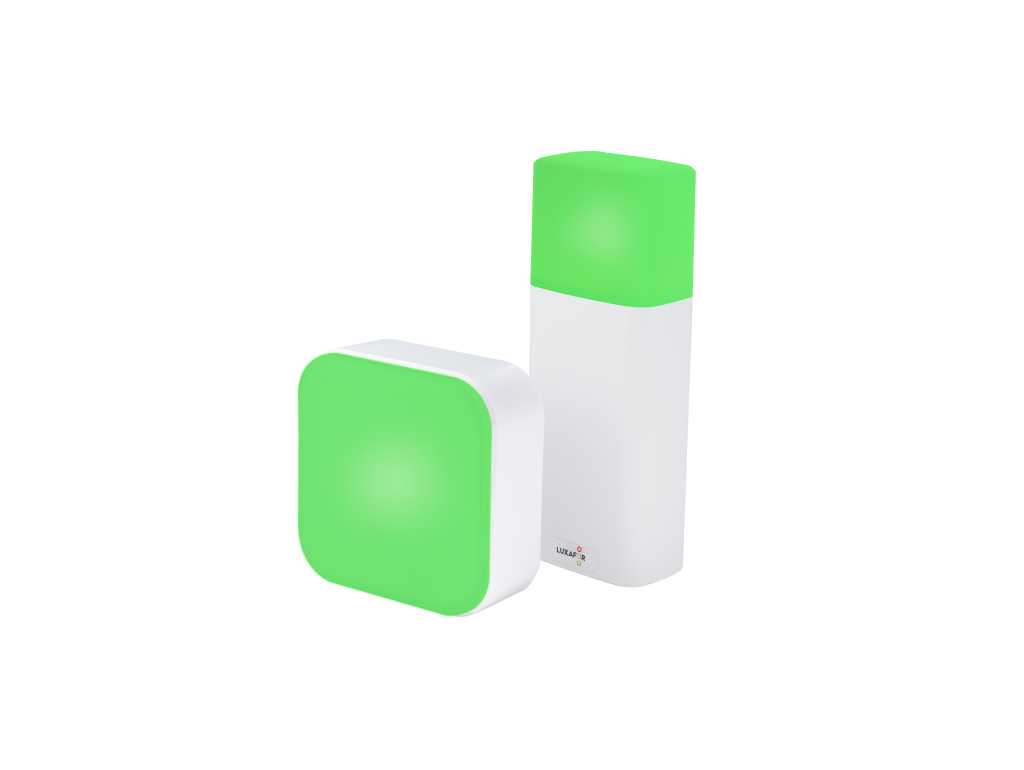
Once you link your account, pick a color that symbolizes every status type. For instance, green for active, red for busy, yellow for away, or blue for in a meeting. These adjustments will be instantly mirrored by the device and it will continue to update as and when your platform status changes.
This stage sets up the visual communication system that colleagues depend on, so go for the colors that are easily understood from a distance.
Step 5: Enable Two-Way Sync (If Available)
There are some platforms where Luxafor can change your software status by pressing the button on the device. When this option is available, you can activate it so changing the light to “Busy” automatically puts your Slack, Teams, or Zoom status to Do Not Disturb.
It saves the manual updating of several places and keeps your workflow the same.
Step 6: Test the Integration
Switch over a basic status like Available to Away inside the platform and check if the Luxafor device reflects the change right away. If the light doesn’t change, double-check the integration and that the app is running in the background.
Summary
The combination of Luxafor with collaboration apps such as Slack, Microsoft Teams, and Zoom forms a single communication ecosystem where your digital presence and your physical place of work are in complete harmony. Coworkers won’t have to rely on assumptions anymore; they will be able to detect your availability, meeting status, or focus, instantly, thereby, minimizing disruptions and improving the cooperation of the team.
Show your colleagues when you're busy!
Integrating Luxafor Devices with Popular Collaboration Tools (Slack, MS Teams, Zoom) for Remote Teams
Tags
Archives
- March 2026
- January 2026
- December 2025
- November 2025
- October 2025
- September 2025
- August 2025
- July 2025
- June 2025
- May 2025
- February 2025
- January 2025
- December 2024
- November 2024
- October 2024
- September 2024
- August 2024
- July 2024
- June 2024
- May 2024
- April 2024
- March 2024
- February 2024
- January 2024
- December 2023
- November 2023
- October 2023
- September 2023
- August 2023
- July 2023
- June 2023
- May 2023
- April 2023
- March 2023
- February 2023
- January 2023
- December 2022
- November 2022
- October 2022
- September 2022
- August 2022
- July 2022
- June 2022
- May 2022
- April 2022
- March 2022
- February 2022
- January 2022
- December 2021
- November 2021
- October 2021
- September 2021
- August 2021
- July 2021
- June 2021
- May 2021
- April 2021
- March 2021
- February 2021
- January 2021
- December 2020
- November 2020
- October 2020
- September 2020
- August 2020
- July 2020
- June 2020
- May 2020
- April 2020
- March 2020
- December 2019
- November 2019
- October 2019
- September 2019
- August 2019
- July 2019
- April 2019
- March 2019
- January 2019
- December 2018
- November 2018
- October 2018
- September 2018
- August 2018
- July 2018
- June 2018
- August 2017
- May 2017
- April 2017
- February 2017
- January 2017
- November 2016
- October 2016
- September 2016
- August 2016
- July 2016
- June 2016
- May 2016
- April 2016
- March 2016
- February 2016
- January 2016