Experiment: 3 Ways to Minimize Interruptions at Work

Did you know that the average person gets interrupted every 3 minutes at work? From coworkers that want to chat, to incoming emails, to Facebook notifications, there’s no shortage of distractions in today’s workplace.
Working in an open office space can be especially distracting, as there’s nothing separating you from everybody else. And we at GreyNut can attest to that. Our open office plan allows for plenty of collaboration and communication, but we’ve all longed for some peace and quiet at some point.
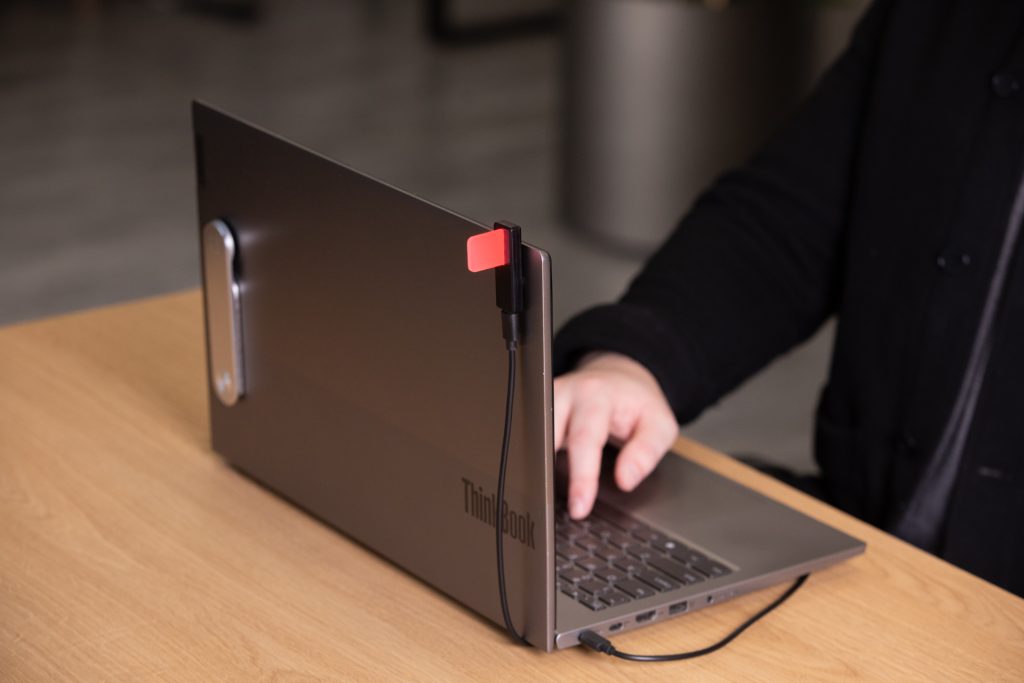
The good news is that there are plenty of tools that can minimize interruptions. Our sister company, MapOn, decided to experiment with 3 of them: headphones, a Luxafor Flag, and a paper “do not disturb” sign. Here are the rules of the experiment:
- 3 programmers (who are busy and prone to interruptions) participated. They were each given one tool to try out.
- The programmers had one month to test the effectiveness of their assigned “do not disturb” indicator and report their findings.
- 20% of their day needed to be kept open for communication and impromptu discussions.
Which method works best? And if you’re wondering how to minimize interruptions at your workplace, what would work for you?
0-10 days into the experiment

Source: Unsplash
So far, so good for every method. The experiment is fresh and everybody in the office respects every “do not disturb” indicator.
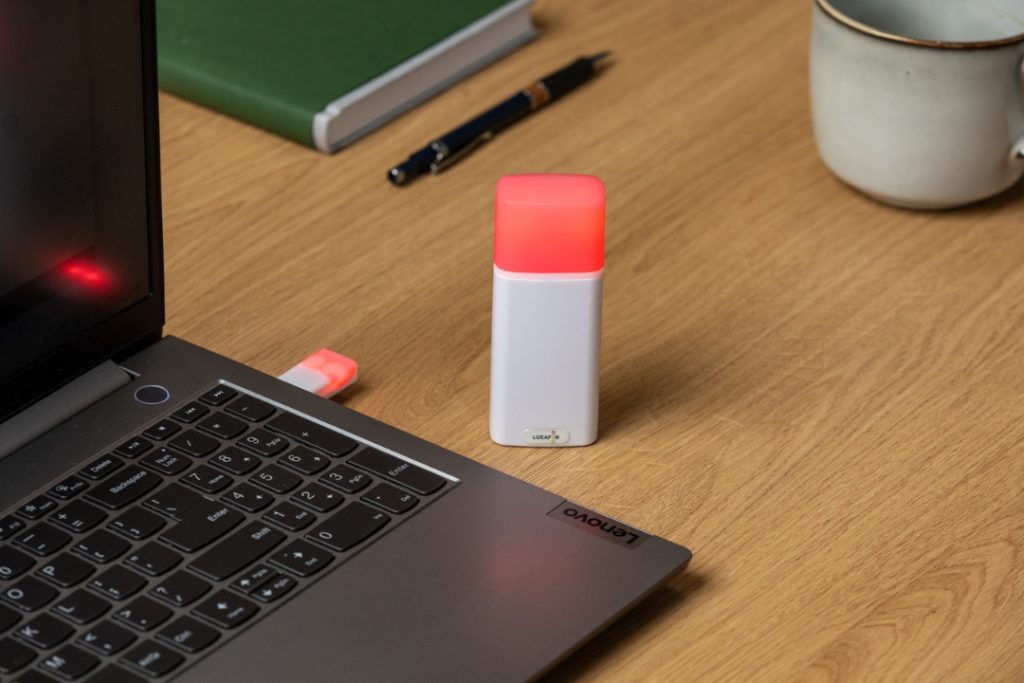
There was even a poster put up about what each Luxafor light means.
The test subjects (programmers) are happy and they report that interruptions have gone down by 75%.
11-20 days into the experiment

Source: Luxafor
Disruptions are slowly increasing all around. About 10% of staff completely ignore each “do not disturb” indicator either because of an urgent need, or they simply don’t care. Everyone else continues to comply.
The programmer with the paper sign finds that it’s easy to forget setting up the sign in the morning. And he doesn’t always notice when it falls down.
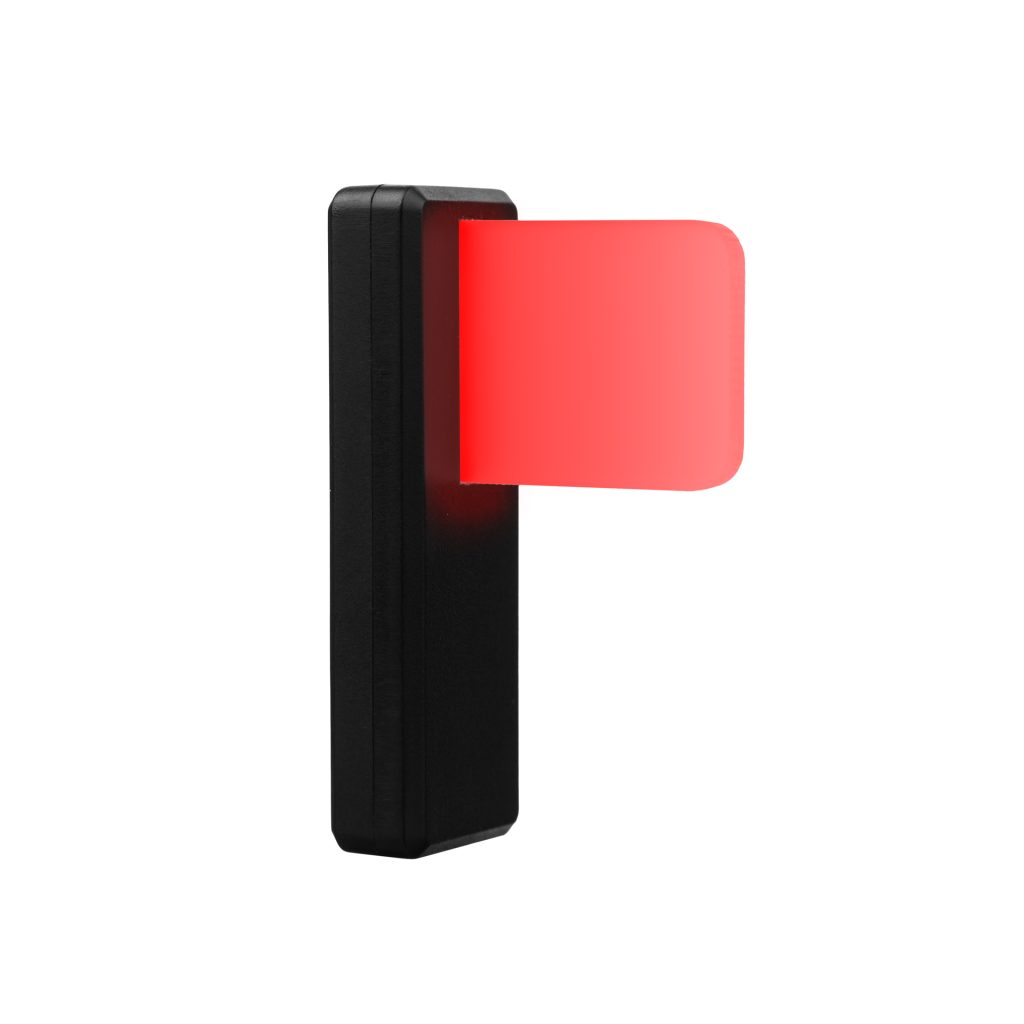
The Luxafor poster is helpful in reminding people to not interrupt when the light is flashing red. There are people that interrupt anyway, but many hold off and remember that the light will turn green later. Since the Luxafor is automated, the programmer doesn’t forget to change from red or green depending on availability.
Headphones are the most effective so far, as everybody can see that the programmer wearing them doesn’t want to be interrupted. With music playing, he also doesn’t hear distractions going on around him.
The only downsides are that the programmer is more isolated from the rest of the group, and he sometimes forgets to put headphones back on after taking them off.
20-30 days into the experiment

Source: Luxafor
The “do not disturb” sign is now pretty much ignored by everybody. It gets dropped on the ground, forgotten about by the programmer, and ignored by everyone else.
The Luxafor and headphones continue to perform the same – interruptions are lower and both methods are easy to use. Since the experiment started, interruptions have gone down by 72%.
Which method works for you?
If you’re looking for ways to focus and avoid interruptions at work, each of the methods we tested has its pros and cons.
A paper sign is free and so long as people remember to actually use it and respect it, it’ll get the job done. The downside is that it’s easy to forget about, and people might not take it seriously.
Headphones are very effective. You can block out noise and coworkers won’t want to bother you when you have them on. The downsides are that a good pair is expensive, being cut off from the rest of the office feels isolating, and it’s easy to forget putting them back on after taking them off.
Plus, listening to music has different effects depending on the person listening and the task being completed. Some might find that music helps them work productively. Others might find it too distracting.
The Luxafor can be automated, so you won’t forget about setting it up. There are, of course, people who will ignore the red light and interrupt you anyway. The Luxafor can adapt to the Pomodoro technique for Mac users, so coworkers know that even if the light is red, they’ll be able to drop by and chat soon enough.
One downside is that it still doesn’t block out the noise and potential distractions around you. But hopefully people will know not to chat with you when they know you need to focus (or you can always wear headphones!).
At the end of the day, it depends on your company culture and the type of work you do. Creative professions might require more open communication and collaboration than data-entry work, for example. We also suggest adopting guidelines, and making sure everyone is on the same page about respecting other’s time and focus.
What do you do to avoid interruptions at work?
Do you want to build and maintain new habits? Get your free PDF version of the Don't Break The Chain calendar and start today!
Do you want to build and maintain new habits? Get your free PDF version of the Don't Break The Chain calendar and start today!
Experiment: 3 Ways to Minimize Interruptions at Work
Tags
Archives
- March 2026
- January 2026
- December 2025
- November 2025
- October 2025
- September 2025
- August 2025
- July 2025
- June 2025
- May 2025
- February 2025
- January 2025
- December 2024
- November 2024
- October 2024
- September 2024
- August 2024
- July 2024
- June 2024
- May 2024
- April 2024
- March 2024
- February 2024
- January 2024
- December 2023
- November 2023
- October 2023
- September 2023
- August 2023
- July 2023
- June 2023
- May 2023
- April 2023
- March 2023
- February 2023
- January 2023
- December 2022
- November 2022
- October 2022
- September 2022
- August 2022
- July 2022
- June 2022
- May 2022
- April 2022
- March 2022
- February 2022
- January 2022
- December 2021
- November 2021
- October 2021
- September 2021
- August 2021
- July 2021
- June 2021
- May 2021
- April 2021
- March 2021
- February 2021
- January 2021
- December 2020
- November 2020
- October 2020
- September 2020
- August 2020
- July 2020
- June 2020
- May 2020
- April 2020
- March 2020
- December 2019
- November 2019
- October 2019
- September 2019
- August 2019
- July 2019
- April 2019
- March 2019
- January 2019
- December 2018
- November 2018
- October 2018
- September 2018
- August 2018
- July 2018
- June 2018
- August 2017
- May 2017
- April 2017
- February 2017
- January 2017
- November 2016
- October 2016
- September 2016
- August 2016
- July 2016
- June 2016
- May 2016
- April 2016
- March 2016
- February 2016
- January 2016