
How Does Air Quality Affect Employee Productivity in the Workplace?
Productivity is one of the most critical metrics for every business to consider. If you can boost productivity, your earnings will almost certainly rise as well. As a result, it’s no surprise that business owners around the world are always looking for new ways to improve productivity and motivate their workers.

Growing productivity can be accomplished by providing more incentives to workers, improving the working environment, streamlining services to save time for employees, and so on. Improving indoor air quality may be another unanticipated way to boost productivity.
According to a recent study published in the American Economic Journal: Applied Economics by a group of researchers from the National University of Singapore, working in toxic environments is bad for development (NUS). Contaminants in the workplace environment may be affecting your workers’ health and slowing your business down.
“We discovered that a sustained increase in PM2.5 [fine particulate matter less than 2.5 micrometers in diameter] of 10 micrograms per cubic meter reduces daily output by 1%, harming firms and workers,” said NUD study lead researcher associate professor Liu Haoming. “The effects are subtle, but they have a major impact,” says the author.
Effect of Indoor Air Quality on Productivity
While the notion that indoor air quality has an effect on business performance may seem odd at first, there is plenty of scientific evidence to back up these claims.
According to several reports from Harvard University and others, employees in workplaces and other spaces with pollutants and chemicals in the air tend to work slower, are less alert, vigilant, and focused than those in better air quality settings.
One of these research, for example, looked at how workers in different environments worked on cognitive tests. Those who took the tests in rooms with better air conditioning and lower levels of contaminants got nearly perfect results, while those who took the tests in spaces designed to look like typical offices and had lower air quality standards made more mistakes.
So, why do employees struggle so much when the indoor air quality is poor?

Health Effects
One theory may be that airborne contaminants have a short- and long-term effect on their health. People who work in greener environments have less headaches and respiratory problems, according to reports.
On the other hand, many people who work in dirty environments with a number of toxic substances in the background are more likely to experience nausea, eye pressure, and other issues.
Employees are less likely to give it their all and work to their maximum capacity while they are in pain or tired, resulting in lower productivity.
Influence of Mood
Bad air quality has far-reaching effects that go beyond physical health. Many that are required to work in offices and workplaces with dirtier conditions and poor air quality, according to research and reports, will develop mental health issues and mood disorders.
Various contaminants and pollutants in the air can increase tension, decrease concentration, and make people feel sluggish and unfocused. As a result, they may be less focused on their employment and operate in a less positive environment, which may have negative effects for the whole company.
Suggestions for Improving Indoor Air Quality
Indoor air quality clearly has a true, observable effect on employees, both physically and emotionally. This can have a number of consequences for a company, as dissatisfied and motivated workers are less likely to give their all, resulting in lower earnings, less energetic staff, and less appeal for talented recruits.
This is why it’s important for business owners to focus on protecting their indoor air quality and improving conditions for all employees, which can be accomplished in a number of ways.
Conducting tests and actually checking the air quality to identify pollutants and begin eliminating them is one of the most successful methods. You’ll be able to find out what you’re up against by taking tests and then changing the conditions in your workspaces with the right cleaning items and air filters.
A thorough cleaning, for example, may be needed for mold and extreme dust issues, and your office may need more fans, open windows, and even plants to release oxygen into the air and improve the quality for everyone.
The most important thing to keep in mind is to act quickly and avoid allowing poor air quality to ruin your company.

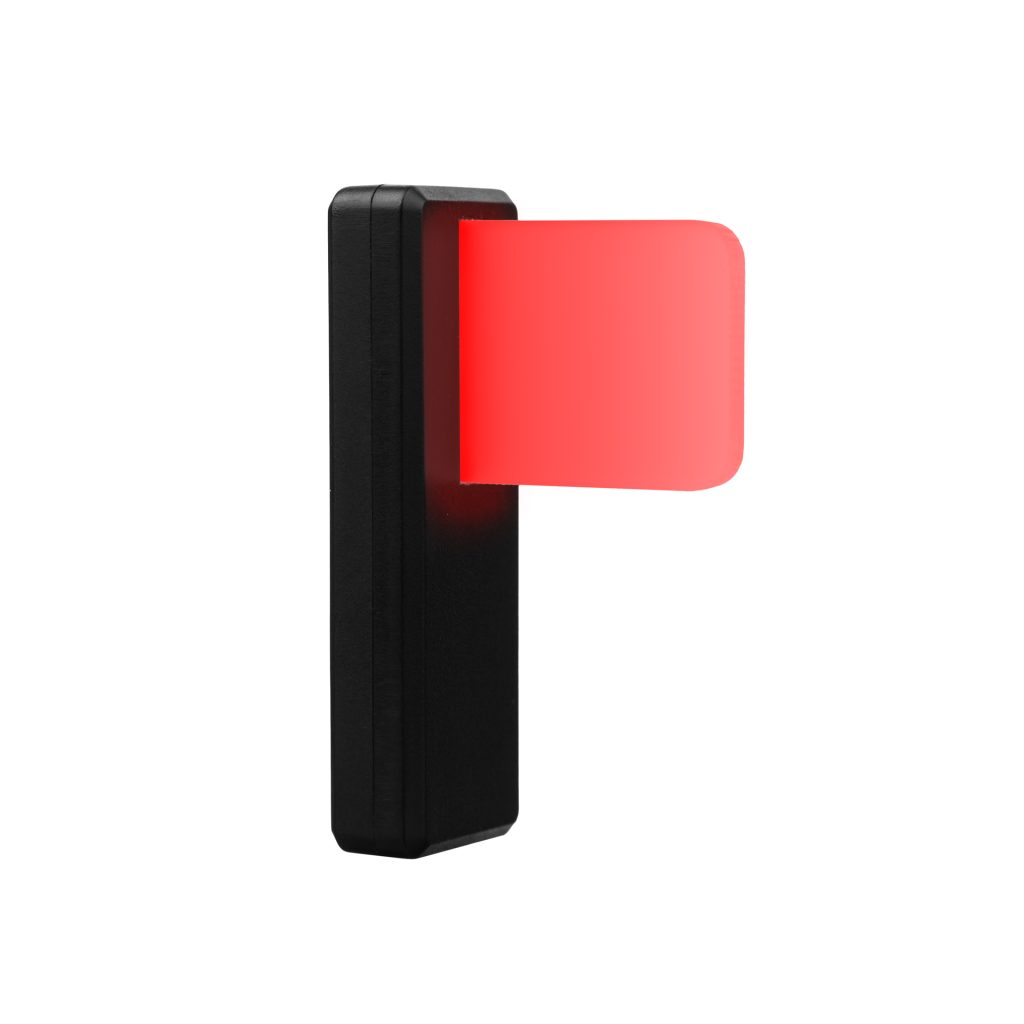
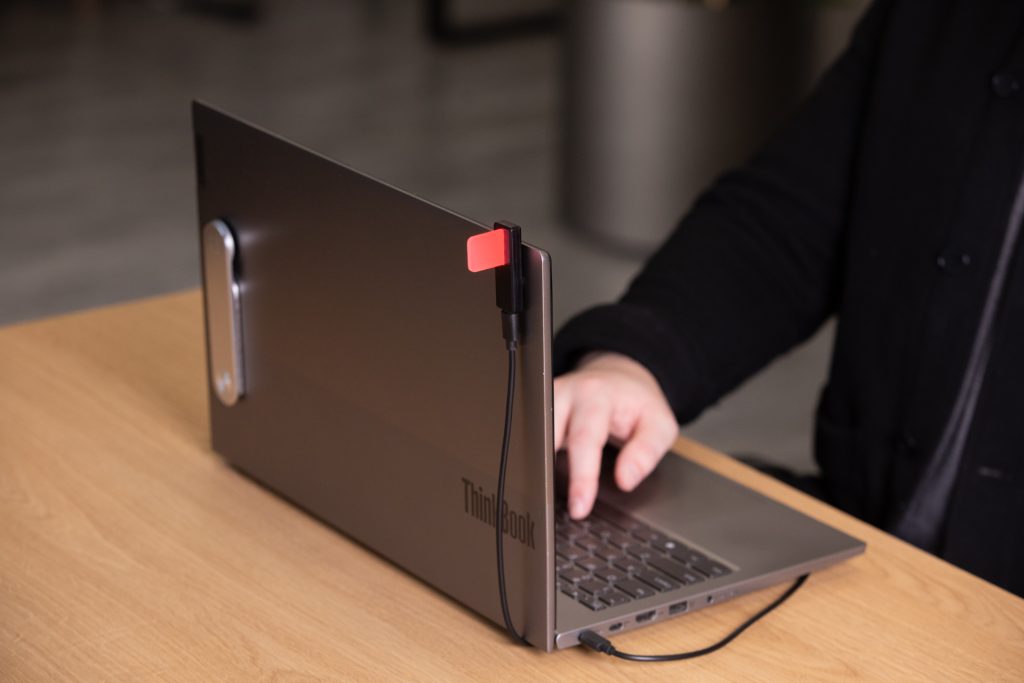
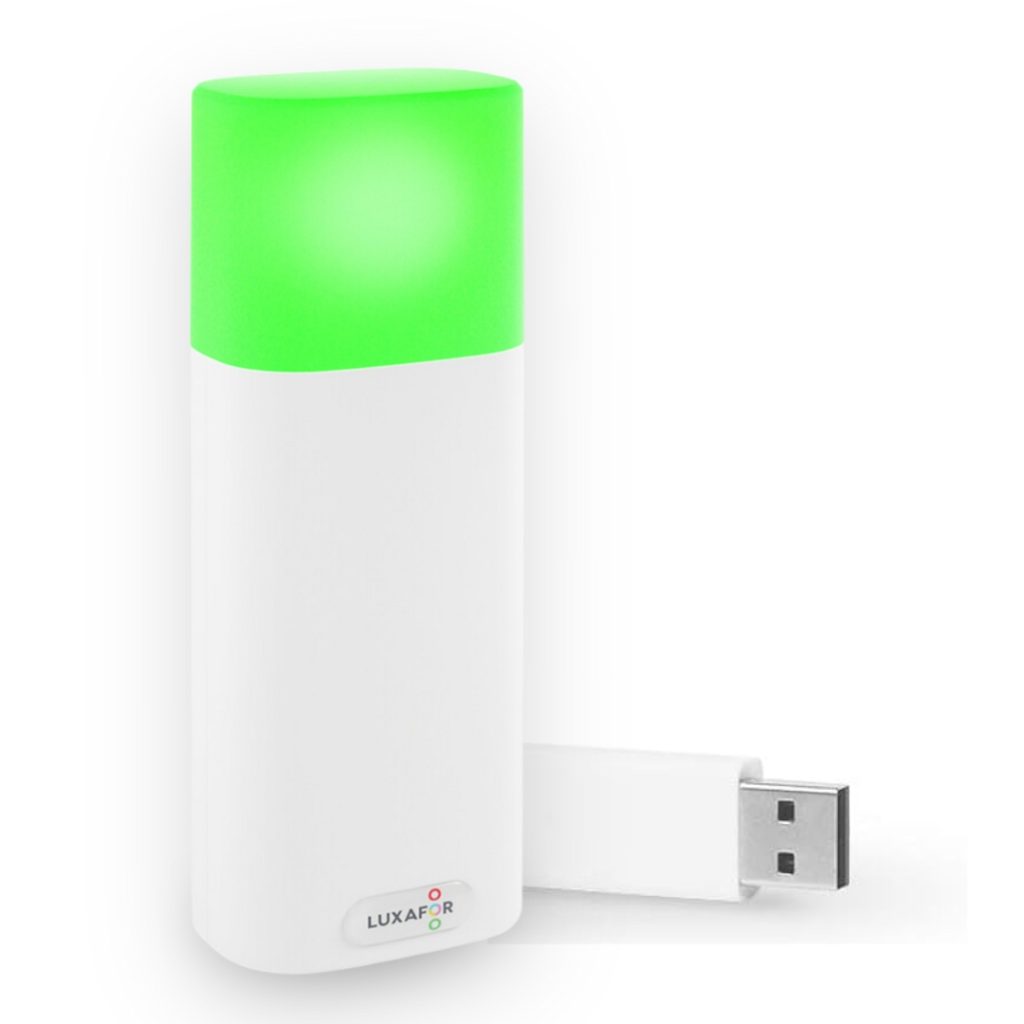
It’s tiny and functional, it’s wireless and portable, and it’s capable of a lot. Luxafor CO2 Monitor is an environment monitor that measures the office microclimate – humidity, CO2, temperature, noise and lighting – relevant to productive work. The e-ink display shows what should be improved to achieve the perfect environmental conditions in your workplace for better health and higher productivity. Besides its powerful sensor of detecting CO2 and temperature that are typical features of any other CO2 meters out there, it gives you noise and lighting levels of an individual workspace to understand the other very important factors that influence our productivity at work.
This comparatively weightless device is a solid choice for offices who want to increase the long-term productivity of the team, as healthy workers are proven to be more productive in a healthy environment, which leads to a better work ethic and higher quality of life. We’re not just saying this because we created it. It’s because we created it to be the most optimal way how to measure and improve the indoor air quality and most important environmental conditions in your office.
Do you want to build and maintain new habits? Get your free PDF version of the Don't Break The Chain calendar and start today!
Do you want to build and maintain new habits? Get your free PDF version of the Don't Break The Chain calendar and start today!
Author's Bio
Chris Delgado is a renowned author, who is learning psychology. He loves reading and spending time writing. Apart from writing, he loves trekking and enjoys yoga sessions.
How Does Air Quality Affect Employee Productivity in the Workplace?

Tags
Archives
- March 2026
- January 2026
- December 2025
- November 2025
- October 2025
- September 2025
- August 2025
- July 2025
- June 2025
- May 2025
- February 2025
- January 2025
- December 2024
- November 2024
- October 2024
- September 2024
- August 2024
- July 2024
- June 2024
- May 2024
- April 2024
- March 2024
- February 2024
- January 2024
- December 2023
- November 2023
- October 2023
- September 2023
- August 2023
- July 2023
- June 2023
- May 2023
- April 2023
- March 2023
- February 2023
- January 2023
- December 2022
- November 2022
- October 2022
- September 2022
- August 2022
- July 2022
- June 2022
- May 2022
- April 2022
- March 2022
- February 2022
- January 2022
- December 2021
- November 2021
- October 2021
- September 2021
- August 2021
- July 2021
- June 2021
- May 2021
- April 2021
- March 2021
- February 2021
- January 2021
- December 2020
- November 2020
- October 2020
- September 2020
- August 2020
- July 2020
- June 2020
- May 2020
- April 2020
- March 2020
- December 2019
- November 2019
- October 2019
- September 2019
- August 2019
- July 2019
- April 2019
- March 2019
- January 2019
- December 2018
- November 2018
- October 2018
- September 2018
- August 2018
- July 2018
- June 2018
- August 2017
- May 2017
- April 2017
- February 2017
- January 2017
- November 2016
- October 2016
- September 2016
- August 2016
- July 2016
- June 2016
- May 2016
- April 2016
- March 2016
- February 2016
- January 2016