The Psychology of Distraction: Using Luxafor to Stay Focused

Distractions from digital devices are everywhere! Have you ever sat down to do something and then found yourself switching between tabs, checking your phone, or browsing social media? You're not by yourself. Digital distractions are pervasive in today's hyperconnected society and are subtly eroding our ability to concentrate, be productive, and even maintain our mental health.
Maintaining focus is essential whether you're managing a small business, leading a team, or simply attempting to catch up on emails. You juggle many duties, wear several hats, and frequently operate without the convenience of a sizable staff. You may regain control over your time and attention by comprehending the psychology underlying digital distraction.
Psychology of distraction at work
Your brain has to switch from the task at hand to the next one each time you are interrupted. After only one distraction at work, it can take more than twenty minutes to fully regain focus, according to research. This continual switching reduces overall productivity, raises stress levels, and depletes mental energy. Memory is also impacted by distractions. Information is less likely to be efficiently stored when attention is divided, so you might need to redo tasks or lose important details. Both efficiency and job satisfaction are decreased by this cycle.
How cognitive psychology explains focus and attention
According to cognitive psychology, a number of things can shorten our attention spans. The first component is aging, which is associated with increased susceptibility to interruptions and a decline in attentional resources. However, fatigue, stress, and excessive alcohol use can also cause attention to decrease at any age.
This ability may be lacking in a number of "innate" neurological conditions that manifest in early childhood, including attention deficit hyperactivity disorder (ADHD) and autism, which impair our focus and capacity to block out distractions. Disorders "acquired" during life, such as hemineglect, commonly referred to as "unilateral spatial neglect," can also have an impact on attention.
The hidden cost of multitasking in modern workplaces
The prefrontal cortex activates for cognitive flexibility during multitasking. For instance, whether you converse on the phone while driving or watch the news while cooking, the brain's relevant circuits trigger a quick task switching mechanism.
In complex jobs, the mistake rate rises as the "switching cost" grows over time. When performance on the subsequent task is impacted by impressions from the preceding one, this is known as attention residue. There is a price to multitasking:
- Reduced Productivity: Experiments at the Massachusetts Institute of Technology (MIT) have found that multitaskers incur a 40% drop in productivity per task.
- Increased Error Rate: Those who engage in intensive session are roughly 50% more likely to make errors than single-taskers.
- Fatigued Brain: The brain is continuously switching modes, masking genuine fatigue with a temporary sense of "speed." If this persists, it can result in mental exhaustion.
Multitasking is more than simply a cognitive difficulty; it also affects our emotional state. A mind that is always stimulated and eager for the next notification encourages unease.
Distraction at work and its impact on efficiency
Workplace distractions can significantly affect output. According to research, distractions cause workers to miss up to 720 hours of work yearly, which is equivalent to almost three full work weeks of lost productivity. Refocusing on the initial job after being sidetracked takes an average of twenty-three minutes.
Overall productivity and efficiency are greatly decreased as a result of the accumulation of time lost to distractions. Therefore, on an objective level, the typical workplace devastation could be:
- Noise: Too much noise interferes with concentration, which lowers output and raises stress levels.
- Coworker Interruptions: Short interruptions can cause workflow disruptions, necessitating a considerable amount of time to recover focus and increasing the likelihood of errors and stress.
- Poorly Designed Workspaces: Constant disruptions, physical discomfort, and a lack of focus can result from a lack of privacy and sound insulation.
Distraction at work and shoddy workspace design make the problem worse, increasing mistakes, stress, frustration, and decreasing creativity. These elements impair organizational performance as a whole in addition to having an effect on specific employees.
Why deep concentration matters for productivity
For good reason, removing distractions is a fundamental part of deep work. A portion of your focus becomes trapped on the previous task when you switch between them. Two-thirds of your focus time is lost when you check your phone twice in an hour, as research indicates that it can take up to 20 minutes to recover from an interruption.
The most effective method for rapidly learning new skills is deep work. Deep concentration strengthens neural connections and cements learning pathways, allowing neurons to fire more quickly. This implies that you are actually rewiring your brain to perform a particular skill more efficiently when you devote a great deal of attention to it. According to research, rewiring can occur when you avoid distractions and concentrate on one task at a time.
What can you do to catch a productivity flow?
By unblocking their time-consuming tasks, defining work priorities, and improving team visibility, you can take specific actions to support your team's deep work. If you haven't already, confirm that you're:
- establishing guidelines for communication.
- simplifying tasks with a single tool.
- consciously setting up meetings.
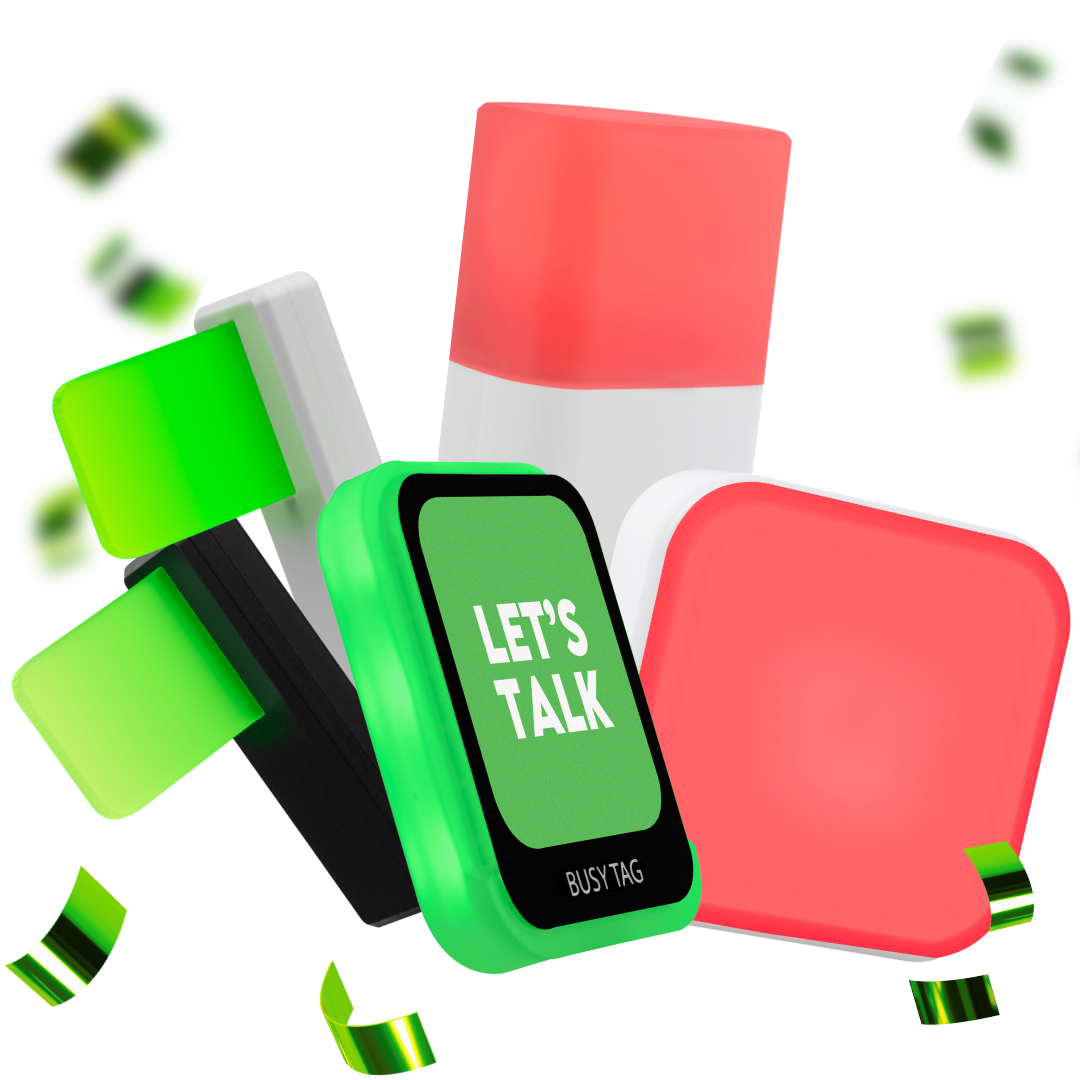
Not only does deep work increase productivity, but it also feels good. Because deep work is a form of flow state, a cognitive zone that is inherently fulfilling and offers the perfect mix of skills and challenge, it can be strengthened with Luxafor tools, (e.g. Luxafor Orbs) as visible cues to preserve concentration and reduce distractions.
Focus tools that support better workflows
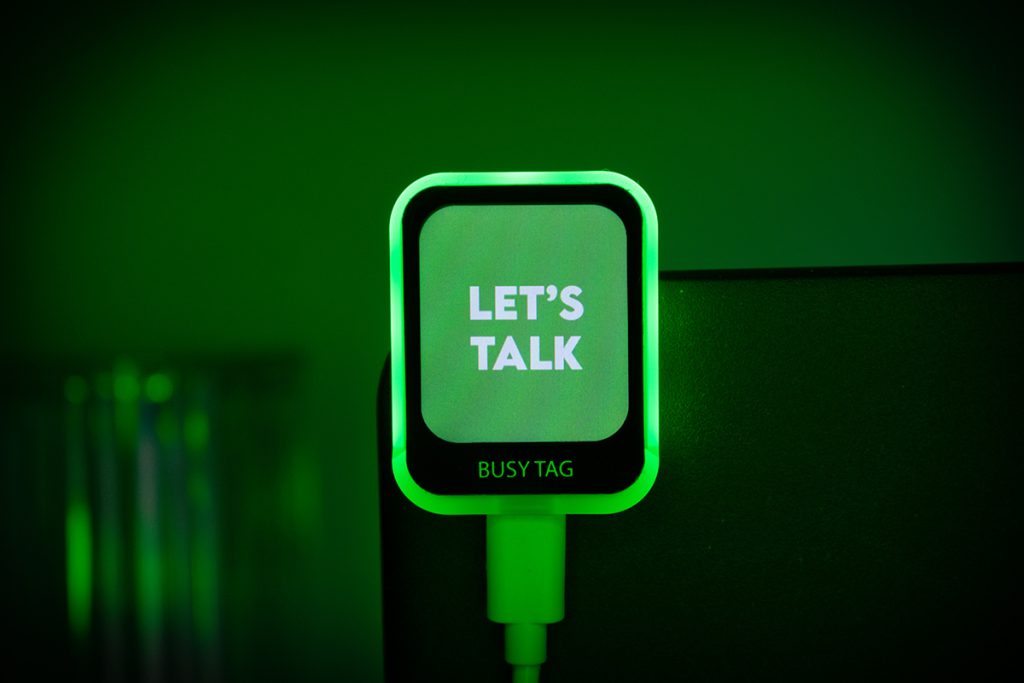
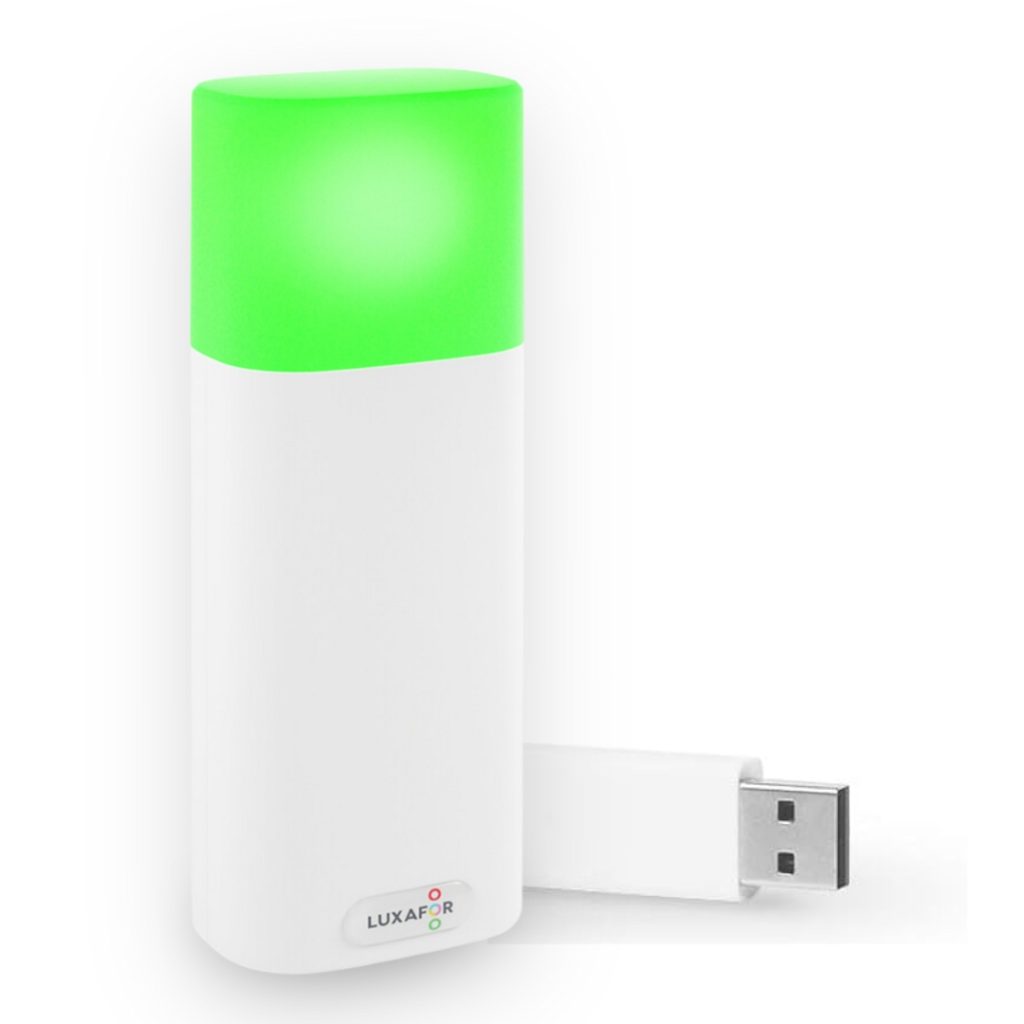
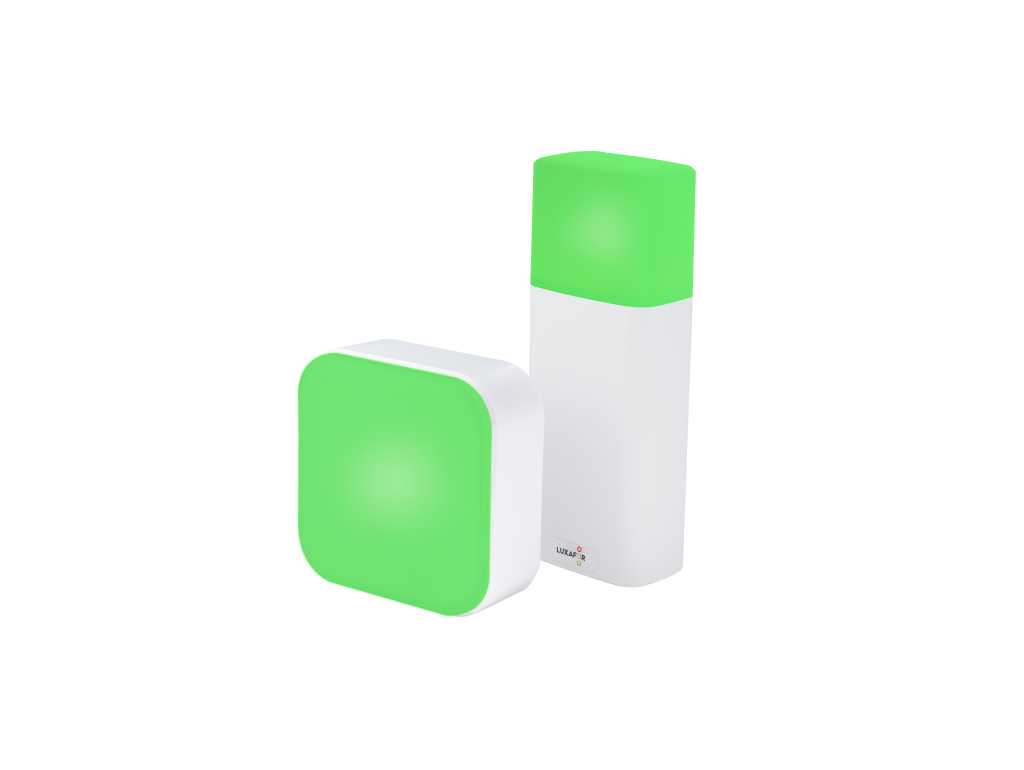
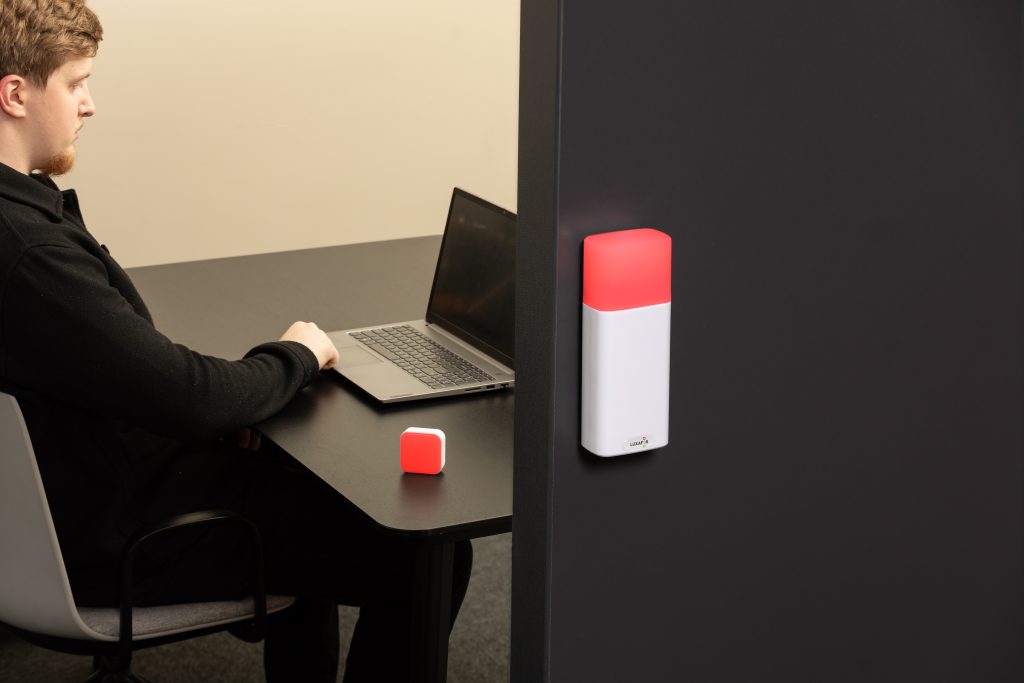
By clearly communicating availability status, Luxafor devices serve as real-time attention signals that minimize disruptions to workflow. Our focus tools automate distraction control and externalize focus boundaries when integrated with calendar and task systems.
How Luxafor distraction indicators improve team focus
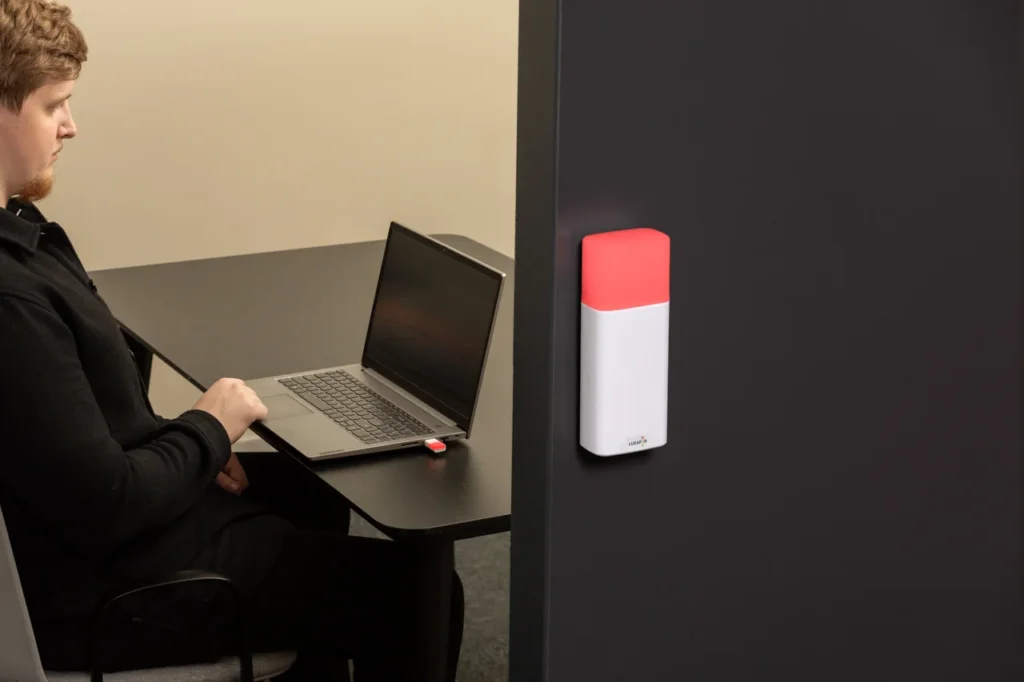
In open offices, visual status lights remove uncertainty by indicating when collaboration is encouraged and when in-depth work is underway. Teams maintain greater task efficiency and cognitive flow by reducing unforeseen disruptions.
Example use cases:
- To insulate coding sessions from ad hoc meetings, development teams utilize Luxafor lights that are linked with sprint tasks.
- To expedite handovers, customer support teams combine Luxafor with ticketing systems, which indicate live status (available, busy, or offline).
- Remote teams employ Luxafor distraction killing signs for virtual collaboration, signifying "do not disturb" during focused work sessions.
This can help your colleagues avoid disturbing you while you're working. Change your status in Microsoft Teams, and your Luxafor light will adjust accordingly.
Best practices for minimizing distraction at work
Distractions have a cumulative effect on enterprises that results in significant financial losses. Just excessive noise levels can impair focus and cut output by as much as 66%. Finding our concentration can frequently be difficult. However, you can educate your body and mind to be more in sync with your focus by using a few easy tactics.
Individual strategies:
- Create a Focused Desk: Employees can take matters into their own hands by keeping their desk clutter-free and employing noise-cancelling headphones to block out environmental noise.
- Time Management Techniques: The Pomodoro Technique, which entails working in focused 25-minute intervals, helps improve concentration.
- Clear Communication: By announcing their work hours and availability to colleagues, employees can reduce interruptions using Luxafor technology.
Final thoughts on mastering focus with psychology and tools
Gaining knowledge about the psychology of attention and the unstated costs of distractions can help you regain concentration. Building procedures that safeguard in-depth work and establish distinct boundaries is necessary for long-lasting transformation; insight alone is insufficient.
Luxafor tools offer those boundaries in an easy-to-use, clear, and efficient manner. Through externalizing concentration cues and reducing distractions, they support teams and individuals in maintaining flow states, enhancing cooperation, and achieving greater performance levels. If you combine technology, strategy, and psychology properly, you can turn distraction into productive work.
FAQ
Why do distractions reduce productivity?
Task switching brought on by distractions raises cognitive strain and prolongs task completion. Every disruption reduces focus on next tasks by leaving "attention residue." This eventually leads to decreased productivity, more mistakes, and mental exhaustion.
What are common signs that I’m frequently distracted at work?
Frequent multitasking and trouble finishing activities on time are signs of attention fragmentation. Important behavioral indicators include feeling continuously behind, mental exhaustion, and increased error rates. Chronic distraction might also be indicated by ongoing worry or anxiety after work.
How does Luxafor improve focus?
Luxafor devices minimize unscheduled disruptions by providing visual cues to indicate availability or attentiveness. They automate behavioral cues by integrating with task and calendar systems. They promote sustained focus and reduce cognitive strain by externalizing attention management.
Can Luxafor tools help teams as well as individuals?
Status lights reduce interruptions by communicating availability across remote setups or open workspaces. To signal "do not disturb" or real-time attention times, they synchronize with collaborative platforms. This collaboration increases group productivity and decreases attention residue.
Article author

Kaspars S.
Productivity tool developer, corporate leader, and technical director at Luxafor
The Psychology of Distraction: Using Luxafor to Stay Focused
Busy Tag – Your Digital Canvas
Tags
Archives
- June 2026
- May 2026
- March 2026
- January 2026
- December 2025
- November 2025
- October 2025
- September 2025
- August 2025
- July 2025
- June 2025
- May 2025
- February 2025
- January 2025
- December 2024
- November 2024
- October 2024
- September 2024
- August 2024
- July 2024
- June 2024
- May 2024
- April 2024
- March 2024
- February 2024
- January 2024
- December 2023
- November 2023
- October 2023
- September 2023
- August 2023
- July 2023
- June 2023
- May 2023
- April 2023
- March 2023
- February 2023
- January 2023
- December 2022
- November 2022
- October 2022
- September 2022
- August 2022
- July 2022
- June 2022
- May 2022
- April 2022
- March 2022
- February 2022
- January 2022
- December 2021
- November 2021
- October 2021
- September 2021
- August 2021
- July 2021
- June 2021
- May 2021
- April 2021
- March 2021
- February 2021
- January 2021
- December 2020
- November 2020
- October 2020
- September 2020
- August 2020
- July 2020
- June 2020
- May 2020
- April 2020
- March 2020
- December 2019
- November 2019
- October 2019
- September 2019
- August 2019
- July 2019
- April 2019
- March 2019
- January 2019
- December 2018
- November 2018
- October 2018
- September 2018
- August 2018
- July 2018
- June 2018
- August 2017
- May 2017
- April 2017
- February 2017
- January 2017
- November 2016
- October 2016
- September 2016
- August 2016
- July 2016
- June 2016
- May 2016
- April 2016
- March 2016
- February 2016
- January 2016