
What is the 1% rule and how to use it?
- Updated on: February 4, 2025

A well-known concept of self-development. We could not help but share, because it works for most of us here at Luxafor and is ABSOLUTELY effective.
If you are interested in the topic of productivity, efficiency, and self-discipline. Or in case you are interested in the mechanisms that affect motivation, inner inspiration, and willpower, then the link below is for you ⬇
https://luxafor.com/blog/
As of now, I think the time has come to get into history, which you may not heard of before…
Today, we would like to tell you the story of a professional cycling team. It’s called Team Sky. It was known as one of the most unsuccessful teams in the history of cycling. Until 2002, throughout all 76 years of competitive performances at the Olympic Games, they won one gold medal only. Their reputation was so bad that a well-known manufacturer has forbidden them to use his bikes, as this could negatively affect the brand.
And then the team managers hired Dave Brailsford, who used to be a professional athlete and a lover of technological improvement theories. He decided that he would put one of the theories into practice. It was called the theory of insignificant profits or the one percent rule.

Source: Pexels
The idea behind this theory is very simple. If you improve a lot of “unimportant” details of your business by a tiny percentage, say, when your employees become one percent more polite, the price of a product goes down by one percent, and the quality of advertising improves by one percent, then in the end, step by step, a tiny change per change, one day you will make your business extremely successful. In a word, small, imperceptible changes now turn into a large-scale transformations over time.
The new coach has been set to work. Slightly lighter tires were found for bicycle wheels, and slightly more comfortable seats were found for athletes. They learned how to properly wash hard-to-reach places on a bicycle so that they do not have dust, and, accordingly, excess weight.
Athletes were given slightly better pillows and mattresses to get better sleep, they hired a nutritionist and tweaked their diet a bit for specific workloads, and even figured out which massage oil was best for recovery.
All these changes are simply ridiculous from the outside. Who will spend their time on this? It all sounds so unimportant.
BUT, if you add up hundreds of these small changes, you end up with a great result.
And so, it happened.
In 2008, at the Beijing Olympics, they won 7 out of 10 possible gold medals. And then they repeated their result, winning 7 out of 10 gold medals at the next Olympics in London. They have won 4 of the last 5 Tour de France, something no British team has yet achieved.

Source: Pexels
What does this story teach us?
The fact is that most successful people follow this rule. In the biographies and biographies of all great personalities, you will find one thought that runs like a red thread through all their destinies. They were always trying to be a little better.
Today you work on your writing technique, tomorrow you improve your pronunciation, and then you improve your knowledge of English by one percent… And over time, step by step, you become noticeably better. While most people don’t feel the need to spend time making subtle, small changes, YOU are getting closer to your goal.
It means that no matter what you do, no matter what your hobbies are – if you evolve bit by bit, get better at something small, insignificant – in the end, you are going to achieve something huge, after some time. Try to focus not on the big picture instantly, but focus on small steps, that will lead to this BIG picture after some time.
Let us explain step-by-step what is possible to do:
Choose your small goals, or in case you can’t understand, what small goals you may have – take a big goal and do decomposition. Let’s take for example goal – I want to become productive at work. What may decomposition give you?
Minimize distractions, drink coffee (in case you are sleepy), and if you need external help – buy any productivity gadgets. And stay focused at all costs.

Source: Pexels
2. Keep them in your mind
As we’ve been talking about tiny goals – remember them and choose what works best for you as we all are individuals. Something that works for one person might not work for the other, and vice versa. Or maybe something that works for one may help the other one – you never know until you try.
In cases when you understand that minimalistic aims are not working for you as those did before – change them. It will give you the feeling of something fresh and not ordinary. Maybe going to have some fresh air, or going to the gym before work may increase your energy levels and help you with productivity. If you don’t know for sure – try, and with trial and error, you are going to find what works for you.

Source: Pexels
4. Do it again
When you’ve found your perfect formula or formulas – stick to them and use these patterns you’ve created. In case you again got in the loop of the same thing all over again, change it into the other pattern of yours – to get another feeling. As easy as that.
Also, remember – Every little change you can think of has the butterfly effect of turning your life upside down and you don’t even know how it happened.
Summarizing
Start today, find these tiny spheres in your life, work life, and hobbies where you can become better – and start improving a bit right now. And while collecting this experience remember what you did and improve that even more. And if you have a notebook, or calendar where you write your insights, and tasks – check how you’ve been doing previously, and how your life will change, when you implement this mindset of 1% improvements.
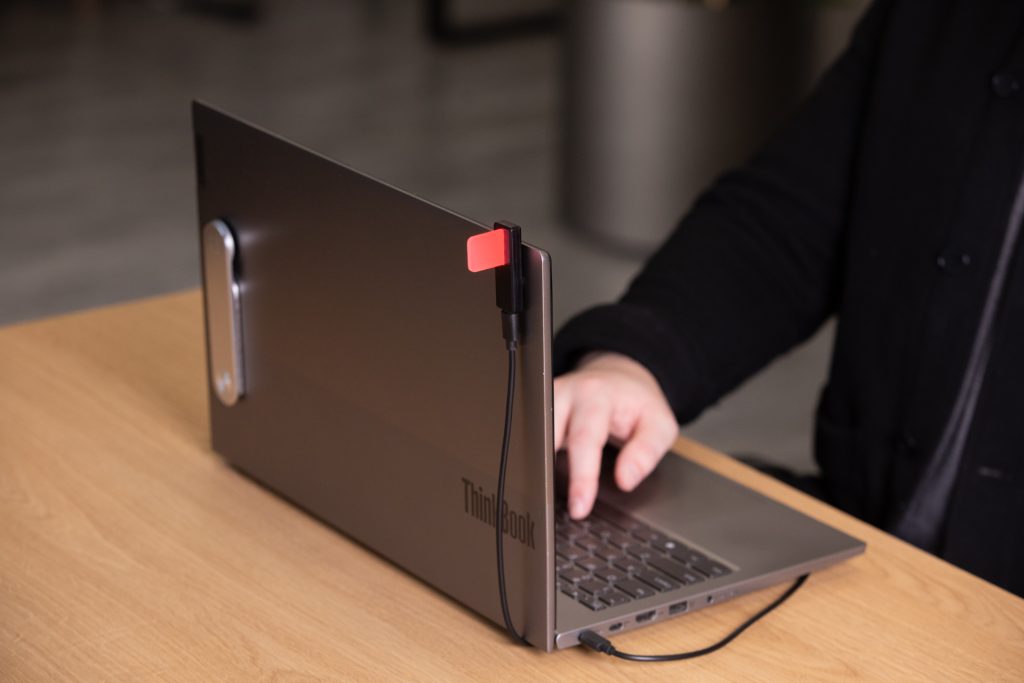
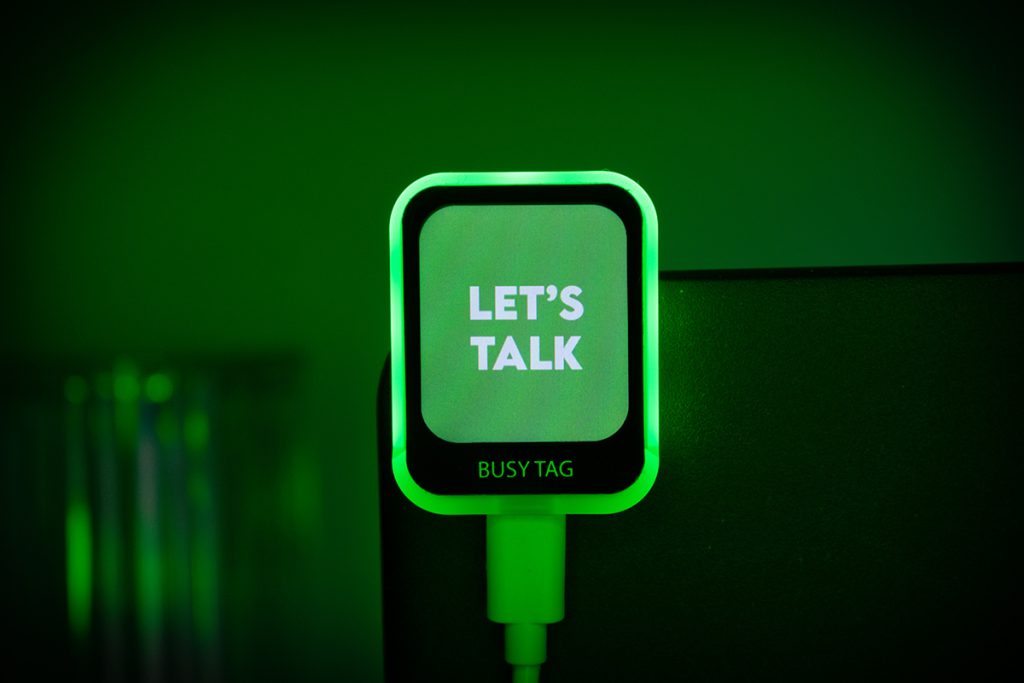
If it helps you, don’t forget to say thanks to us in Luxafor, because we are sharing this information with you, so you can evolve, and your life will become better. As well as, don’t forget that we can assist you to be less disturbed or healthier with our products. Boost yourself and become better!
LUXAFOR HELPS PEOPLE TO ACHIEVE THEIR GREATEST PRODUCTIVITY LEVELS WITH A WIDE VARIETY OF OFFICE PRODUCTS. LET’S BE PRODUCTIVE TOGETHER!
Do you want to build and maintain new habits? Get your free PDF version of the Don't Break The Chain calendar and start today!
Do you want to build and maintain new habits? Get your free PDF version of the Don't Break The Chain calendar and start today!
Author's Bio
Jessica Chapman is a writing editor from Chicago who enjoys traveling. She works with Australian Writings, and if you need programming assignment help, she is the best person you can ask. She is also into politics and sports.
What is the 1% rule and how to use it?





Tags
Archives
- March 2026
- January 2026
- December 2025
- November 2025
- October 2025
- September 2025
- August 2025
- July 2025
- June 2025
- May 2025
- February 2025
- January 2025
- December 2024
- November 2024
- October 2024
- September 2024
- August 2024
- July 2024
- June 2024
- May 2024
- April 2024
- March 2024
- February 2024
- January 2024
- December 2023
- November 2023
- October 2023
- September 2023
- August 2023
- July 2023
- June 2023
- May 2023
- April 2023
- March 2023
- February 2023
- January 2023
- December 2022
- November 2022
- October 2022
- September 2022
- August 2022
- July 2022
- June 2022
- May 2022
- April 2022
- March 2022
- February 2022
- January 2022
- December 2021
- November 2021
- October 2021
- September 2021
- August 2021
- July 2021
- June 2021
- May 2021
- April 2021
- March 2021
- February 2021
- January 2021
- December 2020
- November 2020
- October 2020
- September 2020
- August 2020
- July 2020
- June 2020
- May 2020
- April 2020
- March 2020
- December 2019
- November 2019
- October 2019
- September 2019
- August 2019
- July 2019
- April 2019
- March 2019
- January 2019
- December 2018
- November 2018
- October 2018
- September 2018
- August 2018
- July 2018
- June 2018
- August 2017
- May 2017
- April 2017
- February 2017
- January 2017
- November 2016
- October 2016
- September 2016
- August 2016
- July 2016
- June 2016
- May 2016
- April 2016
- March 2016
- February 2016
- January 2016