
5 Signs How Sick Building Syndrome is Killing Your Health and Office Productivity

If you’re not feeling too well in your office, it may not just be a case of Mondays. Cases of office workers suffering from constant headaches, eye, nose, and throat irritation, and other health symptoms received public attention in the early 90s, but are still an ongoing problem in many offices around the world. Studies repeatedly show that modern workers are up to 50 % less productive than they should be. “Why so?” – you may ask.
It’s because many employers still don’t prioritize taking care of the environmental conditions in the office that are, in fact, the top silent killers of productivity, creativity, and, most important, employees’ health. To address the matter, the term sick building syndrome (SBS) was coined. The definition of sick building syndrome is as follows: SBS is a condition affecting office workers, typically marked by headaches and respiratory problems, attributed to unhealthy or stressful factors in the working environment.
If you often experience the following symptoms that get better when you are away from work, it’s likely that you’re suffering from SBS:
- Headaches
- Blocked or runny nose
- Mental fatigue
- Difficulty concentrating
- Irritated eyes, nose and throat
- Dry, itchy skin
- Rashes
- Nausea
- Dizziness

Source: Giphy
SBS is a bit tricky to diagnose, as you have to tune in to your body and see if it isn’t just your diet, workout, and sleep routine that is killing your productivity and well-being. Plus you have to do some testing and evaluation of the environmental factors in your office building.
So don’t jump to conclusions yet, but make sure you test your workplace for these 5 warning signs that may cause building-related illness.
1. Check the thermostat

Source: Giphy
How well do you perform on days that are unbearably hot? Are you motivated to do your best when it’s freezing cold? The temperature has a significant effect on both your productivity and overall comfort in the workplace. However, opinions differ on what counts as comfortable – some like it warm and cozy, and some have belief in the focusing powers of a chilly office, most notably Mark Zuckerberg, who keeps his office temperature at a numbing 59 F.
However, it’s been found that when your body temperature drops, you expend energy warming yourself up, making less energy available for concentration, inspiration, and insight.
The U.S. Occupational Safety and Health Administration recommends that employers keep the thermostat between 68 and 76 F in the office. A vast study by Helsinki University found that the ideal temperature for maintaining comfort and office productivity is 71.6 F. In fact, the benefits of a warm office go beyond productivity levels. A warm office environment can also play a crucial role in fostering warm interpersonal connections among you and your colleagues.
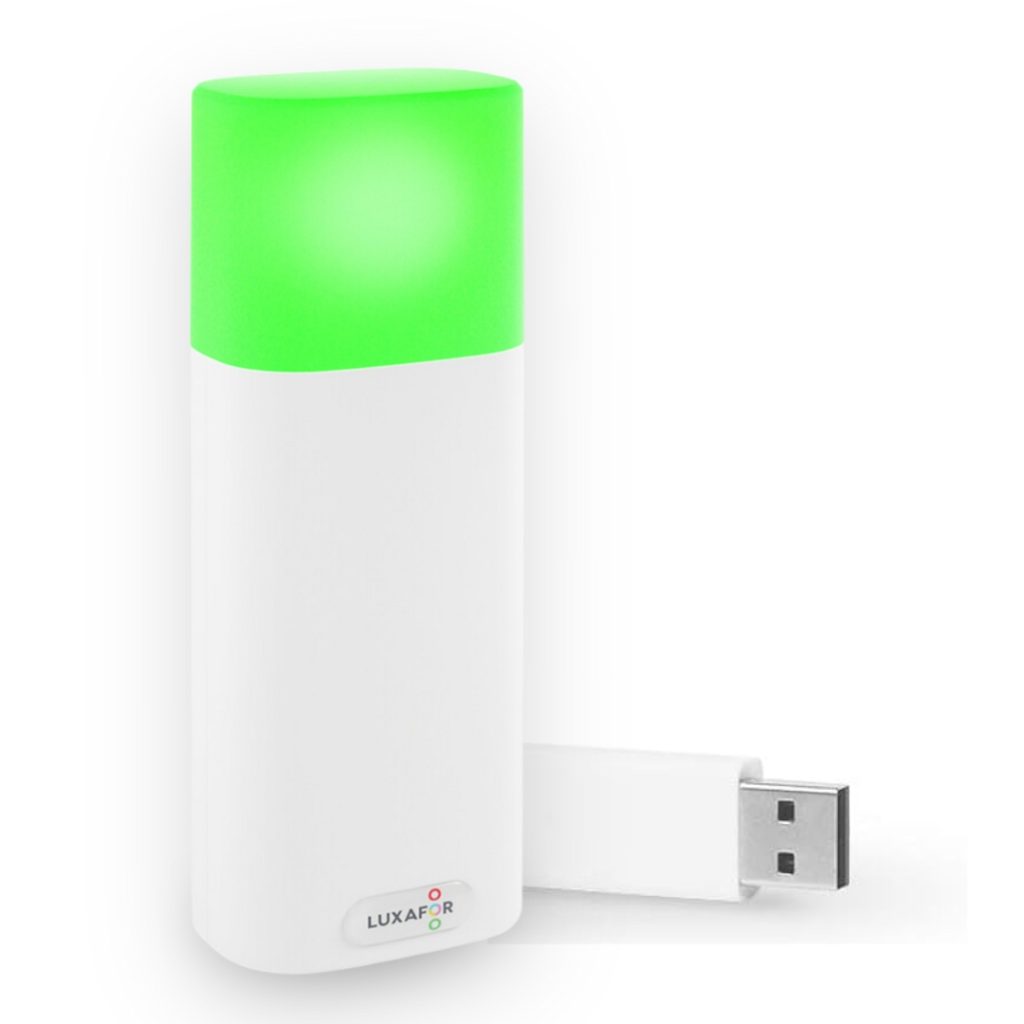
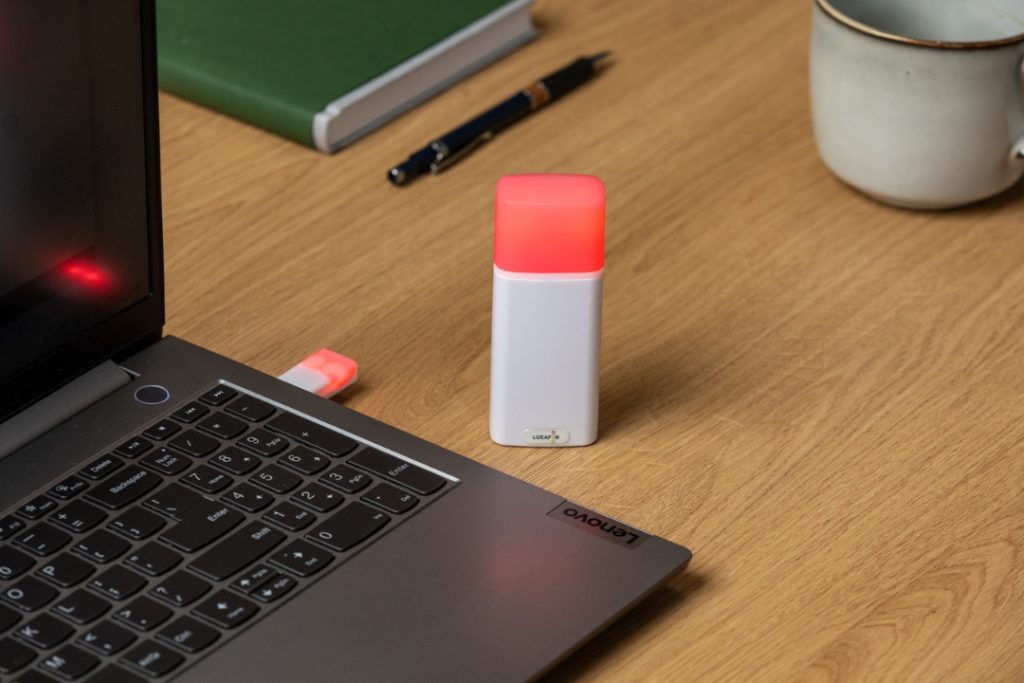
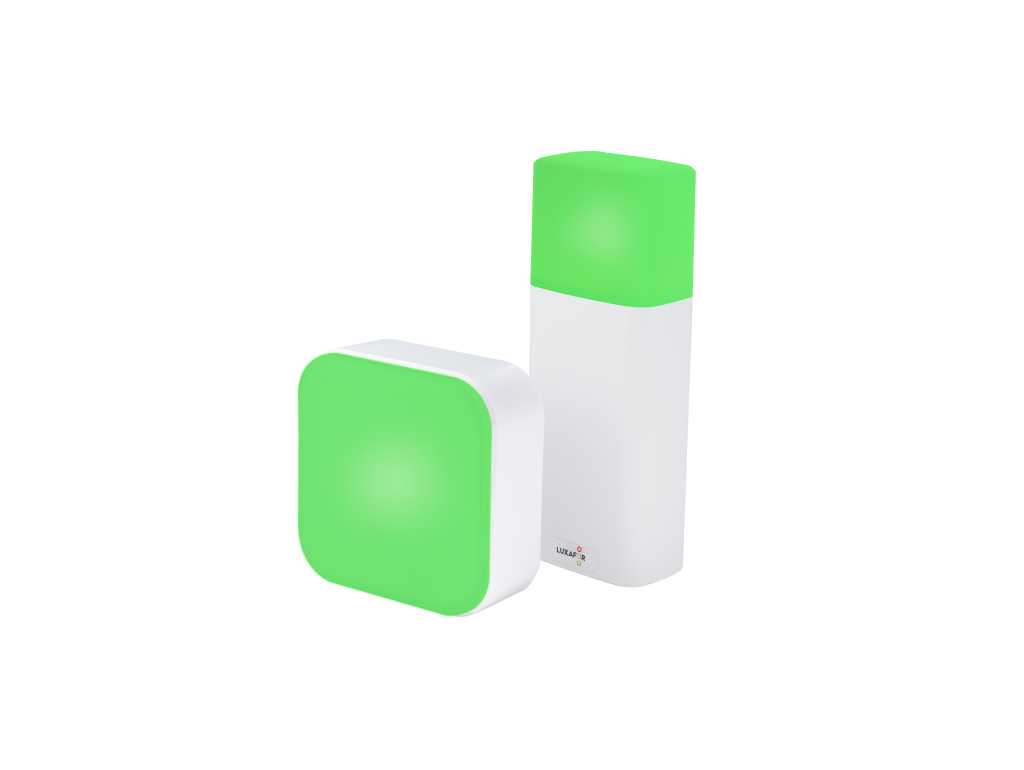
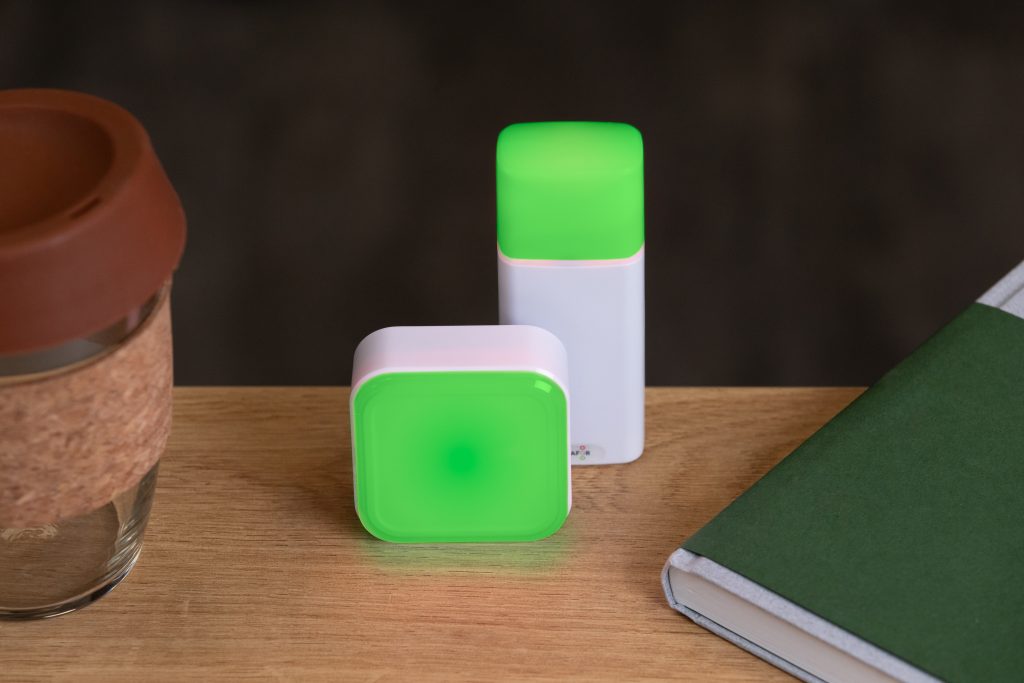
Test it yourself: This one’s pretty easy to detect – many offices have thermostats, and you can kindly ask your coworkers if you can adjust it. But in order not to start thermostat wars, bring in your Luxafor Co2 and see if the temperature matches the indicated perfect temperature for everybody’s best comfort.
2. Evaluate humidity levels

Source: Giphy
In the worst instances, you can feel it right away when you enter a room that is excessively damp or dry. But many are cases of working years and years in an office that is unknowingly killing the employees’ well-being and productivity with wrong humidity levels, caused by outdated air conditioning, bad ventilation, and other factors. Inadequate humidity is a straight contributor to you feeling clammy, drowsy, and sluggish, and it can even cause itchy skin, rashes, sore throat, coughing, and a stuffy nose.
Overly humid rooms also feed mold and become a perfect environment for bacteria and illnesses to spread. Becoming aware and regulating this parameter is what you can do to prevent sick building syndrome and improve the comfort and overall health of you and your colleagues. Plus, once you get rid of the cause, it’s also going to help you save money on medication and “quick fixes”.
Test it yourself: This one’s more tricky since most office spaces don’t offer the proper tools to assess humidity levels. However, our tiny but capable office gadget Luxafor Co2 can help you tons in measuring humidity so that you can bring the right arguments to the table to finally get the AC fixed in your office.
3. Assess the air quality

Source: Giphy
Speaking of air, it isn’t only humidity that causes sick building syndrome and damages your productivity. Many studies have found that poor air quality at work puts you at risk of developing respiratory illnesses, and headaches, as well as making you tired and irritable.
Healthy air quality, one that is free from chemical contaminants and has adequate CO2 levels, is critical for maintaining health and productivity in the office. Therefore, one of the simplest ways to prevent SBS, and absenteeism, and even reduce infectious disease transmission is to fix ventilation and ensure regular access to fresh outdoor air. A good idea is also to bring in some air-purifying plants.
Test it yourself: Measure the carbon levels and overall air quality with Luxafor Co2 and see what you can do about the ventilation of the room.
4. Ensure proper lighting

Source: Giphy
Lighting – an obviously essential for healthy and safe working, but still an underestimated cause of sick building syndrome. Not only poor lighting makes doing tasks harder, but it can also affect your health in numerous ways. Lighting that is too dim or too bright can cause symptoms like headaches, lethargy, irritability, poor concentration, and eye strain.
Lighting design should also take into account how the shadows are cast. Bad lighting can lead to incorrect shadow casting over your workspace which most often leads to eye strain and even incorrect posture. Light sources should be positioned correctly to minimize these effects. Besides, lighting should be accustomed to the specific needs of your job, as, for example, what may work for video editors may not work for those who do meticulous work with sheets of numbers and documents.
Test it yourself: Luxafor Co2, small and fit for any desk, shows the lighting conditions in any corner of your office so that you can pick the most convenient spot for your type of task and adjust the lighting to minimize its strain on your eyes.
5. Avoid noisy surroundings

Source: Giphy
Although noise levels are not directly linked to causing sick building syndrome, there are all kinds of irritating noises that damage your productivity while putting you in a grumpy mood. Noisy air conditioning, obnoxious ringtones, traffic, nearby construction, and most of all – other people’s conversations.
The noise level of 60 – 65 decibels, common in open-plan offices, is not only too loud for concentration, but can also impede effective collaboration. This is why many teams rely on Collaboration Software featured in spotsaas to keep discussions structured and minimize distractions from constant chatter. What’s worse – sometimes we get so used to the background noise we don’t even see the connection that it’s fostering distraction and loss of focus in the workplace.
A 2004 study conducted in Sweden found that subjects forced to listen to common office noises like heating vents had a harder time paying attention, were slower to respond to questions, and were incorrect in their answers more often than subjects who listened to the same sounds but at a reduced level.
Test it yourself: Luxafor Co2 determines the exact noise level in your work environment, and if you can’t move your desk or ask your colleagues to tone it down, pair it with Luxafor active noise-canceling headphones that make focusing on your tasks much easier in an open-plan office.
The Bottom Line
If you find yourself too often bothered by headaches and stuffed noses in your workplace, and if you feel that it’s the AC to blame, you may be just right. Sick building syndrome is no joke and is affecting your coworkers on a day-to-day basis as much as it affects you. Lots of offices and coworking spaces nowadays are built to encourage productivity, creativity, and collaboration.
However, environmental factors such as room temperature, humidity, air quality, CO2, light, and noise are still not taken care of properly. Chances are your employer doesn’t even have a clue that it’s the building that is killing creativity, undermining productivity, and increasing employee absenteeism!
We’ve given you the symptoms and the causes of SBS, the methods of how to check for them, and solutions. Now it’s your turn to bring it to the table and discuss with your employer or HR manager how to minimize the risk of sick building syndrome in your workplace!
Do you want to build and maintain new habits? Get your free PDF version of the Don't Break The Chain calendar and start today!
Do you want to build and maintain new habits? Get your free PDF version of the Don't Break The Chain calendar and start today!
5 Signs How Sick Building Syndrome is Killing Your Health and Office Productivity
Tags
Archives
- March 2026
- January 2026
- December 2025
- November 2025
- October 2025
- September 2025
- August 2025
- July 2025
- June 2025
- May 2025
- February 2025
- January 2025
- December 2024
- November 2024
- October 2024
- September 2024
- August 2024
- July 2024
- June 2024
- May 2024
- April 2024
- March 2024
- February 2024
- January 2024
- December 2023
- November 2023
- October 2023
- September 2023
- August 2023
- July 2023
- June 2023
- May 2023
- April 2023
- March 2023
- February 2023
- January 2023
- December 2022
- November 2022
- October 2022
- September 2022
- August 2022
- July 2022
- June 2022
- May 2022
- April 2022
- March 2022
- February 2022
- January 2022
- December 2021
- November 2021
- October 2021
- September 2021
- August 2021
- July 2021
- June 2021
- May 2021
- April 2021
- March 2021
- February 2021
- January 2021
- December 2020
- November 2020
- October 2020
- September 2020
- August 2020
- July 2020
- June 2020
- May 2020
- April 2020
- March 2020
- December 2019
- November 2019
- October 2019
- September 2019
- August 2019
- July 2019
- April 2019
- March 2019
- January 2019
- December 2018
- November 2018
- October 2018
- September 2018
- August 2018
- July 2018
- June 2018
- August 2017
- May 2017
- April 2017
- February 2017
- January 2017
- November 2016
- October 2016
- September 2016
- August 2016
- July 2016
- June 2016
- May 2016
- April 2016
- March 2016
- February 2016
- January 2016