
Create a healthy work environment ensuring clean air indoors

Did you know that every single day we take around 22 thousand breaths without even realizing? Sounds like a lot, but that is the number of inhalations and exhalations that one person makes on average per day. It is no secret that air we breathe matters greatly for our health, survival, cognitive functions, productivity and well-being.
Since we tend to spend most of our time indoors, indoor air quality has a significant impact on our well-being and can also contribute to long-term health problems. This is especially important after the recent global pandemic and during the colder months of the year when we are faced with variety of contagious virus infections. What are the signs of unhealthy work environment or that indoor spaces are not ventilated enough and what can be done to improve indoor air quality? In this blog we will try to answer these questions and provide useful tips that will hopefully serve you as a guide to improve your working and living conditions, so take a breath and let`s dive in!
How to ensure your office or home is a safe and healthy environment for you and others?
In stuffy, crowded and insufficiently ventilated rooms, there is not only a significant decrease in overall well-being, but also a greater risk of illness – as bacteria multiply, the concentration of viruses and indoor pollution increases. The effect of dust on the respiratory system depends on the density, concentration of hazardous particles, air pollutants and chemical composition of these particles. Bad indoor air quality can contribute to swelling of the nasal mucous, trigger allergic reactions and have a negative effect on the immune system. Being in a polluted environment overloads and damages the protective mechanisms of the respiratory system, which can lead to various diseases this is why proper respiratory protection is crucial for those in high-risk environments – from acute illnesses, such as difficulty breathing, inflammation of the lungs, disorders of the cardiovascular system and asthma, to chronic diseases, such as deterioration of lung functions, lung failure, chronic bronchitis, lung cancer, and even pleural mesothelioma, a rare but aggressive cancer primarily caused by asbestos exposure
The importance of good quality air indoors
Did you know that most of us spend up to 90% of our time indoors? As a result, we spend a lot of time and money regulating the temperature in our homes and workplaces. The right temperature allows us to feel warm and comfortable in the winter, and to cool down in the summer – external wall insulation systems help maintain the optimal temperature. While achieving the ideal air temperature throughout the year is undoubtedly very important, air quality is another important factor that affects our well-being.
The average person spends only 30 minutes to 2.5 hours a day outdoors, and most of that time is spent getting to and from work. Therefore, we are exposed to indoor air pollutants for most of the day. By monitoring the indoor CO2 levels, being proactive and ventilating the interior every day, it will be possible to get rid of and neutralize the polluting substances found in the premises. Spending more time outside in green areas such as parks, fields, mountains and private gardens will allow you to breathe enough fresh air.

The most common symptoms of poor air quality
Accumulated dust, the presence of allergens such as pollen, various microorganisms and bacteria, viruses, even mold – these are some of the elements that can create indoor air pollution. In addition, humans themselves are one of the main sources of pollution, as they exhale carbon dioxide (CO2). When staying in a room with insufficient air quality for a long time, the feeling of well-being may worsen and it is possible to observe some of these symptoms:
- A feeling harder to breathe, that there is a lack of air in the room;
- Fatigue, weakness;
- Decreased ability to focus;
- Constant headaches;
- Feeling of dizziness;
- Allergic reactions, sneezing, coughing;
- Eye and respiratory tract inflammation, eye dryness, irritation;
- Increased drowsiness and yawning;
- Sleep disorders.
What is the optimal indoor microclimate?
Monitoring indoor CO2 levels is essential.
Each person has their own individual viewpoint about the environment in which they feel best or work best and can vary both during the day, and depending on the season or the activity at that moment. The recommended microclimate indicators depict what conditions would be comfortable for the majority, so it is possible to take them as a sample to start adjusting the suitability of your premises. The optimal indoor microclimate for your workspace should be:
- 18–24 ºC – air temperature in rooms,
- 40-60% – relative air humidity,
- up to 700 ppm – CO2 concentration indoors.
Usually with autumn, the time of viruses and seasonal illnesses begins. Regular ventilation is necessary not only to limit the spread of infectious diseases, but also for better working abilities, because in a room with increased CO2, cognitive abilities decrease, drowsiness and headaches may occur. On the other hand, a stuffy nose can be one of the indicators that the air in the room is too dry, which causes irritation and inflammation as well as various allergic reactions. Dry air also contributes to swelling and tearing of the eyes, dry skin and other symptoms. Therefore, also during the heating season, for preventive purposes it is advised to monitor the air temperature and humidity.

How to improve air quality and what can affect it?
By following these tips, you can create a healthier and more comfortable living and working environment for yourself as well as for others:
Increase ventilation: Open windows and doors to let fresh air in, especially when the weather permits. This will help to dilute and remove pollutants from your indoor air.
Install (or inspect if necessary) the ventilation system: The system reduces the concentration of pollution, performs air exchange and filtration. Different types of air filters are used in the systems.
Reduce sources of pollution: This includes smoking, burning candles, using cleaning products, and cooking. It’s also important to properly vent stoves, fireplaces, and other appliances that burn fuel.
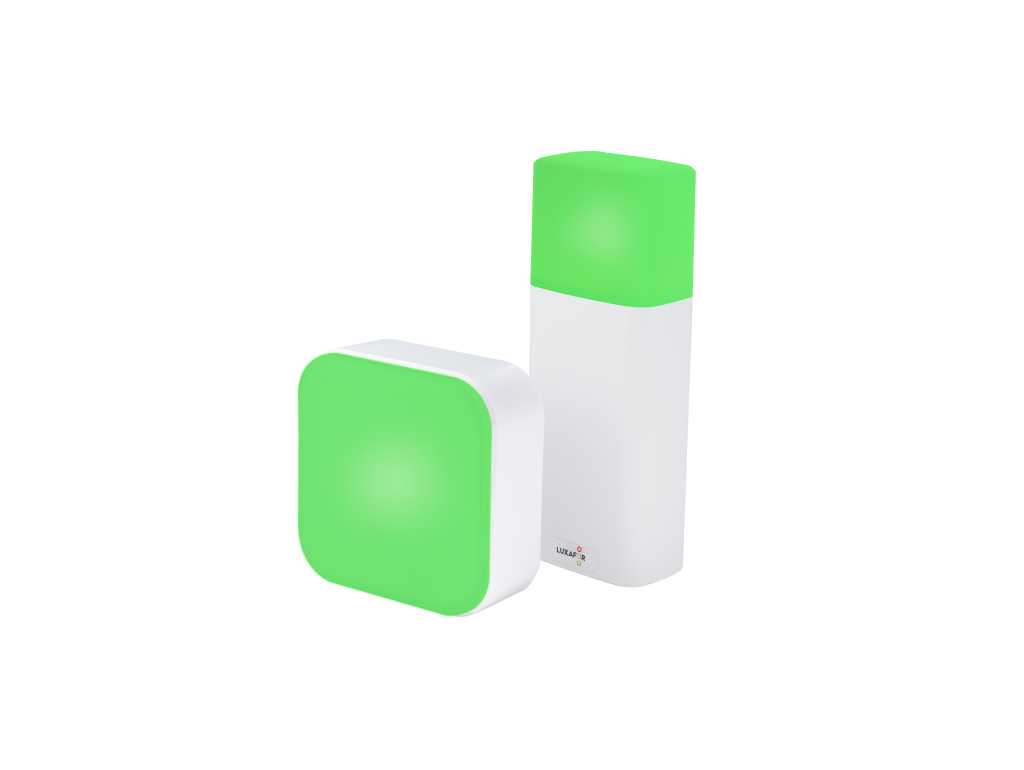
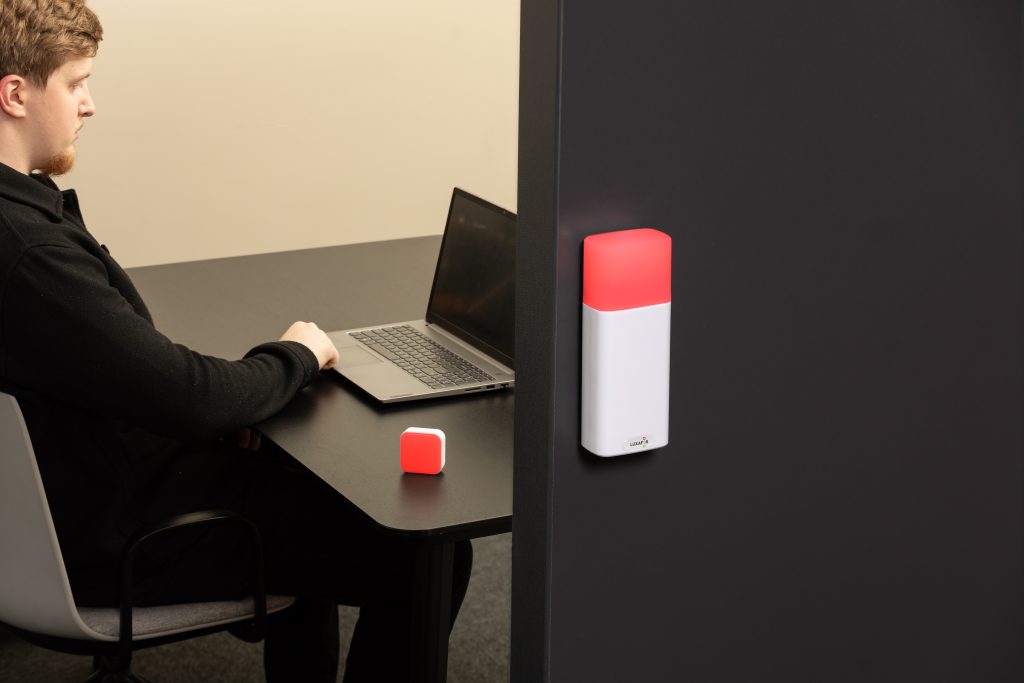
Perform air quality testing and monitoring: And receive recommendations for necessary improvements hiring specialists or with the help of sensors.
Buy houseplants: They will help purify the air and at the same time – complement the interior of the room.
Use air purifiers: Air purifiers can help to remove pollutants from the air, such as dust, smoke, and pet dander. Look for an air purifier with a HEPA filter, which is highly effective at capturing small particles.
We have also prepared easy to follow recommendations for ventilation of premises, to improve the air quality:
- When ventilating the rooms, the windows should be opened fully for a short time, ideally if it is possible to do this once an hour for 2-5 minutes;
- If you stay indoors less often, it may be enough to ventilate once a day;
- Opening windows in “ventilation mode” does not work, because it results in greater heat loss and air exchange does not take place to the required extent;
- For better air draft to ventilate the room, open windows and doors on different sides of the room;
- On a warm, windless day, you can also use air conditioner because just opening the window may not be enough;
- The lower the outside temperature, the faster the air will change indoors;
- If there is a sick person at home, the rooms must be ventilated regularly to avoid spreading an infectious disease.
Get your PDF with Tips to improve air quality indoors!
Indoor air quality can be affected by a variety of factors, both inside and outside the home. Here are some of the most common:
Microclimate of a room – temperature, humidity (preferably from 30% and not exceeding 60%), air movement and amount of CO2 in the room (preferably 600-700 ppm);
External air pollution – airing the premises will make a difference whether you are near a highway, in a factory area or in a quiet part of town near a park;
Indoor pollution – chemical toxins in furniture, fireplaces, dust, technical appliances, etc.
Human activity pollution – household chemicals, air fresheners, candles, cooking, room cleaning, personal workspace hygiene, etc.
Biological pollution – mold, mildew, dust mites, pet hair, agents of infectious diseases as viruses, etc.
Optimal indoor air quality is one of the basic conditions for our well-being and productivity especially at the workplace where we spend a considerable amount of time during the day. A study by Harvard environmental health researcher Joseph Allen concluded – Good air quality improves our cognitive capacity and productivity by about 60%. Although even if it might seem that the air quality of the room is high enough with regular ventilation, this is not always the case that is why an air quality monitoring device is a valuable and a practical investment for your working and living premises alike.
In Conclusion
Air pollution, both indoors and outdoors, is on the rise, so don’t sit back and let it cause negative effects to you and the people around you. We have suggested many ways on how indoor air quality can be measured and improved by increasing ventilation, reducing pollution sources, controlling humidity and CO2 levels, using air purifiers, bringing in houseplants, etc. As we spend most of our lives indoors – the knowledge on how to determine when the indoor environment has become dangerous not only by affecting your productivity, but also the state of health.
Please be responsible for your own health and the well-being of others, knowing that you can start with small improvements and small changes. We hope that following some of the tips in this article can make a big difference in your life that is why we have prepared some very special downloadable material to help out.
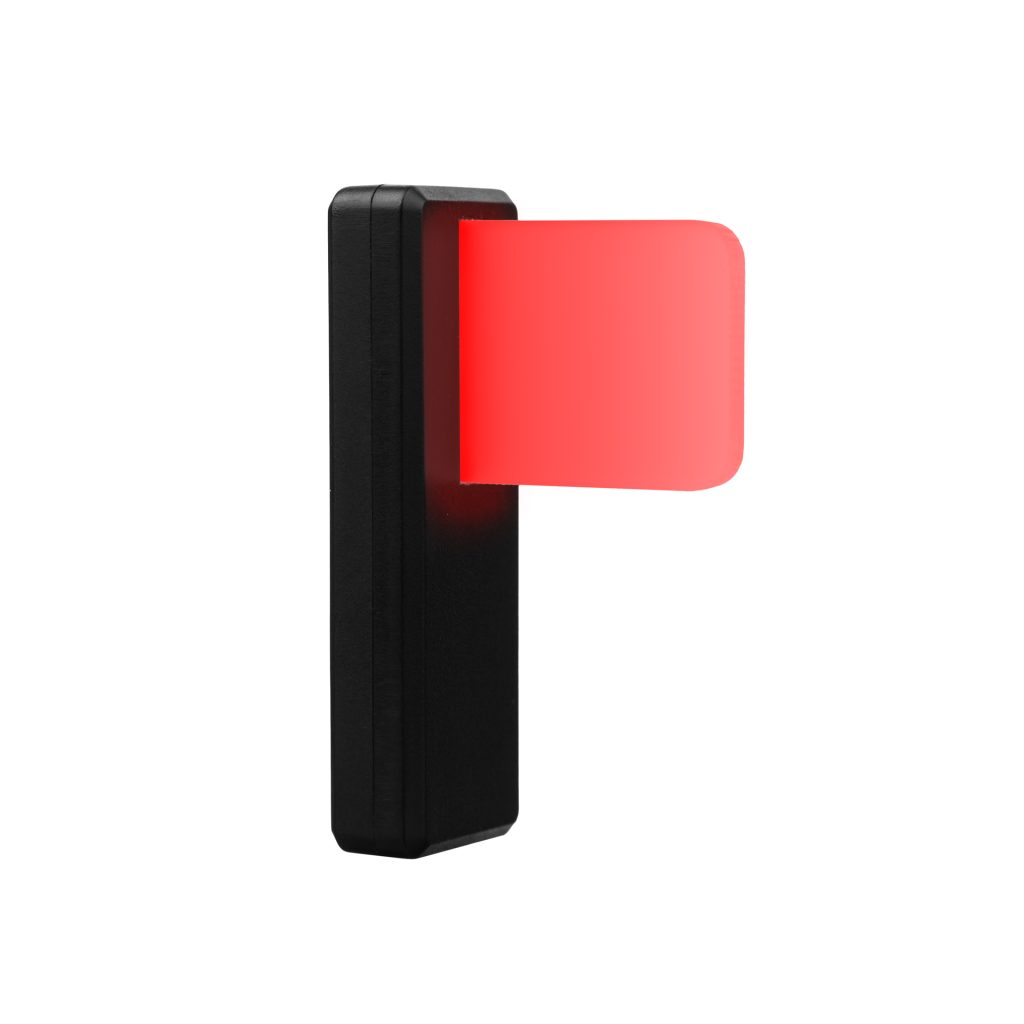
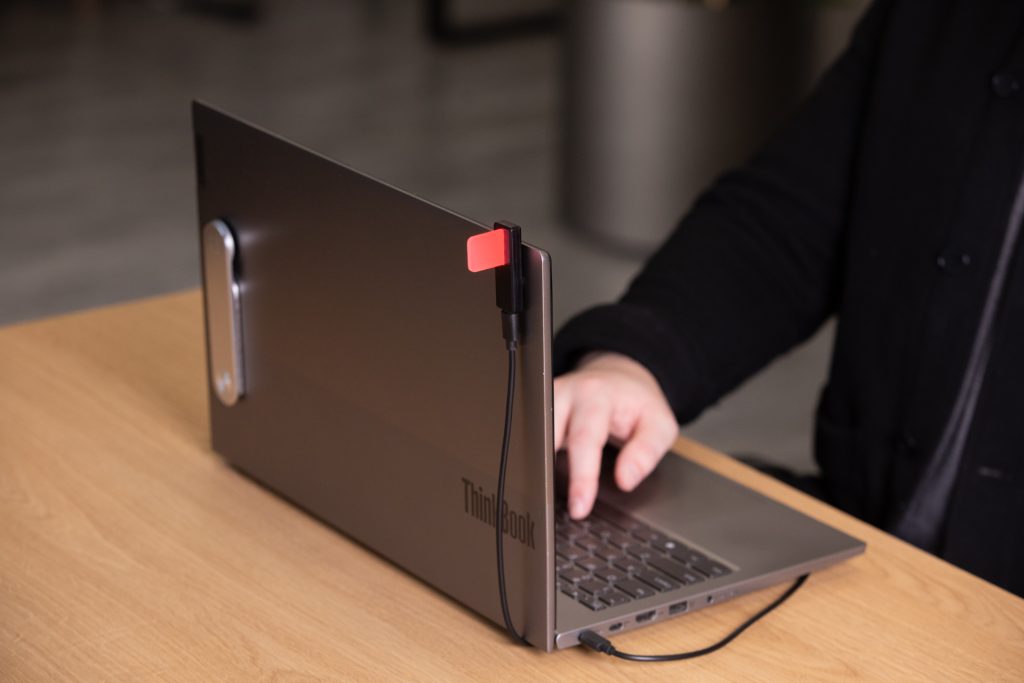
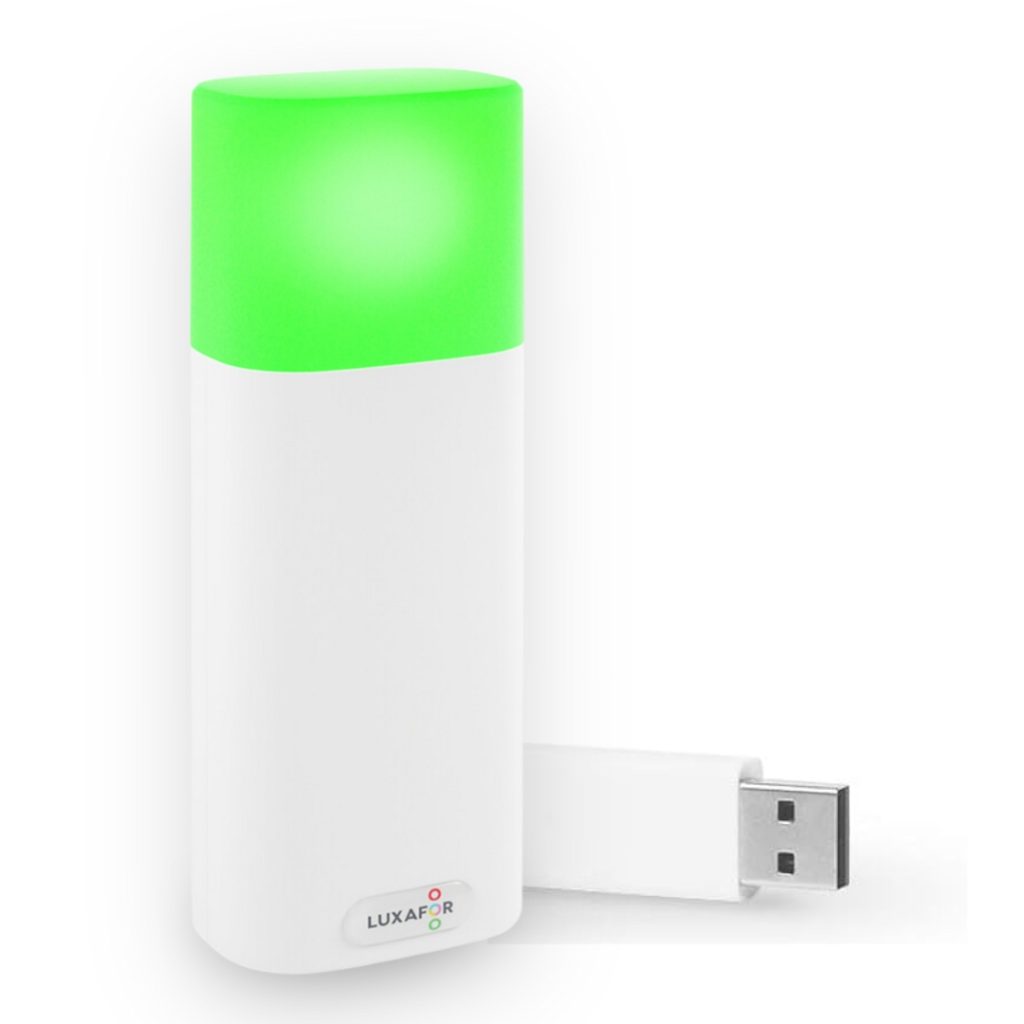
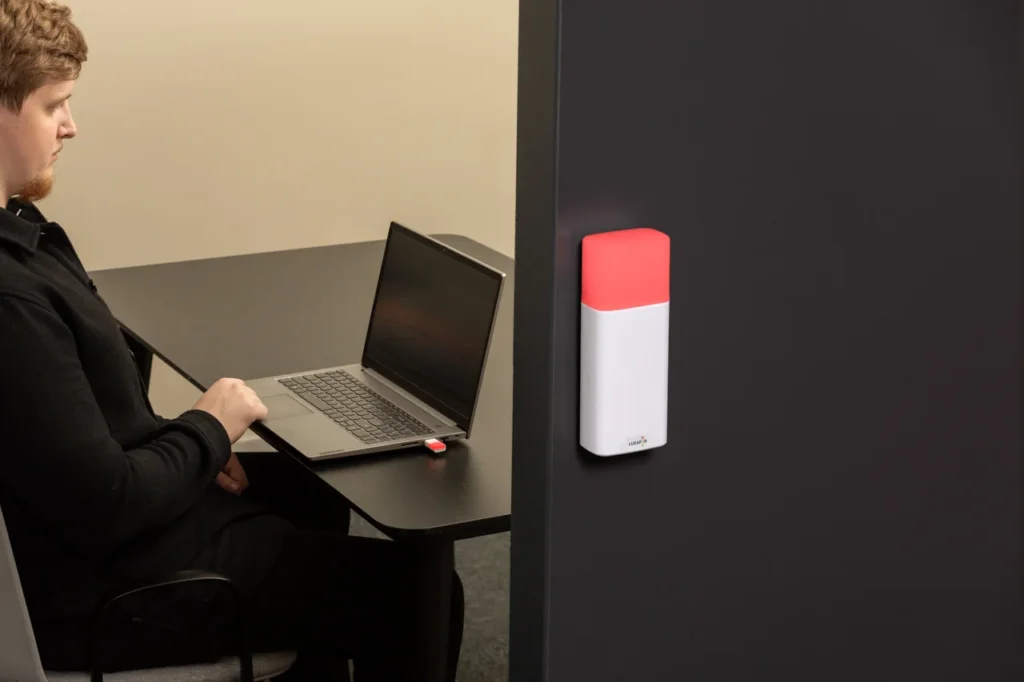
Luxafor CO2 Dongle
LUXAFOR HELPS PEOPLE TO ACHIEVE THEIR GREATEST PRODUCTIVITY LEVELS WITH A WIDE VARIETY OF OFFICE PRODUCTS. LET’S BE PRODUCTIVE TOGETHER!
Get your PDF with Tips to improve air quality indoors!
Get your PDF with Tips to improve air quality indoors!
Create a healthy work environment ensuring clean air indoors


Tags
Archives
- June 2026
- May 2026
- March 2026
- January 2026
- December 2025
- November 2025
- October 2025
- September 2025
- August 2025
- July 2025
- June 2025
- May 2025
- February 2025
- January 2025
- December 2024
- November 2024
- October 2024
- September 2024
- August 2024
- July 2024
- June 2024
- May 2024
- April 2024
- March 2024
- February 2024
- January 2024
- December 2023
- November 2023
- October 2023
- September 2023
- August 2023
- July 2023
- June 2023
- May 2023
- April 2023
- March 2023
- February 2023
- January 2023
- December 2022
- November 2022
- October 2022
- September 2022
- August 2022
- July 2022
- June 2022
- May 2022
- April 2022
- March 2022
- February 2022
- January 2022
- December 2021
- November 2021
- October 2021
- September 2021
- August 2021
- July 2021
- June 2021
- May 2021
- April 2021
- March 2021
- February 2021
- January 2021
- December 2020
- November 2020
- October 2020
- September 2020
- August 2020
- July 2020
- June 2020
- May 2020
- April 2020
- March 2020
- December 2019
- November 2019
- October 2019
- September 2019
- August 2019
- July 2019
- April 2019
- March 2019
- January 2019
- December 2018
- November 2018
- October 2018
- September 2018
- August 2018
- July 2018
- June 2018
- August 2017
- May 2017
- April 2017
- February 2017
- January 2017
- November 2016
- October 2016
- September 2016
- August 2016
- July 2016
- June 2016
- May 2016
- April 2016
- March 2016
- February 2016
- January 2016