
The 52/17 Rule: Boosting Productivity with Structured Breaks

The 52/17 rule is a time management technique that enhances productivity by balancing focused work with structured breaks. It involves 52 minutes of deep work, followed by a 17-minute break, allowing the brain to reset and maintain efficiency.
This method prevents burnout, improves concentration, and optimizes cognitive function. Studies suggest that alternating between intense focus and short recovery periods boosts overall performance.
Implementing the 52/17 rule with timers or productivity apps helps professionals stay on track. By embracing structured breaks, individuals can sustain energy levels, sharpen focus, and achieve long-term productivity gains.
What Is the 52/17 Productivity Method?
The 52/17 productivity method is a time management strategy that promotes efficiency by alternating between 52 minutes of focused work and a 17-minute break. Unlike traditional methods that emphasize long, uninterrupted work sessions, this approach balances deep concentration with structured recovery periods2.
Inspired by studies on optimal work rhythms, the method aligns with research showing that short, intense bursts of productivity followed by breaks enhance cognitive function and prevent burnout. By integrating this structured cycle, professionals can maintain high performance while avoiding mental fatigue, making it a powerful tool for sustained productivity.
Why Structured Breaks Enhance Productivity and Focus
Scientific research supports boosting productivity with breaks by showing that structured pauses improve cognitive function. Studies indicate that working in intervals aligns with the brain’s natural ultradian rhythms, preventing mental fatigue and sustaining attention.
Breaks allow the brain to reset, enhancing problem-solving and creativity. Time management techniques like the Pomodoro method leverage this principle, ensuring optimal focus and recovery cycles.
Frequent context switching drains cognitive resources, while strategic breaks restore mental clarity. By incorporating structured pauses, professionals can maintain efficiency, reduce stress, and improve overall work performance
The Science Behind Work-Break Intervals
Research on ultradian rhythms reveals that the brain operates in cycles of high and low energy, requiring periodic recovery for optimal function. The 52/17 structure aligns with these natural energy fluctuations, ensuring sustained focus and preventing cognitive fatigue.
Studies show that prolonged work without breaks leads to diminished productivity, while structured work-break intervals enhance concentration and creativity. Short recovery periods allow the brain to reset, improving problem-solving and efficiency.
By integrating strategic breaks into daily routines, professionals can optimize mental performance, maintain energy levels, and achieve long-term productivity gains.
How to Start Using the 52/17 Rule in Your Workday
Begin by scheduling 52-minute focus sessions followed by 17-minute breaks in your calendar. Start with one or two cycles per day, gradually increasing as you adjust to the rhythm.
Customize the rule based on your task type and personal energy levels—creative work may require longer focus periods, while analytical tasks benefit from structured breaks.
Use timers or productivity apps to maintain consistency. Experiment with different times of day to find your peak focus hours. By refining your approach, you can maximize efficiency and sustain deep concentration throughout your workday.
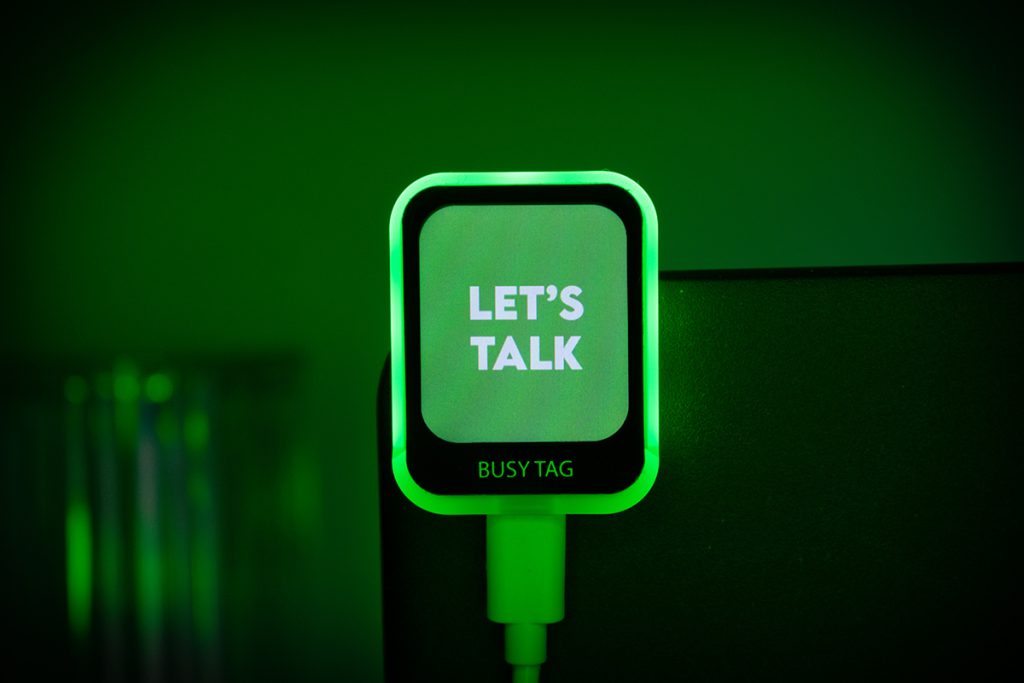
Busy Tag: Stay focused and avoid distractions
Tools to Support the 52/17 Time Management Technique
Optimizing time management techniques with digital tools enhances focus and efficiency. Pomodoro timer apps like Sunsama and Focus To-Do automate work-break cycles, ensuring structured productivity.
Browser extensions such as Selfocus block distracting websites, helping users maintain deep focus. Look for features like alerts, scheduling options, and distraction blocking to streamline workflow.
The 52/17 productivity method benefits from apps that sync across devices, track deep work sessions, and provide insights into work patterns. By integrating these tools, professionals can sustain concentration, minimize interruptions, and maximize productivity throughout the day.
Break Time Done Right: Activities That Recharge Your Brain
Boosting productivity with breaks starts with choosing activities that refresh the mind and body. Stretching improves circulation and relieves tension, while a quick walk boosts energy and creativity. Meditation calms the mind, enhancing focus for the next work session.
Engaging in quick chores, like tidying up or watering plants, provides a mental reset without draining cognitive resources. Staying off screens prevents digital fatigue—avoid passive scrolling and opt for mindful activities instead.
By incorporating purposeful breaks, professionals can maintain sustained focus, reduce stress, and optimize productivity throughout the day. Thoughtful pauses lead to long-term efficiency and well-being.
Common Pitfalls and How to Stay on Track
Skipping breaks and overworking can lead to burnout and reduced efficiency. Structured pauses help maintain focus and prevent cognitive fatigue.
Staying accountable is key—using habit trackers or engaging in peer support keeps deep work sessions consistent. Setting clear goals and tracking progress reinforces discipline.
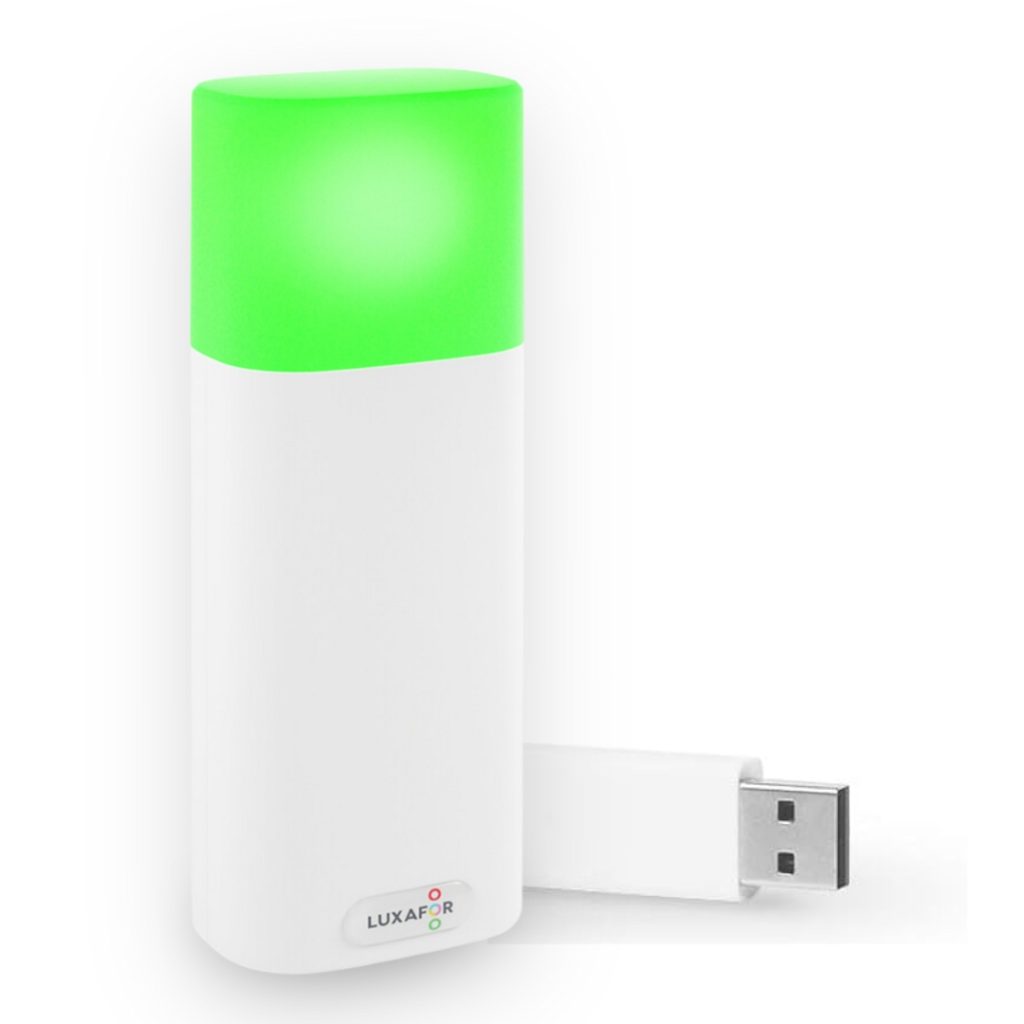
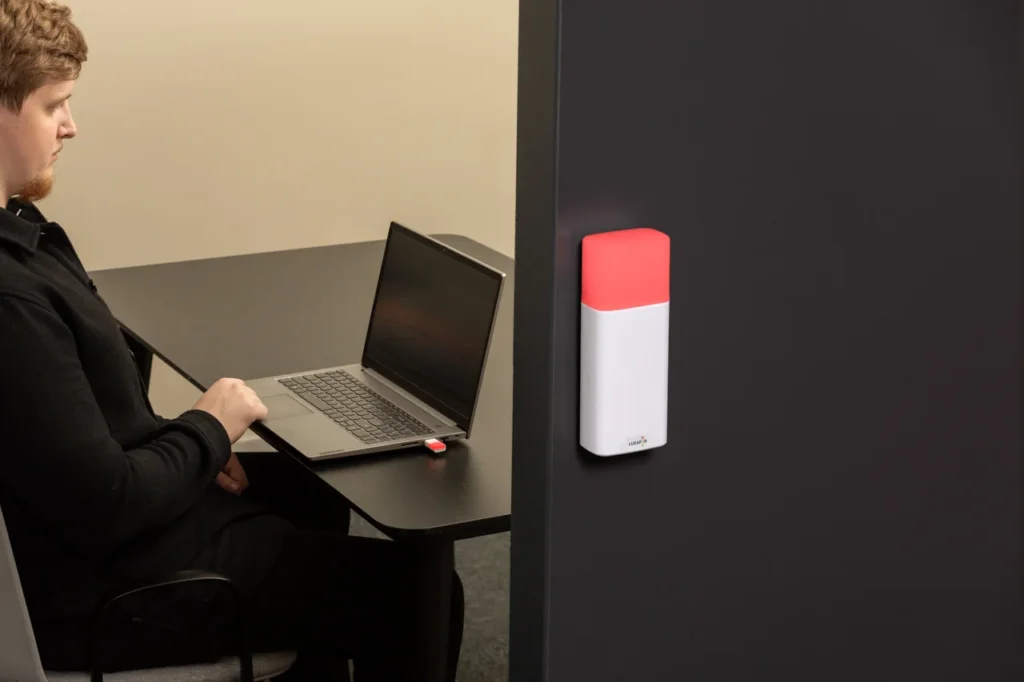
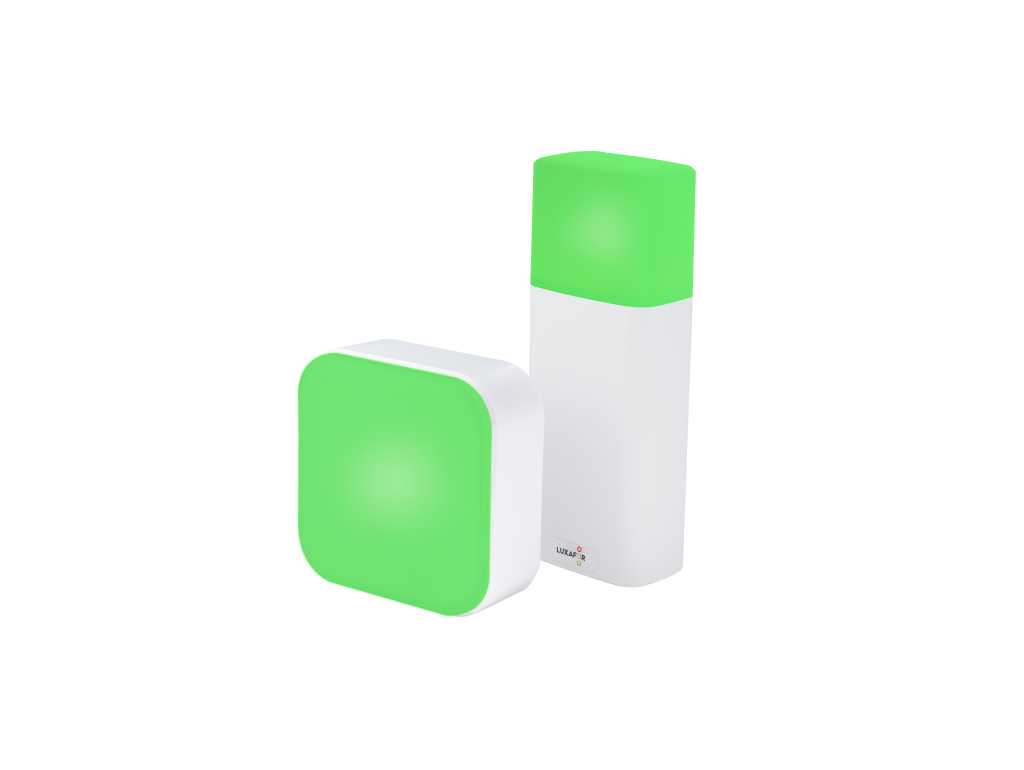
Interruptions disrupt concentration, but resetting the cycle is possible. Establishing focus signals, like Luxafor lights, and scheduling uninterrupted work blocks minimizes distractions. By recognizing pitfalls and implementing strategies, professionals can sustain productivity and achieve long-term success in deep work environments
Combining the 52/17 Rule with Other Time Management Methods
The 52/17 rule integrates seamlessly with time management techniques like task batching, time blocking, and the Eisenhower Matrix. By grouping similar tasks, professionals maximize efficiency within each 52-minute deep work session.
Time blocking ensures structured focus periods, while the Eisenhower Matrix helps prioritize urgent and important tasks. The 17-minute breaks provide an opportunity for shallow tasks like checking emails or organizing notes.
This combination enhances productivity by balancing intense focus with strategic recovery. By aligning the 52/17 method with proven techniques, professionals can optimize workflow, reduce distractions, and maintain long-term efficiency.
Is the 52/17 Rule Right for You? Assess and Adapt
Experimenting with the 52/17 productivity method over a week helps determine its effectiveness. Tracking focus levels and energy fluctuations provides insights into optimal work rhythms.
Adapting the ratio—such as 45/15 or 60/20—based on task complexity and personal workflow ensures flexibility. Some professionals may thrive with shorter focus periods, while others benefit from extended deep work sessions.
Listening to your body and energy levels is key. Adjusting work-break intervals to align with natural productivity cycles enhances efficiency and prevents burnout. By refining the approach, individuals can maximize focus and sustain long-term productivity.
Show your colleagues when you're busy!
Article author

Kaspars S.
Productivity tool developer, corporate leader, and technical director at Luxafor
The 52/17 Rule: Boosting Productivity with Structured Breaks


Busy Tag – Your Digital Canvas

Tags
Archives
- June 2026
- May 2026
- March 2026
- January 2026
- December 2025
- November 2025
- October 2025
- September 2025
- August 2025
- July 2025
- June 2025
- May 2025
- February 2025
- January 2025
- December 2024
- November 2024
- October 2024
- September 2024
- August 2024
- July 2024
- June 2024
- May 2024
- April 2024
- March 2024
- February 2024
- January 2024
- December 2023
- November 2023
- October 2023
- September 2023
- August 2023
- July 2023
- June 2023
- May 2023
- April 2023
- March 2023
- February 2023
- January 2023
- December 2022
- November 2022
- October 2022
- September 2022
- August 2022
- July 2022
- June 2022
- May 2022
- April 2022
- March 2022
- February 2022
- January 2022
- December 2021
- November 2021
- October 2021
- September 2021
- August 2021
- July 2021
- June 2021
- May 2021
- April 2021
- March 2021
- February 2021
- January 2021
- December 2020
- November 2020
- October 2020
- September 2020
- August 2020
- July 2020
- June 2020
- May 2020
- April 2020
- March 2020
- December 2019
- November 2019
- October 2019
- September 2019
- August 2019
- July 2019
- April 2019
- March 2019
- January 2019
- December 2018
- November 2018
- October 2018
- September 2018
- August 2018
- July 2018
- June 2018
- August 2017
- May 2017
- April 2017
- February 2017
- January 2017
- November 2016
- October 2016
- September 2016
- August 2016
- July 2016
- June 2016
- May 2016
- April 2016
- March 2016
- February 2016
- January 2016