
The Future of Office Space Utilization: How Workplaces Are Evolving
Hybrid work broke the old math of office planning. A floor that held 200 people five days a week now sits half-empty on Monday and runs out of meeting rooms by 10 a.m. on Wednesday. Most companies have a timing problem more than a space problem.
Office space utilization has become one of the key ways companies evaluate whether their workplace supports productivity, collaboration, and cost efficiency. Below: what is driving the shift, which tools help, and what you can improve in 30–90 days without a major budget.
Key Drivers Behind Workplace Evolution
The Rise of Hybrid and Remote Work Models
CBRE’s 2025 Americas Office Occupier Sentiment Survey found that 66% of organizations report average office utilization below 60%. The flip side: 73% say the office is effectively at capacity on peak days; only 34% say that about an average day.
Averages hide the problem: an office can look oversized on paper and still fail its people midweek. Office space utilization analysis shows which areas get heavy use, which sit empty, and how demand moves across the week before anyone signs off on a redesign or smaller lease.
Cost Optimization and Real Estate Efficiency
Rent, energy, cleaning, and maintenance sit among a company’s largest fixed costs. Desks nobody uses are paid-for waste; cutting space without data is a gamble that backfires on peak days. The goal is smaller and better:
- Shared desks instead of assigned seating
- Meeting rooms sized to real meeting patterns
- Higher-quality space instead of more square meters
- Occupancy data reviewed before downsizing
Employee Experience as a Core Business Metric
People come in for collaboration, meetings, social connection, and focused work away from home distractions. If a desk takes fifteen minutes to find and deep-work blocks keep getting interrupted, they stop coming.
The interruption load is heavy before anyone taps a shoulder: Microsoft’s Work Trend Index found the average worker receives 153 Teams messages per weekday, on top of 117 emails. An office that wants people back has to protect focus and make availability visible.
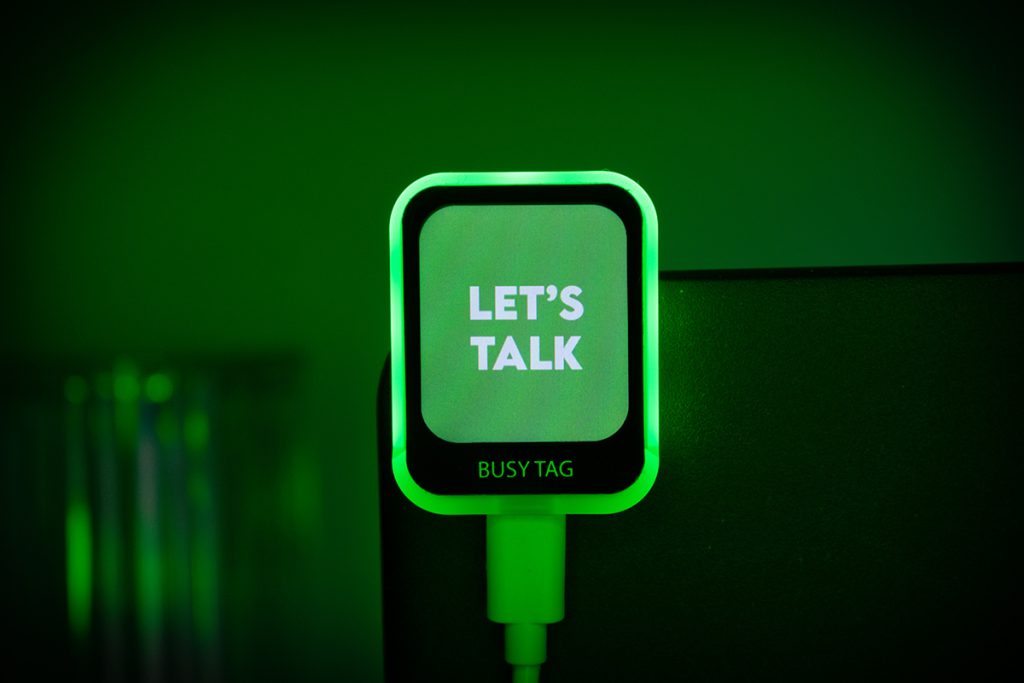
Say you're busy without saying it
How Technology Is Transforming Office Space Management
The best tech for office space utilization falls into four practical layers: measurement, booking, analytics, and visibility. None require gutting the office.
Occupancy Sensors and Real-Time Workplace Data
Occupancy sensors detect whether a desk, room, or phone booth is in use, through motion or presence detection, and report anonymous data. They reveal what is happening rather than what was booked: real-time occupancy, peak days, empty zones. An office space utilization system built on sensor data helps workplace teams move from assumptions to numbers.
Desk Booking Systems and Smart Scheduling Tools
Assigned seating is fading. CBRE reports only 25% of companies kept it in 2025, down from 56% in 2023, and JLL finds nearly 70% of companies have adopted seat sharing. Hot desking without support systems, though, creates frustration instead of flexibility.
Desk booking is one of the most practical office space utilization ideas for hybrid teams: employees reserve a desk before commuting, teams coordinate office days, double bookings disappear, and managers get demand data.
Workplace Analytics for Smarter Decision-Making
Analytics turn booking and occupancy data into patterns: which rooms get used most, which desks stay empty, how demand differs by day or department. Workplace teams use those patterns to add focus zones, split large rooms, or adjust hybrid policy so attendance spreads across the week.
The Role of Data in Optimizing Office Environments
Workplace data turns managers’ guesses into decisions:
| Workplace challenge | Common cause | What data shows | Possible improvement |
|---|---|---|---|
| Empty desks | Hybrid schedules, uneven attendance | Low desk occupancy on specific days | Shared seating plus desk booking |
| Overbooked meeting rooms | Ghost meetings and no-shows | Rooms reserved but unused | Room panels with check-in and auto-release |
| Confusing hot desking | No visibility into free desks | Gap between bookings and usage | Desk booking with live availability |
| Busy peak days | Everyone picks the same office days | Demand by day of week | Spread team days, plan layouts for peaks |
| Frequent interruptions | No clear availability signal | Employee feedback, lost focus time | Status lights and agreed signal norms |
| Lack of focus space | Office over-designed for collaboration | High demand for quiet zones | Add quiet areas and focus zones |
How Luxafor Supports Smarter Workplace Transformation
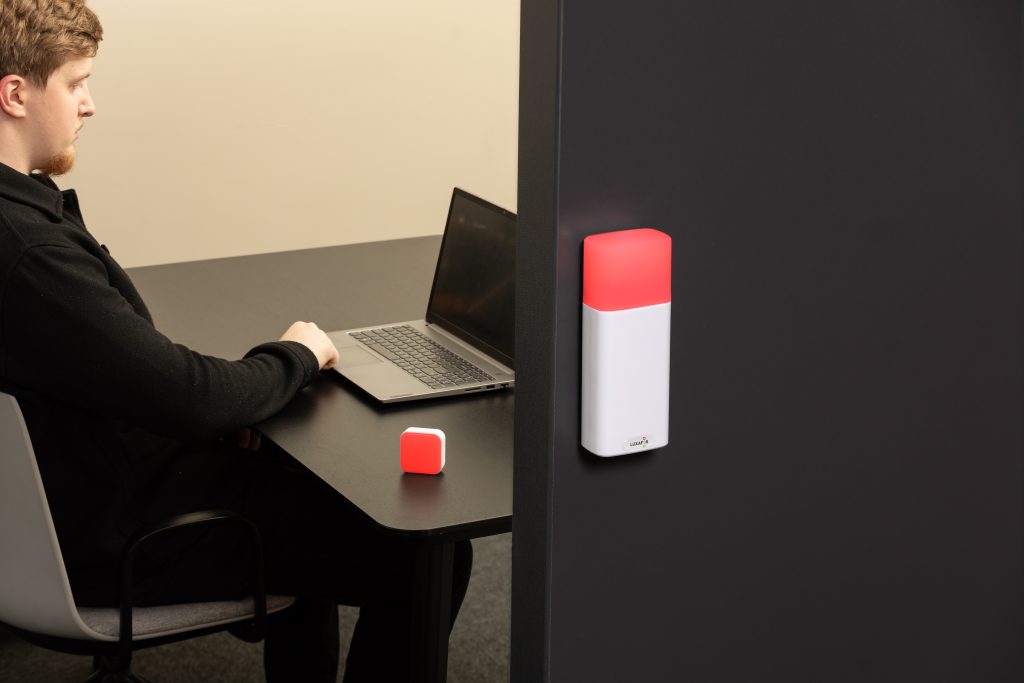
Sensors and analytics measure space, but they do nothing for the person in an open floor wondering whether a colleague can be interrupted. That missing visibility layer is where Luxafor fits into a broader office space utilization solution: occupancy tools show whether a space is in use, while status lights show whether a person is available.
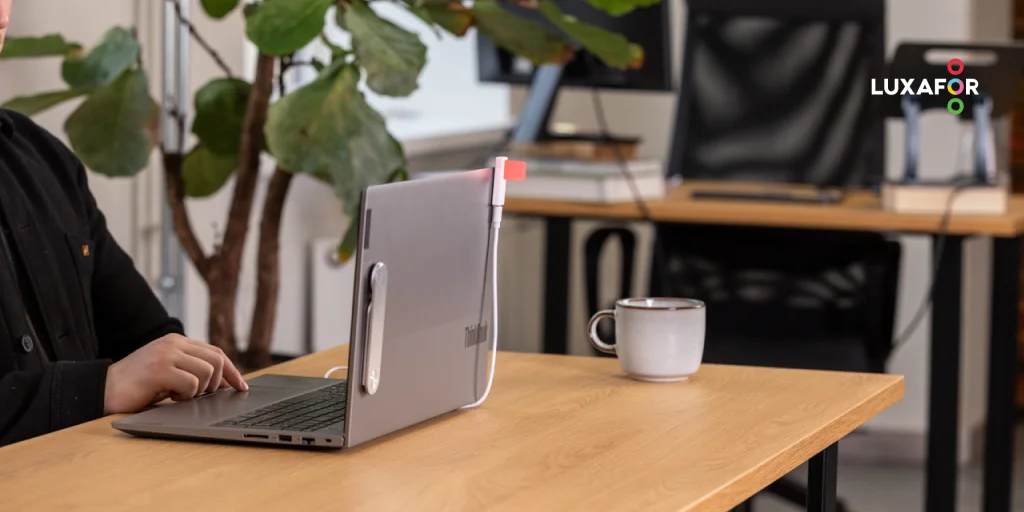
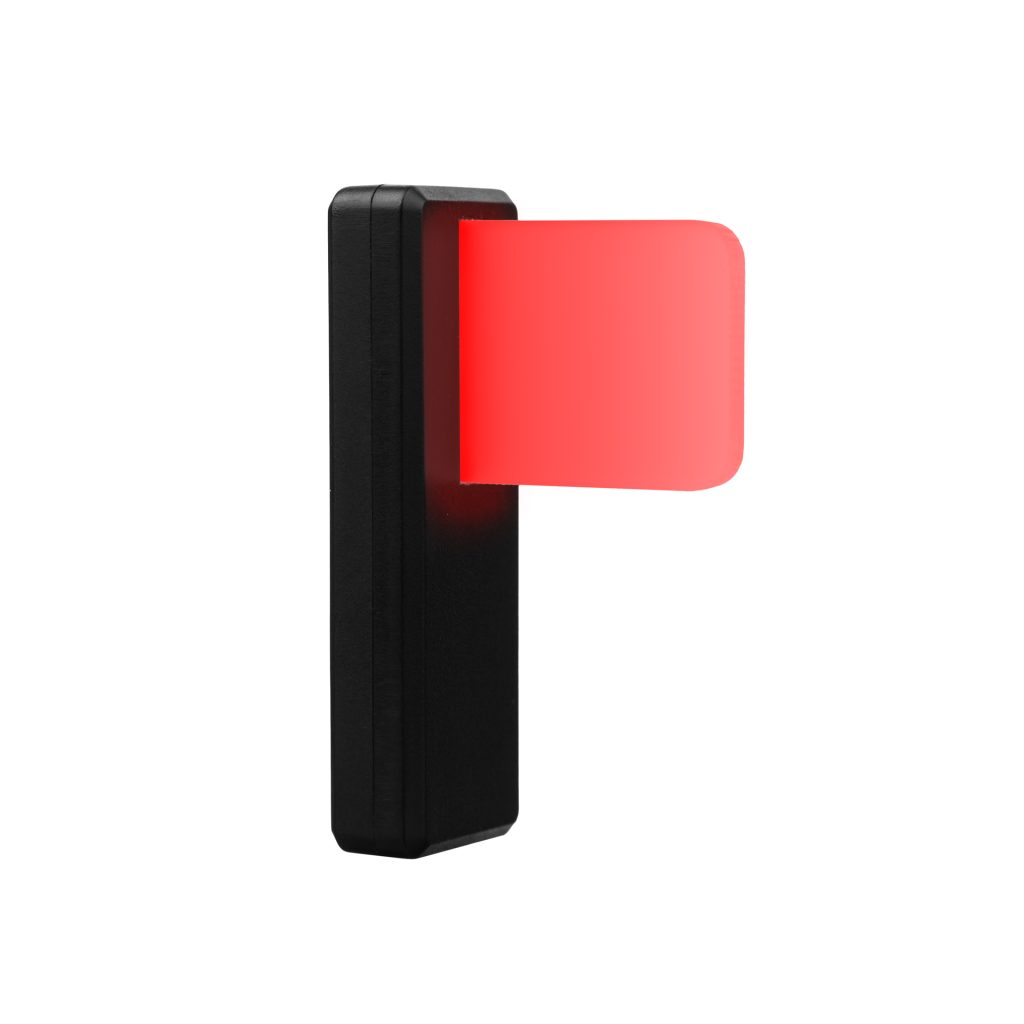
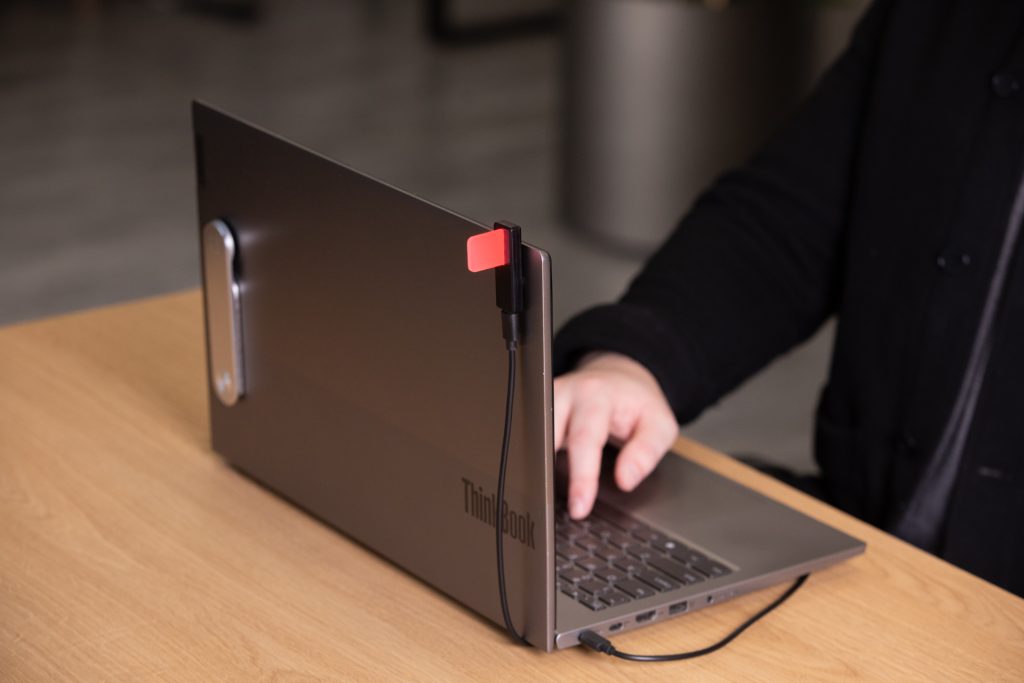
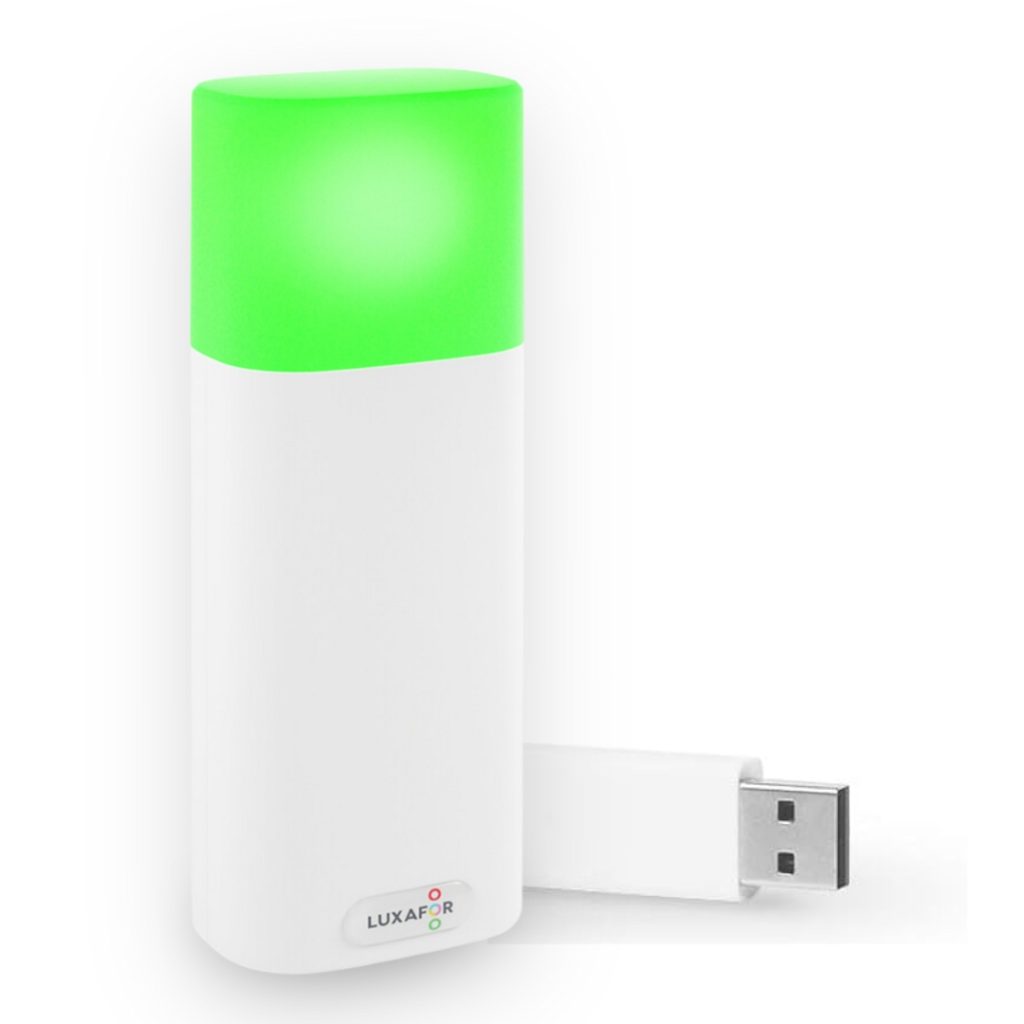
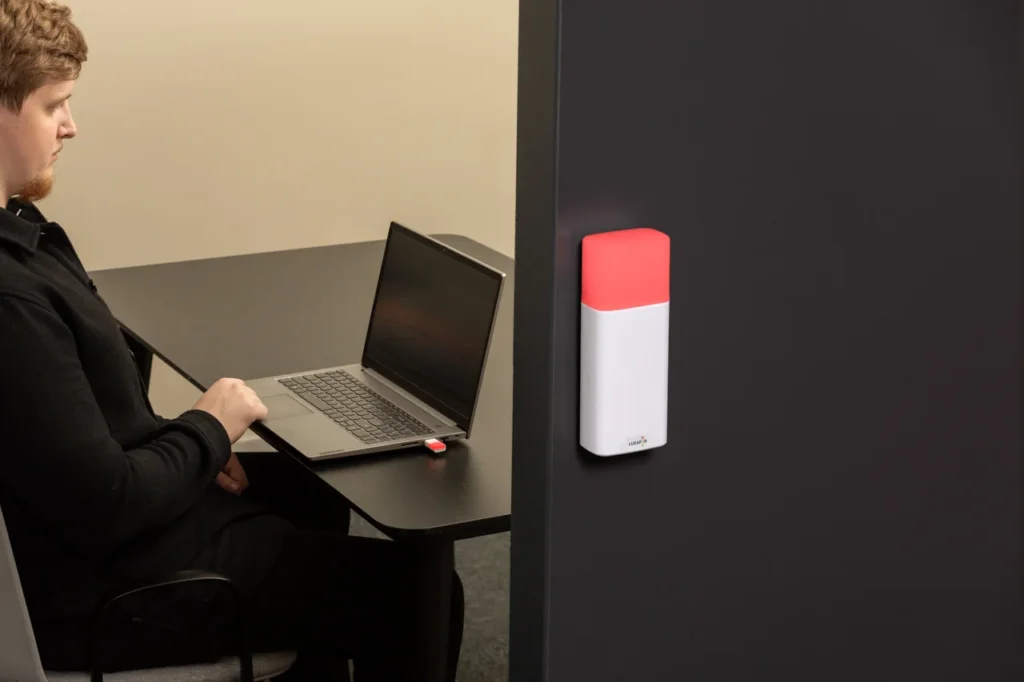
A Luxafor busy light mounts on a monitor or desk: red for focused or in a meeting, green for available. Synced with Microsoft Teams or a calendar, it updates itself — a do not disturb sign nobody has to remember to flip. Many employees avoid the office because at home, nobody walks up mid-task instead of messaging on Teams or Slack. Visible boundaries change that calculus.
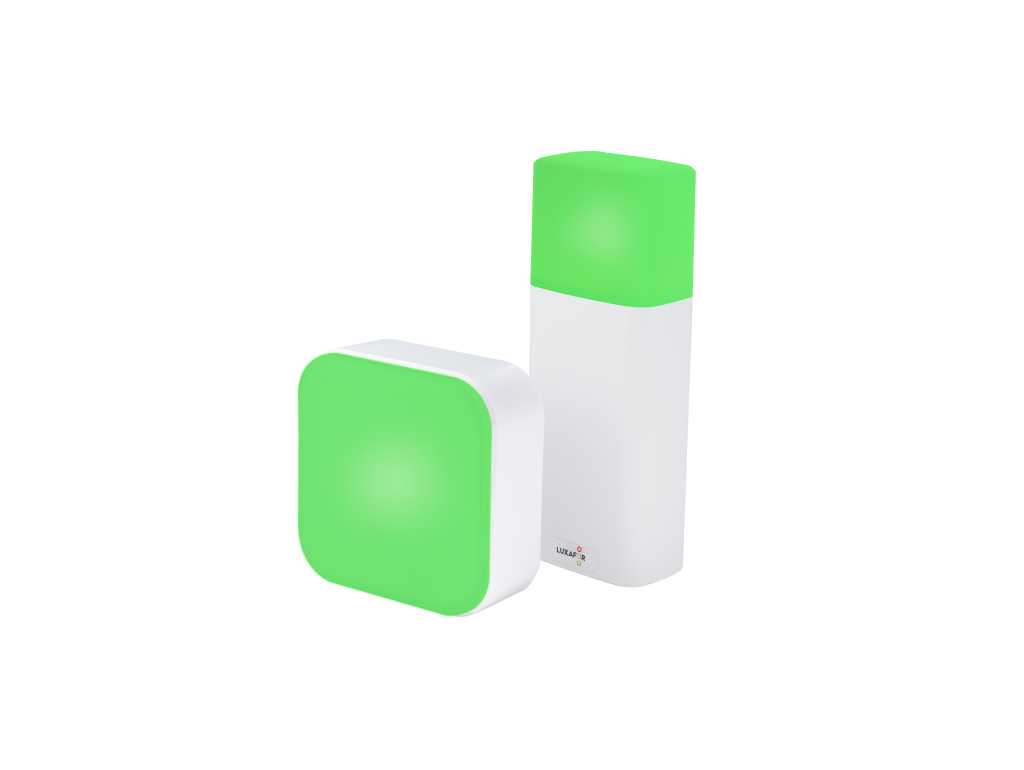
Where each product fits:
- Flag 2 — wired USB status light for desks; budget-friendly for team rollouts
- Switch Pro 2 — app-free wireless meeting room indicator; no IT approval needed
- Bluetooth Pro — wireless and battery-powered; one device for desk and meeting room
A busy light will not improve office space utilization on its own. The hardware makes availability visible; the gains arrive when the team agrees on what each color means and respects it.
Future Trends in Office Space Utilization
McKinsey’s vision of the future office describes a place that is purposeful, connection-focused, digitally enhanced, and more sustainable. In practice, the evolving workplace points toward:
- Flexible layouts that change as demand shifts
- Smaller but higher-quality offices that justify the commute
- Real-time monitoring and richer workplace data behind space decisions
- Employee experience as a planning input from the start
- Tighter integration between booking software, sensors, room panels, and status lights
- Offices designed around collaboration, focus, and purpose rather than fixed desks
The common thread: the office has to earn its place in the week.
Building a More Usable Office
Companies that want to improve office space utilization should not only measure how space is used. They should make the workplace easier to understand, navigate, and work in.
For visible progress in the next 30–90 days without a major budget:
- Compare average and peak attendance using calendar or badge data you already have
- Pilot desk booking with one team before a wider rollout
- Turn on meeting room check-in and auto-release to clear ghost bookings
- Run a busy-light pilot with one team, with color meanings agreed from day one
Explore Luxafor workplace productivity tools to support clearer communication, fewer interruptions, and smoother shared office experiences.
Frequently Asked Questions
Office space utilization means understanding how efficiently employees use desks, meeting rooms, and shared areas — and how well the office supports productivity, collaboration, and employee experience.
CBRE found 73% of organizations hit capacity on peak days while only 34% do on average days. Companies need data to cut wasted space without hurting busy days.
Hybrid work creates uneven demand: rows of empty desks on some days, a shortage of meeting rooms on others. Occupancy data, booking systems, and flexible layouts matter more than fixed seating charts.
Occupancy sensors, desk booking systems, workplace analytics, meeting room displays, and visual status indicators such as busy lights. Each covers a layer: measurement, scheduling, decision-making, and visibility.
Occupancy sensors detect whether a room, desk, or area is in use, most often through motion or presence detection, and report anonymous data that workplace teams use to improve layout, capacity, and scheduling decisions.
Article author

Kaspars S.
Productivity tool developer, corporate leader, and technical director at Luxafor
The Future of Office Space Utilization: How Workplaces Are Evolving
Busy Tag – Your Digital Canvas
Tags
Archives
- June 2026
- May 2026
- March 2026
- January 2026
- December 2025
- November 2025
- October 2025
- September 2025
- August 2025
- July 2025
- June 2025
- May 2025
- February 2025
- January 2025
- December 2024
- November 2024
- October 2024
- September 2024
- August 2024
- July 2024
- June 2024
- May 2024
- April 2024
- March 2024
- February 2024
- January 2024
- December 2023
- November 2023
- October 2023
- September 2023
- August 2023
- July 2023
- June 2023
- May 2023
- April 2023
- March 2023
- February 2023
- January 2023
- December 2022
- November 2022
- October 2022
- September 2022
- August 2022
- July 2022
- June 2022
- May 2022
- April 2022
- March 2022
- February 2022
- January 2022
- December 2021
- November 2021
- October 2021
- September 2021
- August 2021
- July 2021
- June 2021
- May 2021
- April 2021
- March 2021
- February 2021
- January 2021
- December 2020
- November 2020
- October 2020
- September 2020
- August 2020
- July 2020
- June 2020
- May 2020
- April 2020
- March 2020
- December 2019
- November 2019
- October 2019
- September 2019
- August 2019
- July 2019
- April 2019
- March 2019
- January 2019
- December 2018
- November 2018
- October 2018
- September 2018
- August 2018
- July 2018
- June 2018
- August 2017
- May 2017
- April 2017
- February 2017
- January 2017
- November 2016
- October 2016
- September 2016
- August 2016
- July 2016
- June 2016
- May 2016
- April 2016
- March 2016
- February 2016
- January 2016