
The Future of Office Management: Combining Smart Technology with Advanced Demand Planning Software

The demand for efficient and effective office management solutions has never been greater in today’s fast-paced business environment. As organizations strive to enhance productivity and streamline operations, integrating innovative technology with advanced demand planning software emerges as a game-changing strategy. This powerful combination promises to revolutionize office management and drive significant improvements in resource allocation, communication, and overall workplace efficiency.
The Evolution of Office Management
Office management has evolved significantly over the past few decades. Gone are the days when manual processes and paper-based systems dominated the workplace. Digital technology has transformed offices’ operations, making them more agile and efficient. Technology has paved the way for a more organized and productive work environment, from automated scheduling systems to digital communication tools.
However, as technology advances, so do the challenges of managing a modern office. One of the most pressing issues is ensuring that resources are allocated efficiently and tasks are prioritized effectively. This is where innovative technology and solutions like IT asset management software come into play, offering creative tools to streamline the tracking and allocation of workplace assets. Demand planning software also comes into play, offering creative solutions to address these challenges.

Smart Technology in the Workplace
Innovative technology refers to devices and systems that use artificial intelligence, machine learning, and data analytics to perform tasks and make decisions. In the context of office management, innovative technology can take various forms, including:
Smart Lighting and Climate Control: These systems adjust lighting and temperature based on occupancy and preferences, creating a comfortable and energy-efficient work environment. By sensing the presence of individuals in a room, these systems can reduce energy consumption when spaces are unoccupied, leading to significant cost savings over time. Additionally, personalized climate settings enhance employee comfort, potentially boosting morale and productivity.
Digital Assistants: Virtual assistants like Siri, Alexa, and Google Assistant help manage schedules, set reminders, and answer queries, freeing time for more critical tasks. These digital assistants can also integrate with other office systems, allowing seamless control of functions such as booking meeting rooms, setting up video conferences, and managing task lists. The convenience and efficiency provided by digital assistants can streamline daily operations and reduce administrative burdens.

Brilliant Desks and Furniture: Adjustable desks and ergonomic furniture with sensors can improve employee well-being and productivity. These innovative furniture solutions can track and analyze usage patterns, providing insights into how office spaces are utilized and suggesting adjustments to enhance comfort and efficiency. For example, desks that remind employees to stand or take breaks can promote healthier work habits, reducing the risk of repetitive strain injuries and enhancing overall job satisfaction.
Beyond these specific applications, smart technology in the workplace extends to other innovative solutions that contribute to a more integrated and responsive office environment. For instance, intelligent meeting rooms equipped with sensors and automation tools can streamline organizing and conducting meetings. These rooms can automatically adjust lighting, temperature, and audiovisual settings based on the type of meeting and number of participants, ensuring an optimal environment for collaboration.
The Role of Advanced Demand Planning Software
While intelligent technology addresses many aspects of office management, the integration of advanced demand planning software truly takes workplace efficiency to the next level. Demand planning software helps organizations forecast and manage their resource needs, ensuring that the right resources are available at the right time.
Demand planning software uses historical data, market trends, and predictive analytics to create accurate forecasts for resource requirements. This includes everything from staffing levels and inventory management to meeting room availability and equipment needs. By providing a clear picture of future demand, this software enables organizations to plan more effectively and avoid common pitfalls such as overstaffing or understocking. It can also work alongside lease accounting software to manage leased office assets more effectively—such as rented equipment or office space—by aligning lease obligations with anticipated usage and demand. This integration helps ensure compliance with lease terms, avoid unnecessary expenses, and enhance financial planning.
One key benefit of demand planning software is its ability to improve decision-making. With real-time data and analytics at their fingertips, office managers can make informed decisions about resource allocation and prioritize tasks based on actual demand. This leads to better resource utilization, reduced waste, and increased productivity.
Additionally, incorporating white label marketing services can further optimize resource management by enabling businesses to offer comprehensive marketing solutions without the need for in-house development, enhancing overall service efficiency

Advanced demand planning software also enhances flexibility and responsiveness within an organization. In a dynamic business environment, quickly adapting to changing conditions is crucial. Demand planning software allows companies to respond swiftly to fluctuations in demand, whether it’s a sudden increase in workload or an unexpected drop in resource requirements. By adjusting plans in real-time, organizations can maintain operational efficiency and avoid disruptions.
Another significant advantage of demand planning software is its capacity to integrate with other business systems. Modern demand planning tools can seamlessly connect with ERP (Enterprise Resource Planning) systems, CRM (Customer Relationship Management) platforms, and supply chain management solutions. This integration ensures data flows smoothly across different departments, fostering collaboration and enhancing overall efficiency. For instance, when sales data from the CRM system indicates an upcoming surge in orders, the demand planning software can immediately adjust staffing levels and inventory requirements to meet this increased demand. Read more information about this topic.

Integrating Smart Technology and Demand Planning Software
Innovative technology and demand planning software’s potential is realized when integrated into a cohesive office management system. This integration creates a seamless workflow that enhances efficiency and productivity.
For example, imagine an intelligent office with sensors monitoring employee presence and activity levels. This data can be fed into the demand planning software, which then adjusts project staffing levels and resource allocation in real time based on actual usage patterns. Additional staff can be scheduled if the office is busier than usual, and meeting rooms can be reallocated to accommodate the increased demand.
Similarly, bright lighting and climate control systems can be integrated with demand planning software to optimize energy usage based on occupancy forecasts. This reduces energy costs and ensures a comfortable work environment for employees.
The integration of these technologies also improves communication and collaboration within the office. Digital assistants can schedule meetings and manage tasks, while demand planning software ensures that resources are available when needed. This creates a more organized and efficient work environment where employees can focus on their core responsibilities without worrying about administrative tasks.
Conclusion
The future of office management lies in the seamless integration of intelligent technology and advanced demand planning software. Organizations can create a more efficient, productive, and enjoyable work environment by combining these innovative solutions. Smart technology enhances the physical workspace, while demand planning software ensures that resources are allocated effectively and tasks are prioritized based on actual demand.
As technology continues to evolve, the possibilities for improving office management are limitless. Organizations that embrace these advancements will be well-positioned to thrive in the competitive business landscape of the future. By investing in innovative technology and demand planning software, businesses can unlock new levels of efficiency and productivity, ultimately leading to tremendous success and growth.
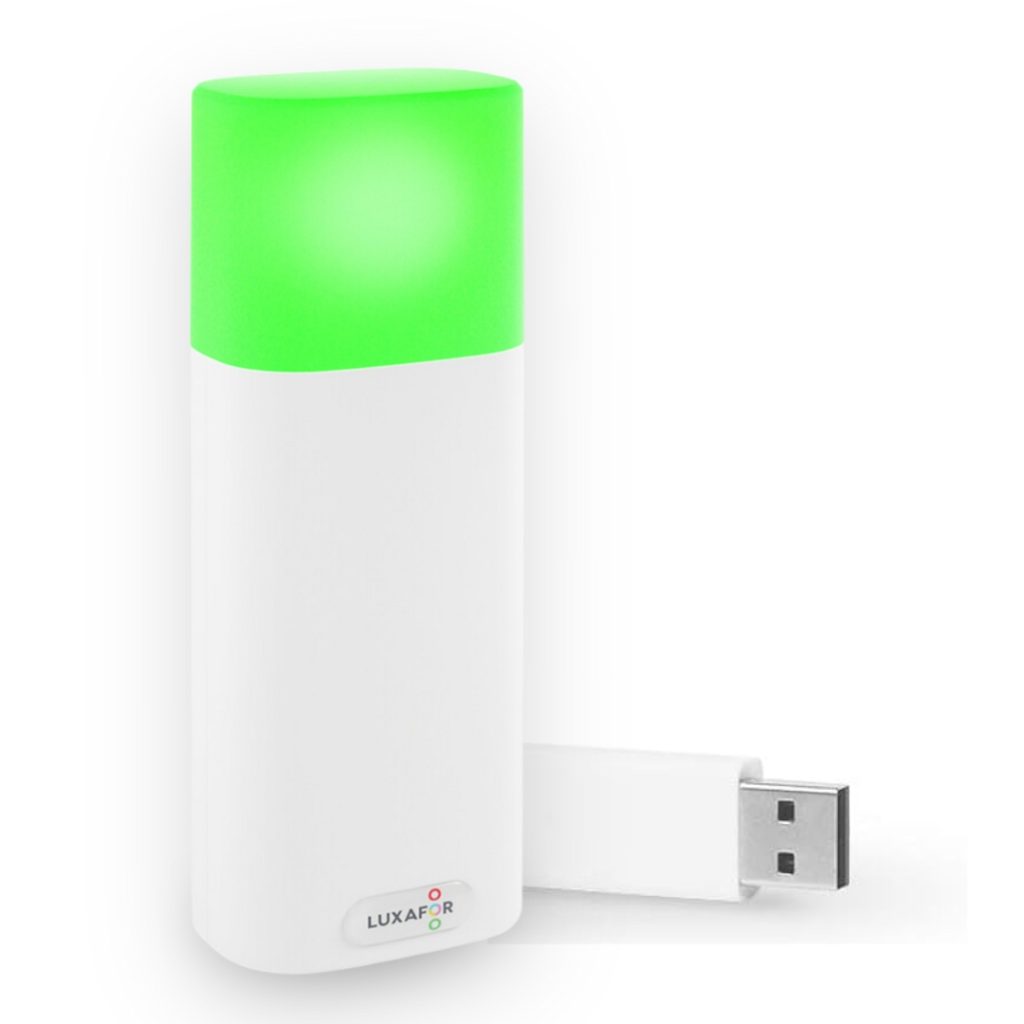
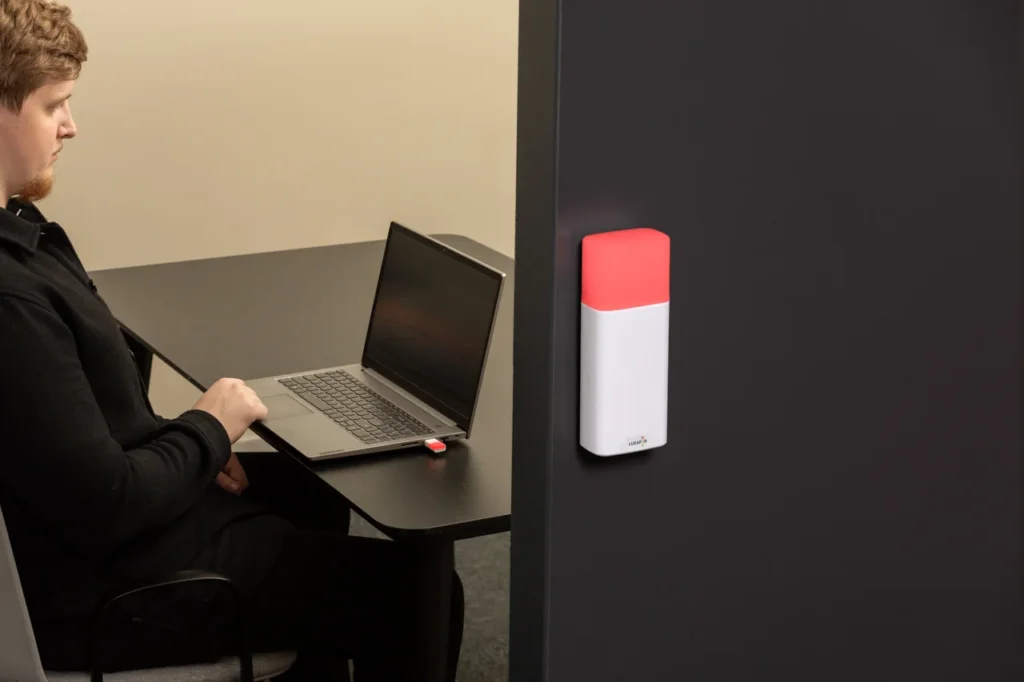
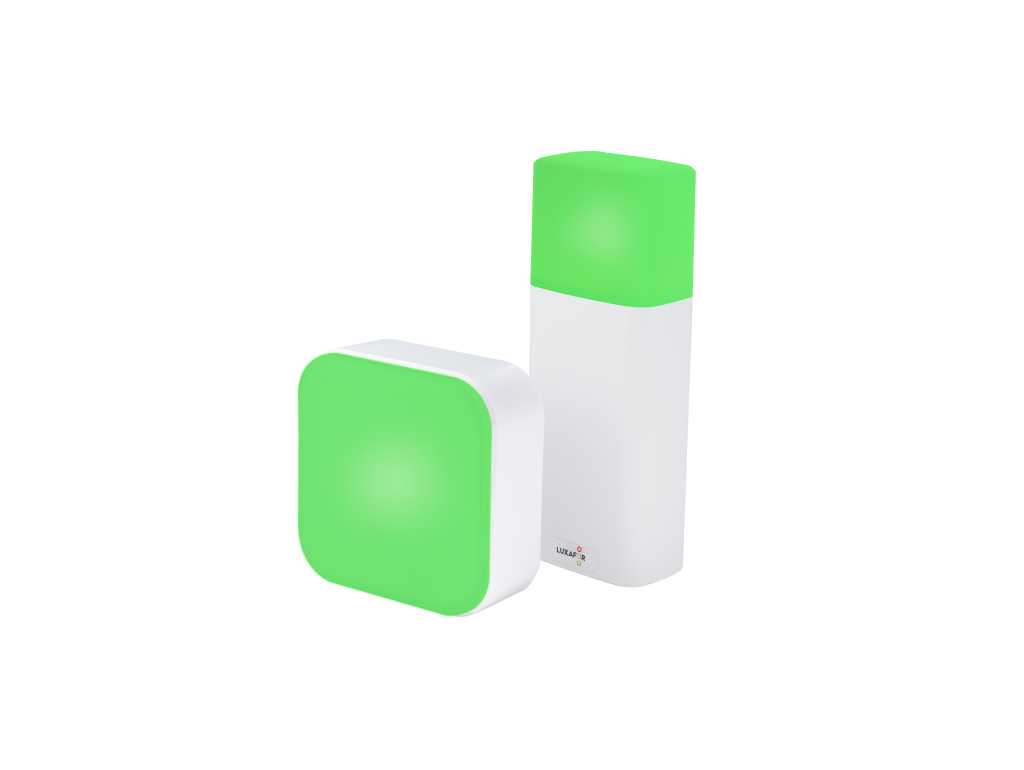
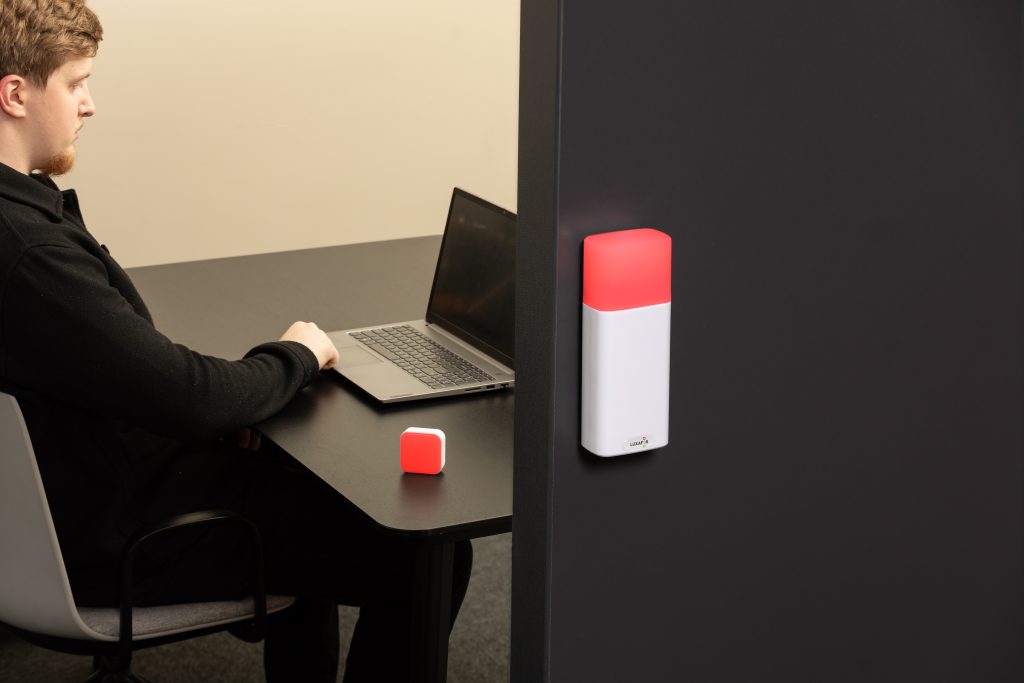
Luxafor is an expert and a frontrunner in the productivity gadget space for more than 10 years in the market offering a wide variety of tools designed to enhance focus, improve communication, and streamline workflows in both personal and professional settings.
The Future of Office Management: Combining Smart Technology with Advanced Demand Planning Software
Busy Tag – Your Digital Canvas
Tags
Archives
- June 2026
- May 2026
- March 2026
- January 2026
- December 2025
- November 2025
- October 2025
- September 2025
- August 2025
- July 2025
- June 2025
- May 2025
- February 2025
- January 2025
- December 2024
- November 2024
- October 2024
- September 2024
- August 2024
- July 2024
- June 2024
- May 2024
- April 2024
- March 2024
- February 2024
- January 2024
- December 2023
- November 2023
- October 2023
- September 2023
- August 2023
- July 2023
- June 2023
- May 2023
- April 2023
- March 2023
- February 2023
- January 2023
- December 2022
- November 2022
- October 2022
- September 2022
- August 2022
- July 2022
- June 2022
- May 2022
- April 2022
- March 2022
- February 2022
- January 2022
- December 2021
- November 2021
- October 2021
- September 2021
- August 2021
- July 2021
- June 2021
- May 2021
- April 2021
- March 2021
- February 2021
- January 2021
- December 2020
- November 2020
- October 2020
- September 2020
- August 2020
- July 2020
- June 2020
- May 2020
- April 2020
- March 2020
- December 2019
- November 2019
- October 2019
- September 2019
- August 2019
- July 2019
- April 2019
- March 2019
- January 2019
- December 2018
- November 2018
- October 2018
- September 2018
- August 2018
- July 2018
- June 2018
- August 2017
- May 2017
- April 2017
- February 2017
- January 2017
- November 2016
- October 2016
- September 2016
- August 2016
- July 2016
- June 2016
- May 2016
- April 2016
- March 2016
- February 2016
- January 2016