Effective Strategies to Stay Productive in a Digital World

In today’s digital world, which is plagued with distractions and information overload, it’s a constant challenge to stay productive. But that doesn’t mean technology has to be the thing running you, rather, you can use technology to its best advantage without the clogs of productivity loss.
This article outlines key techniques entrepreneurs, startups, and tech-savvy business people can use to optimize their time, focus, and output in an increasingly digital landscape over the next few years.
The Risks and Rewards of the Digital Age
It’s no secret that the digital revolution has added incredible scope and equally unique pressure on what it takes to do our work and get things done. On one hand, technology has allowed for unprecedented flexibility, and you can work from anywhere at any time. It’s also given us tools to make complex things simple, automate routine work, and collaborate with teams and time zones.
However, many features of the digital age actively impair productivity. The average office worker is interrupted every 3 minutes by digital notifications, emails or messaging apps. This constant bombardment can be especially distracting when trying to manage social media accounts; using an Instagram engagement rate calculator can help streamline that process, focusing on key metrics while reducing unnecessary distractions.
Additionally, researchers have revealed that multi-tasking is a myth – people cannot actually focus on more than one cognitively demanding task at a time. What we call multi-tasking is really rapid task-switching, which leads to more stress, mistakes and shallower thinking.
During 2025, we will be even more immersed in technology. Successful professionals and businesses will need strategies and systems to utilize the digital world for its convenience while mitigating its tendency to overwhelm our capacities.
Mastering Focus, Energy and Time Management
In the digital age, the most important skill to cultivate is centered around managing focus, energy, and efficient use of time. Without these, it’s almost impossible to sustain unbroken periods of productive output.
Attention management techniques are critical to improve one’s ability to resist distractions, stay focused on cognitively demanding work and go into a state of intense flow. Through mindfulness training, setting boundaries with notifications/messaging, task batching, and purposefully structuring deep work sessions, it’s possible to upgrade focus radically.
Like a muscle, attention and energy levels need to be purposefully managed and recovered. Ultradian rhythms research reveals people’s energy naturally fluctuates every 90 to 120 minutes—we cannot sustain peak energy indefinitely. By aligning the most challenging work with periods of highest energy, taking regular breaks and implementing recovery rituals, productivity can be significantly enhanced.
With so many access points to our attention from work and personal devices and so much content a click away, it’s critical to be diligent about time management to be focused. This is a case of the Pareto principle – 80% of outcomes often come from 20% of activities. By identifying and consistently investing time into the 20% high-impact activities unique to each individual while automating or outsourcing low-value work, outsized results are possible.
Harnessing the Power of Technology to Stay Productive
When harnessed effectively, modern technology can tenfold the productivity of individuals and teams. The key is being intentional about which tools are used for what purpose.
For communication and collaboration, tools like Slack, Microsoft Teams and Asana reduce the need for excessive meetings while enabling transparency across stakeholders. Video conferencing through Zoom or Google Meet also saves travel time while allowing personalized interaction.
For storing knowledge and staying organized, Evernote, Notion, Dropbox Paper and OneNote empower teams to communicate context across projects so insights are not lost. They also give individuals a “second brain” to offload information, freeing up mental RAM.
For automating repetitive tasks, Zapier, IFTTT and Microsoft Power Automate integrate with thousands of apps to sync data, trigger actions and operate without ongoing manual intervention. This saves tremendous time, which can be reinvested into high-impact activities.
Finally, digital assistants like Siri, Alexa and Google Assistant are getting exponentially better at simplifying menial personal tasks like setting reminders, controlling smart home devices, answering questions and much more. As artificial intelligence continues improving, delegating micro-tasks to algorithms will become even easier over the next few years.
Cultivating Positive Digital Habits and Behaviors
Technology has great potential, but without structure and positive habits governing its use, most people fall into distraction and fragmented attention. Consciously cultivating positive habits around technology is vital to prevent this.
One powerful tactic is to use tools like Freedom, Cold Turkey, and StayFocusd to set time constraints around distracting apps and websites. This “digital fences” approach partitions work and leisure so activities don’t overlap.
Scheduling all digital communication and collaboration during specific periods of the day (e.g., 2 pm-4 pm daily) rather than having them interrupt you all day also works well. This creates space for deeper individual thinking work in the mornings and evenings.
Finally, strictly disconnecting from all screens for periods ensures your brain gets a break from information overload. Whether it’s an evening, weekend or multi-day digital detox trip, letting your subconscious ponder challenges without constant stimulation unlocks creativity.
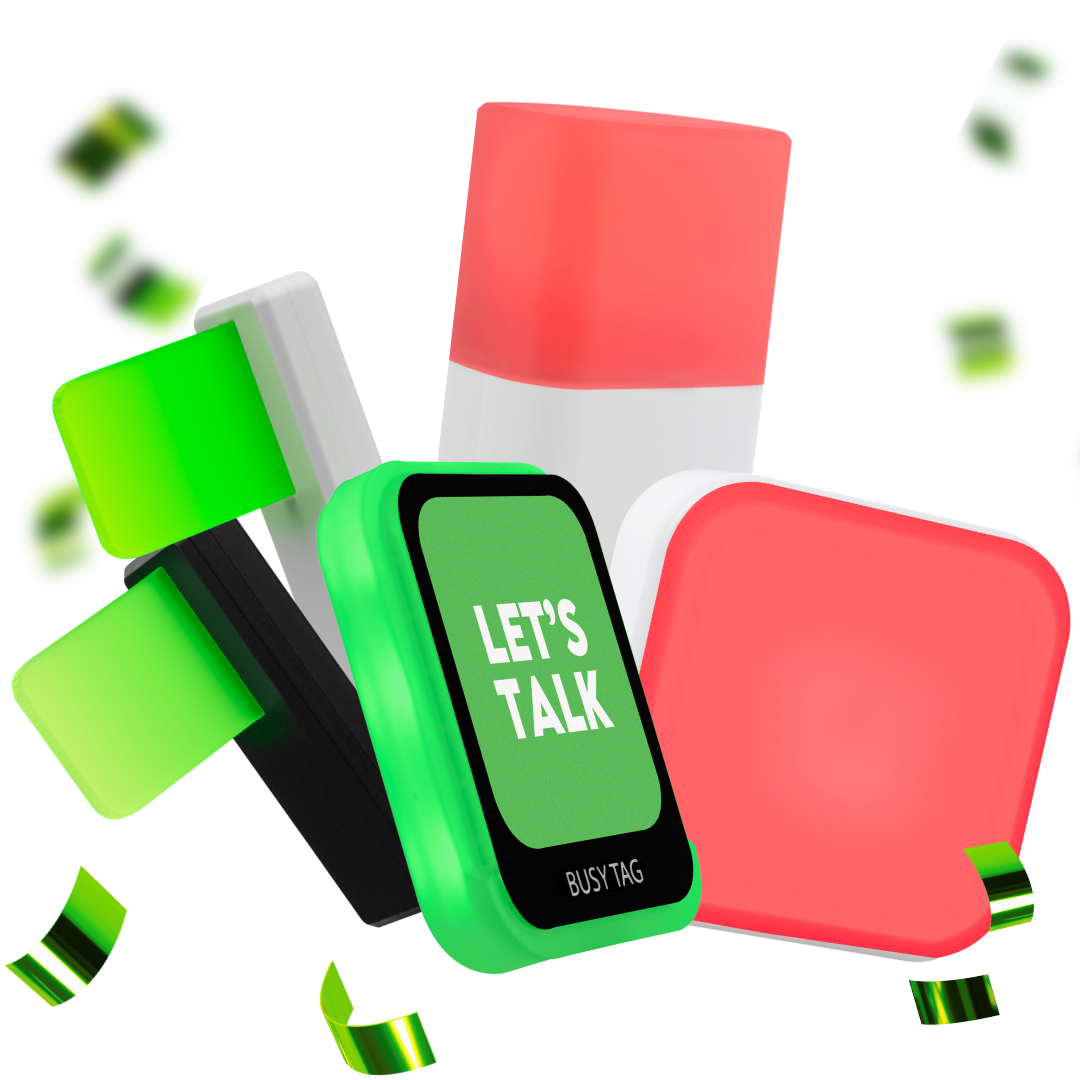
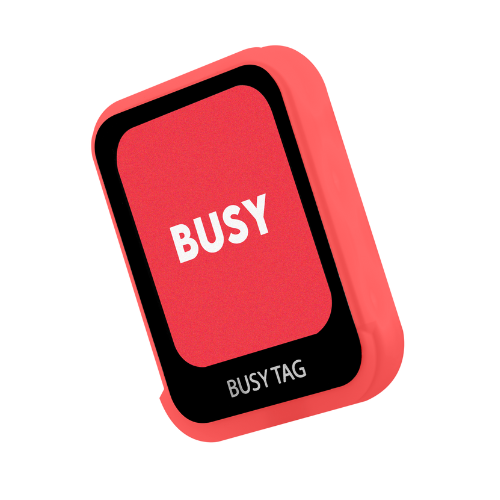
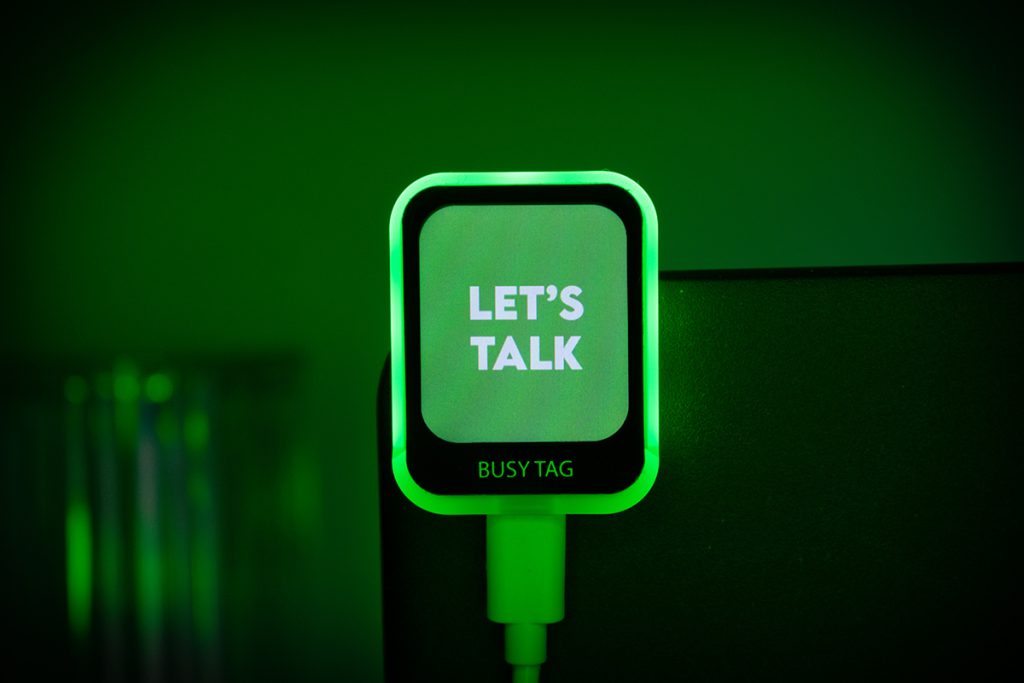
Busy Tag: Stay focused and avoid distractions
The 80/20 Approach to Mastering Productivity
For those seeking efficiency, the Pareto principle is an essential mental model asserting that 80% of outputs result from 20% of inputs. This applies to everything from customer sales to quality time with loved ones. In the context of mastering productivity amidst digital distraction, honing in on the 20% of skills, habits and strategies that drive the majority of positive outcomes is crucial:
- 20% of people cause 80% of distractions – manage boundaries with time vampires
- 20% of tasks create 80% of stress – automate low-skill work
- 20% of apps/sites drive 80% of procrastination – install focus tools
- 20% of working hours are in a peak flow state – structure deep work sessions
- 20% of effort produces 80% of results – rigorously prioritize
Ruthlessly focusing on the 20% that matters goes against our natural tendency to switch between tasks or entertain distractions aimlessly. However, building awareness of the 80/20 principle combined with the digital management strategies outlined equips you to thrive with enhanced productivity.
Actionable Tactics to Implement Now
Mastering productivity in the digital age requires aligning tools, habits and mindsets to augment human capacities rather than become overwhelmed. To avoid getting stuck in analysis paralysis, here are 3 pragmatic steps to implement today:
- Install website/app blockers: This will immediately reduce distractions by restricting access to your most frequent procrastination sites and apps during work hours. You will then gain at least two hours per day.
- Create a daily deep work session: Carve out a 60-90-minute period each morning without meetings or messages to focus intently on your highest-leverage activity. Over time, aim for 4 hours daily.
- Set evening device curfew: To give your brain space to recharge, stop using all screens 1-2 hours before bedtime. Read a physical book instead to relax. You’ll sleep better and wake up more focused.
By taking these basic steps, you tap into the fundamentals of staying productive in a digitally immersed world – managing distractions, optimizing focus and recovery. Build from here with advanced efficiency strategies centered around your unique work style and environment.
The Future of Productivity Tech
As much as technology today presents focus and overload challenges, innovations on the horizon will actually enhance human productivity immensely while mitigating distractions.
AI productivity assistants like Clara, Alex and Otter are being trained on billions of human conversations and interactions to act as executive assistants that handle research, meeting scheduling, travel arrangements and more with extreme precision. As the underlying algorithms improve, they will drastically reduce administrative workload over the next decade.
AR/VR tools are also being primed to change fields like design, engineering and architecture, where 3D modeling and simulation are needed. In contrast with the endless poring over 2D specs and building endless prototypes, next-gen headsets will allow teams to iterate at the speed of thought in shared virtual workspaces. It enables this rapid iteration and collaboration, resulting in faster, superior designs.
Even early-stage neurotech startups are building brain-reading devices and augmentation implants to increase memory, focus and learning capacity. While still years away from mainstream adoption, biohacking creativity and intelligence for extreme productivity may move from science fiction to reality sooner than we expect.
The common theme here is that future generations of technology, especially those powered by AI, will handle an ever-increasing proportion of repetitive tasks while empowering humans to operate at their highest and best use - creative thinking, relationship building, and high-order cognition. The long-term productivity upside for this is monumental, but this transition requires effective digital management strategies today to avoid distraction overload.
Conclusion
The foundation of staying productive in a digitally immersed world is mastering focus, energy and efficient use of time. Putting together positive habits for technology use with tools that automate low value work enables individuals and teams to achieve higher productivity. By narrowing in on the 20% of strategies, tasks and technologies that drive 80% of positive outcomes, entrepreneurs and startups build a significant competitive advantage while achieving personal peak performance.
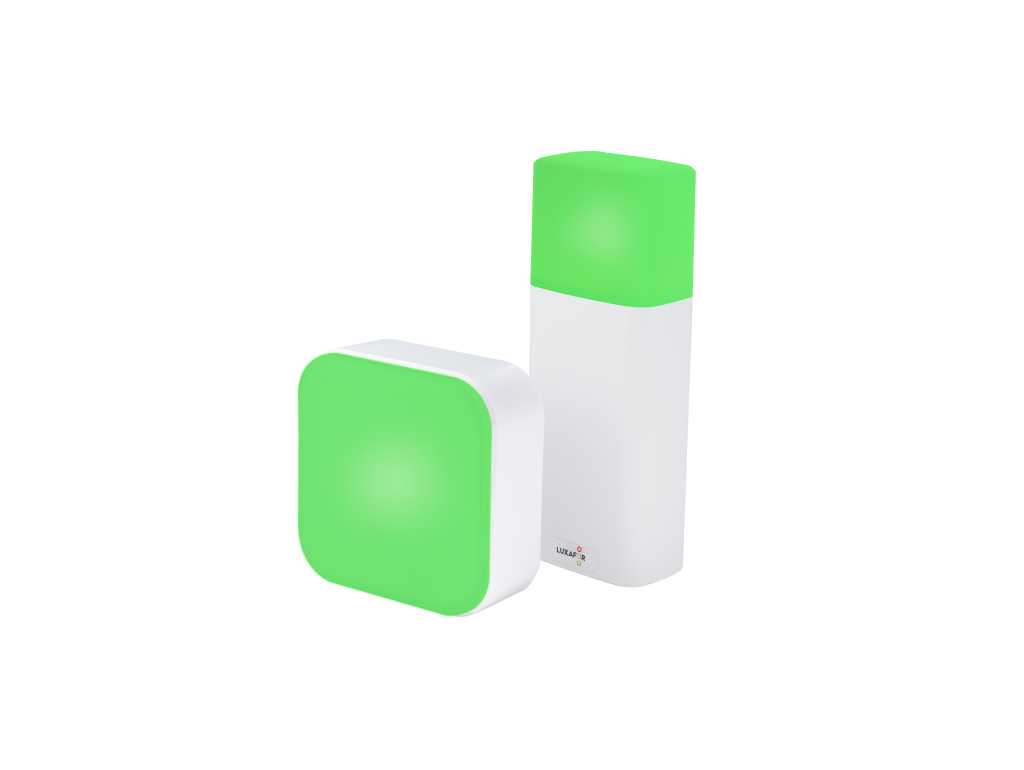
LUXAFOR HELPS PEOPLE TO ACHIEVE THEIR GREATEST PRODUCTIVITY LEVELS WITH A WIDE VARIETY OF OFFICE PRODUCTS. LET’S BE PRODUCTIVE TOGETHER!
Show your colleagues when you're busy!
Effective Strategies to Stay Productive in a Digital World





Recent Posts
- The Ultimate Guide to Managing Business Email and Deep Focus Time
- Manufacturing SEO Consultant Tips to Maximize Sales Productivity
- Future of Remote Work: Why Visual Availability Signals Can Reduce Meeting Overload
- Managing “Do Not Disturb” Culture in Open Offices and Remote Teams with Visual Status Lights
Tags
Archives
- January 2026
- December 2025
- November 2025
- October 2025
- September 2025
- August 2025
- July 2025
- June 2025
- May 2025
- February 2025
- January 2025
- December 2024
- November 2024
- October 2024
- September 2024
- August 2024
- July 2024
- June 2024
- May 2024
- April 2024
- March 2024
- February 2024
- January 2024
- December 2023
- November 2023
- October 2023
- September 2023
- August 2023
- July 2023
- June 2023
- May 2023
- April 2023
- March 2023
- February 2023
- January 2023
- December 2022
- November 2022
- October 2022
- September 2022
- August 2022
- July 2022
- June 2022
- May 2022
- April 2022
- March 2022
- February 2022
- January 2022
- December 2021
- November 2021
- October 2021
- September 2021
- August 2021
- July 2021
- June 2021
- May 2021
- April 2021
- March 2021
- February 2021
- January 2021
- December 2020
- November 2020
- October 2020
- September 2020
- August 2020
- July 2020
- June 2020
- May 2020
- April 2020
- March 2020
- December 2019
- November 2019
- October 2019
- September 2019
- August 2019
- July 2019
- April 2019
- March 2019
- January 2019
- December 2018
- November 2018
- October 2018
- September 2018
- August 2018
- July 2018
- June 2018
- August 2017
- May 2017
- April 2017
- February 2017
- January 2017
- November 2016
- October 2016
- September 2016
- August 2016
- July 2016
- June 2016
- May 2016
- April 2016
- March 2016
- February 2016
- January 2016